How Professional Pest Control Protects Your Family’s Health
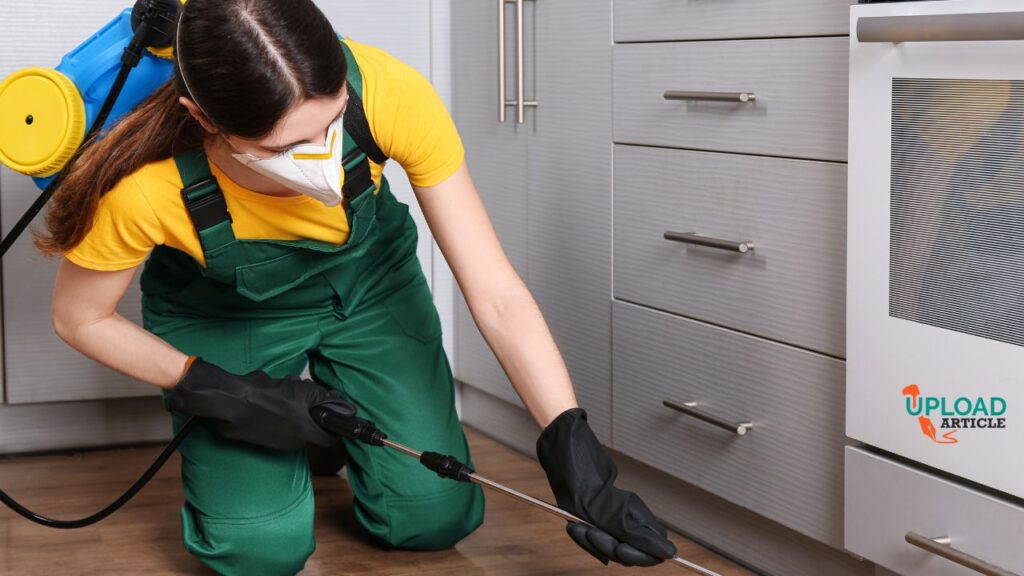
Pests are more than an annoyance. They can affect the air you breathe, the food you eat, the surfaces you touch, and the comfort of your home. A few ants, mice, roaches, or mosquitoes may not seem serious at first, but pests often bring hidden risks with them.
Professional pest control helps protect your family by finding the source of the problem, treating it correctly, and reducing the chance of it coming back. It is not just about killing visible pests. It is about making your home cleaner, safer, and harder for pests to enter.
Why Pest Control Matters for Family Health
Most people call a pest control company when they see insects or rodents. That makes sense. But the real concern is often what pests leave behind. Droppings, urine, shed skin, saliva, nesting material, and bacteria can spread through living areas before you notice a larger problem.
When searching for an Exterminator Mount Vernon, NY homeowners are often looking for more than just pest removal. They want to protect kitchens, bedrooms, basements, and other frequently used areas from contamination, property damage, and recurring pest activity. Professional pest control services help create a cleaner, healthier, and safer environment while reducing the risk of future infestations.
Children, older adults, people with allergies, and anyone with breathing issues may feel pest problems more quickly. Roaches, rodents, dust, dampness, and strong pest sprays can all make indoor conditions worse. A professional approach helps reduce these triggers with inspection, sanitation advice, targeted treatment, and prevention.
The goal is simple. Your home should not give pests easy access to food, water, warmth, or shelter. Professional pest control helps close those gaps.
Pests Can Contaminate Food and Surfaces
Kitchens are one of the most common places for pest activity. Food crumbs, pet bowls, trash bins, leaky sinks, and warm appliances can attract insects and rodents. Once pests enter food areas, they can move across counters, cabinets, drawers, and pantry shelves.
Cockroaches and rodents are especially concerning because they travel through dirty areas before entering living spaces. They may pass through drains, garbage areas, crawl spaces, wall voids, or outside debris. Then they can leave waste or germs on surfaces where your family prepares food.
Professional pest control helps by identifying where pests are entering and where they are feeding. A technician may check under sinks, behind appliances, inside cabinets, near pipes, and around trash storage. This helps create a treatment plan that targets the source instead of only treating what you can see.
Homeowners can also help by wiping counters, storing food in sealed containers, cleaning spills quickly, and taking trash out regularly. Pest control works best when treatment and good habits work together.
Rodents Can Create Hidden Health Risks
Mice and rats can be hard to control because they hide well. They may enter through small gaps around doors, vents, pipes, rooflines, garages, or foundations. Once inside, they can nest in walls, attics, basements, storage rooms, and behind appliances.
Rodents create health concerns because of their droppings, urine, saliva, nesting materials, and chewing activity. They can contaminate stored food and leave waste in hidden areas. They can also chew wires, insulation, boxes, and personal belongings.
A professional rodent service should include more than setting traps. It should include inspection, trapping, entry-point detection, sanitation guidance, and exclusion recommendations. Exclusion means sealing the openings rodents use to enter your home.
Without exclusion, the problem can return. Traps may remove some rodents, but new ones can come in if the access points stay open. This is why a complete rodent plan protects health better than a quick, surface-level fix.
Cockroaches Can Affect Indoor Air Quality
Cockroaches are one of the most stressful pests to find indoors. They often hide behind appliances, under sinks, in cabinets, inside wall gaps, and near moisture. If you see one during the day, there may be more hiding nearby.
Roaches can affect health because their droppings, shed skins, and body parts can become indoor allergens. These particles may collect in dust and spread through the home. For some families, especially those with asthma or allergies, roach activity can make breathing problems worse.
Professional cockroach control usually includes inspection, baiting, monitoring, crack and crevice treatment, and advice on moisture and food sources. Spraying visible roaches is rarely enough. The nest, hiding areas, and food supply must be addressed.
Homeowners should avoid leaving dirty dishes overnight, keep food sealed, fix leaks, and reduce clutter. Roaches love tight spaces and easy meals. Remove both, and the treatment has a better chance of working.
Mosquitoes, Ticks, and Outdoor Pests Can Follow You Inside
Outdoor pests can affect family health too. Mosquitoes, ticks, fleas, and stinging insects can make yards less safe and less enjoyable. These pests often become a bigger issue during warmer months, especially around shaded areas, standing water, tall grass, leaf piles, and overgrown shrubs.
Professional outdoor pest control can reduce activity around the home. A technician may inspect resting areas, breeding sites, entry points, and moisture zones. They may also recommend simple changes that lower pest pressure.
Common prevention steps include:
- Empty standing water from buckets, toys, planters, and birdbaths
- Keep grass cut and shrubs trimmed
- Move wood piles away from the home
- Clean gutters so water does not collect
- Check pets for fleas and ticks after outdoor time
Outdoor pest control is not only about comfort. It helps create a cleaner buffer around the home. When fewer pests live near the house, fewer pests find their way inside.
Professional Pest Control Uses a More Targeted Approach
Many people try store-bought sprays before calling a professional. Sometimes that works for a small, simple issue. But sprays can also push pests deeper into walls, scatter colonies, or make the problem harder to inspect.
Professional pest control focuses on identification first. The technician needs to know what pest is present, where it is active, and why it is there. This matters because ants, roaches, rodents, fleas, termites, and bed bugs all need different solutions.
A targeted approach can also reduce unnecessary product use. Instead of spraying everywhere, a professional may use baits, traps, dusts, exclusion, sealing, monitoring, or treatment in specific areas. This helps address the pest while limiting disruption inside the home.
This is where experience matters. The best pest control plan is not the strongest smell or the most visible spray. It is the plan that solves the source of the problem with the least practical disturbance to your family.
Safer Treatment Planning Around Children and Pets
Families often worry about pest control products around children and pets. That is a fair concern. A good pest control company should explain what products are being used, where they are being applied, and what steps you should follow before and after treatment.
Professional service helps because trained technicians understand product labels, placement, timing, and application methods. They can choose treatment areas that limit contact with people and pets. They can also tell you when it is safe to return to treated spaces.
Preparation may include covering food, moving pet bowls, clearing floors, or keeping children and pets away from treated areas for a set period. The instructions should be clear and easy to follow. If anything sounds confusing, ask before the service starts.
Safety also includes avoiding panic treatments. Overusing sprays, mixing products, or using foggers without understanding the pest can create more problems than it solves. A measured plan is safer than a desperate one.
Pest Control Helps Reduce Stress at Home
Health is not only physical. Pest problems can also affect sleep, stress, and daily comfort. Hearing scratching in the walls, seeing roaches at night, or waking up with bites can make your home feel unsafe.
This stress can build quickly. Parents may worry about children crawling on floors. Pet owners may worry about fleas or ticks. Homeowners may feel embarrassed when pests appear in front of guests, even though pest problems can happen in clean homes too.
Professional pest control brings structure to the problem. Instead of guessing, you get an inspection, a plan, and next steps. That alone can make the situation feel more manageable.
Peace of mind matters. When you know where the pests are coming from and how the issue will be handled, you can stop reacting and start solving.
What a Good Health-Focused Pest Inspection Should Include
A proper inspection should look beyond the visible pest. The technician should check the conditions that allow pests to survive. This may include moisture, food access, cracks, clutter, exterior gaps, damaged screens, and landscaping near the home.
Inside the home, they may inspect kitchens, bathrooms, basements, garages, attics, laundry rooms, utility areas, and storage spaces. Outside, they may check foundation gaps, door seals, vents, trash areas, drainage, mulch, shrubs, and roofline access points.
A good inspection should answer three questions. What pest is active? Why is it here? What needs to change so it does not keep coming back?
If the company cannot explain those points clearly, the service may not be thorough enough. You should leave the inspection with a clear understanding of the issue and the plan.
Mistakes That Can Make Pest Problems Worse
One common mistake is waiting too long. Pests reproduce, spread, and hide. The longer they stay, the harder they can be to remove.
Another mistake is cleaning rodent droppings the wrong way. Dry sweeping or vacuuming can spread particles into the air. Contaminated areas should be handled carefully, with proper wet cleaning methods and protective steps.
People also make the mistake of sealing holes before removing rodents. That can trap animals inside walls or hidden spaces. A professional can help time exclusion work correctly.
The biggest mistake is treating every pest the same way. A product that works for ants may not work for bed bugs. A trap that catches one mouse will not solve an open entry point. Pest control is a system, not a magic can from a shelf.
How Homeowners Can Support a Healthier Home
Professional pest control works better when homeowners take simple prevention steps. You do not need to turn your home upside down. Small habits can make a big difference.
Start with food control. Store pantry items in sealed containers, clean crumbs, rinse bottles and cans before recycling, and avoid leaving pet food out overnight. Keep trash bins closed and clean them when residue builds up.
Next, reduce water sources. Fix leaks, dry damp cabinets, clear clogged drains, and use ventilation in bathrooms and laundry rooms. Many pests need moisture to survive.
Finally, reduce pest hiding spots. Remove clutter from basements, garages, and storage rooms. Keep cardboard boxes off the floor when possible. Outside, trim plants away from the house and keep debris away from the foundation.
These steps do not replace pest control. They make pest control stronger.
When to Call a Professional
You should call a professional when pests keep returning, when you see droppings, when you hear noises in walls, when you find bites, or when pests appear in food areas. You should also call if you are unsure what pest you are dealing with.
Some problems need faster action. Rodents, roaches, bed bugs, termites, wasps near entryways, and fleas can spread or worsen if ignored. Early service often makes the problem easier and less costly to control.
A professional can also help when do-it-yourself methods fail. That does not mean you did anything wrong. Many pest problems are simply larger or more hidden than they look.
The right time to act is before the issue feels out of control. If pests are already affecting your sleep, food storage, children, pets, or comfort, it is time to get a proper inspection.
Final Thoughts: Protect the Home Before Pests Take Over
Professional pest control protects your family’s health by reducing contamination, allergens, bites, droppings, nesting areas, and repeat pest activity. It also helps you understand why pests are entering your home in the first place. That knowledge is what turns a temporary fix into a real prevention plan.
The best results come from a balanced approach. Use professional inspection and treatment for the active problem. Then support it with cleaning, sealing, moisture control, and better storage habits.
If you have noticed pests in your home, do not wait for the problem to grow. Schedule an inspection, ask clear questions, and get a plan that protects your family, your living space, and your peace of mind.