How to Ride Electric Snow Bikes Safely on Icy and Snowy Roads: A Must-Read Guide for Beginners
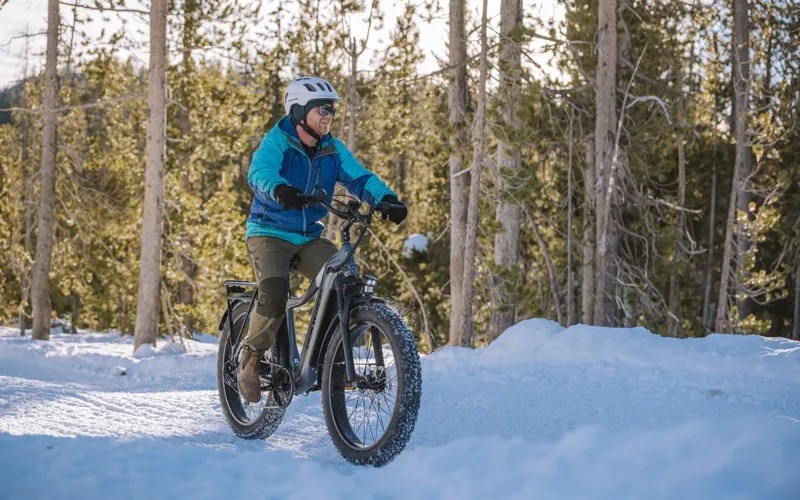
Winter roads can turn unpredictable fast—packed snow, hidden ice, slush, and steep, icy descents can catch new riders off guard. The good news is that electric snow bikes are built for these conditions. Wide tires, stable frames, and electric assist make snow travel possible when regular bikes struggle.
But snow riding still comes with real risks. Traction drops sharply, braking takes longer, and cold weather can drain batteries quicker than expected. This guide explains exactly how to ride with confidence while staying safe.
1) Know the Biggest Winter Riding Risks
In snow and ice, the bike reacts differently to every input—accelerating, turning, and braking all require more control.
Common winter surfaces include:
- Ice / black ice: Looks like wet pavement and is extremely slippery
- Packed snow: Slippery but predictable if you ride smoothly
- Soft snow: Tires can sink and steer unpredictably
- Icy slopes: Dangerous both climbing and descending
The key mindset: assume you have less grip than you think, and ride accordingly.
2) Get Your Bike Setup Right Before You Ride
You don’t need a new bike to ride in winter, but you do need the right setup.
Wide tires = better grip and stability
Tires in the 4.0–5.0 inch range increase contact with snow and help you “float” over softer surfaces. If your area has frequent ice, studded tires can add extra bite.
Adjust tire pressure for winter traction
Lower PSI improves grip because the tire conforms to snow and uneven terrain.
Use these as practical ranges:
- Dry, packed snow: 12–15 PSI
- Soft snow or crushed ice: 8–12 PSI
- Deep snow: 5–8 PSI (stay within rim safety limits)
Smooth power matters more than “more power”
A high-torque motor helps in snow, but sudden acceleration can spin your tire instantly. Keep throttle/pedal inputs gentle—especially when starting from a stop.
Brakes should be reliable in the cold
Hydraulic brakes tend to perform more consistently in freezing conditions. Regardless of brake type, remember: winter stopping distance can double.
3) Riding Techniques That Keep Beginners Upright
Keep your speed low
Low speed gives you time to react and reduces slide-outs. On winter roads, staying under 20 km/h (12 mph) is a smart baseline.
No sudden moves
Avoid:
- sharp turns
- hard braking
- abrupt pedaling or throttle bursts
Smoothness is traction in winter.
Lower your center of gravity
Relax your arms, keep your body loose, and slightly shift weight back when surfaces get slippery. Let the bike move under you instead of stiffening up.
Read the road like it’s hiding a surprise
- Treat shiny spots as black ice
- Slow down before turns
- Assume snow piles can hide potholes
4) Gear That Makes Winter Safer (Not Just Warmer)
Winter gear isn’t only about comfort—visibility and protection matter.
Bring:
- high-brightness front and rear lights
- insulated gloves and a waterproof outer layer
- protective goggles (wind + snow glare is real)
- fenders (slush spray reduces visibility fast)
- removable battery (store indoors to reduce cold-range loss)
5) Battery and Range Tips for Cold Weather
Cold temperatures reduce battery efficiency—often 20%–40% depending on conditions. That’s normal.
To improve range:
- warm the battery indoors before riding
- avoid max assist for long stretches
- use an insulated battery cover if available
- keep rides shorter when temperatures are extreme
6) Pre-Ride and Post-Ride Checklists
Pre-ride
Before heading out:
- set tire PSI for the snow condition
- confirm brakes feel responsive
- check lights and reflectors
- clear snow/ice from drivetrain and calipers
- start with a warm battery when possible
Post-ride
After riding:
- wipe down moisture, slush, and ice
- clean chain and drivetrain to prevent freezing
- remove the battery and store it indoors
- inspect cables and connectors for trapped moisture
This routine prevents corrosion, freezing parts, and long-term damage.
7) A Quick Note on Winter-Ready Brands
Some winter riders prefer brands designed for harsh conditions. For example, MOKWHEEL bikes excel on snow thanks to wide tires, stable geometry, and strong motors that support winter riding across mixed terrain.
Frequently Asked Questions
Can electric bikes run in sub-zero temperatures?
Yes—most quality electric bikes can run in freezing temperatures, but battery performance drops. Keeping the battery warm helps.
Do I need studded tires?
Not always. Wide tires handle packed and soft snow well. Studded tires are most useful if you regularly ride on ice.
How low should tire pressure go?
- Packed snow: 12–15 PSI
- Soft snow/light ice: 8–12 PSI
- Deep snow: 5–8 PSI (within rim limits)
Does snow riding require special maintenance?
Yes. Clean slush off brakes, chain, and drivetrain after riding, and store the battery indoors.
Can a regular e-bike be used in snow?
Not recommended. Narrow tires and weaker weather sealing reduce traction and reliability compared to electric snow bikes.