Salvaging Water-Damaged Flooring: Remediation and Restoration Solutions for Different Materials
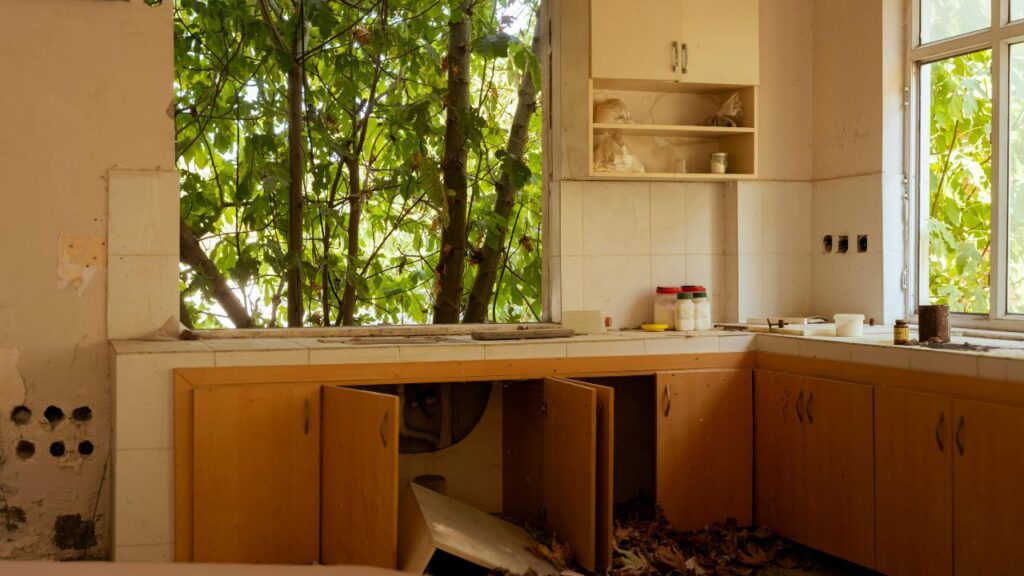
Water damage can be devastating to flooring, affecting everything from hardwood and carpet to tile and laminate. The severity of the damage depends on factors like the type of flooring, the extent of water exposure, and how quickly remediation efforts begin. Without prompt action, water intrusion can lead to structural instability, mold growth, and costly repairs. Homeowners facing this challenge need effective strategies to restore their flooring. Professional water damage remediation Lexington KY services can help mitigate damage and salvage materials where possible, ensuring a safe and durable restoration process.
Hardwood Floors: How to Prevent Warping and Cupping
- Immediate Drying: As soon as water exposure occurs, removing excess water using towels, mops, or wet vacuums is crucial. Dehumidifiers and fans should be used to accelerate drying. For severe cases, professional-grade drying equipment may be required to pull moisture from deep within the wood.
- Avoiding Direct Heat: While heat may seem like a quick fix, excessive heat can cause hardwood to crack. Instead, gradual drying is recommended. Sudden temperature changes can lead to further expansion and contraction, exacerbating damage.
- Sanding and Refinishing: Once dry, minor warping and cupping can often be resolved by sanding and refinishing the surface to restore its original shape and appearance. Deep gouges or permanent swelling may require board replacements before refinishing.
- Replacement Considerations: If the damage is too severe, replacing individual planks instead of the entire floor can be a cost-effective solution. Ensuring the new planks match the existing wood in color and grain can help maintain visual consistency.
Carpet and Padding: Can It Be Saved or Should It Be Replaced?
- Clean vs. Contaminated Water: If the water is clean (e.g., from a broken pipe), carpets may be salvaged with professional drying and deep cleaning. However, exposure to sewage or floodwater often necessitates complete replacement due to health hazards from bacteria and mold.
- Padding Absorption: Carpet padding acts like a sponge, absorbing large amounts of water. Even if the carpet itself is salvageable, padding often needs replacement. Wet padding can also contribute to mold growth, which spreads quickly if not addressed.
- Mold and Mildew Prevention: Rapid drying, steam cleaning, and applying antimicrobial treatments can help prevent mold and mildew growth. If a musty odor persists after cleaning, hidden mold may require further remediation.
- Professional Assessment: Experts in water damage remediation can determine whether the carpet is salvageable or if replacement is the best option for long-term safety. They use moisture meters and infrared cameras to detect lingering moisture that could lead to future problems.
Tile and Grout Damage: How Water Seeps Beneath the Surface
- Checking for Loose Tiles: If water has penetrated the subfloor, tiles may become loose or shift. Identifying and addressing these early prevents further deterioration. Loose tiles may also indicate weakened adhesive, requiring professional reinstallation.
- Drying Beneath Tiles: Industrial air movers and dehumidifiers can help dry the underlying subfloor without removing the tiles. In cases of extensive moisture penetration, lifting a few tiles to inspect the subfloor may be necessary.
- Re-grouting and Sealing: After thorough drying, reapplying grout, and sealing it prevents future water infiltration. Using high-quality, water-resistant grout and sealants can enhance durability and protect against future damage.
- Replacement Needs: If water damage has compromised the subfloor, tiles may need to be removed and replaced after repairs. Subfloor replacement should be followed by a moisture barrier installation to prevent recurrence.
Laminate and Vinyl Flooring: Why Water Exposure Leads to Irreversible Damage
- Swelling and Delamination: Water causes laminate planks to swell and separate, resulting in irreparable warping. Once the core material absorbs water, it loses structural integrity and cannot be restored.
- Trapped Moisture: Vinyl flooring with an adhesive backing can trap water underneath, leading to mold and subfloor deterioration. This hidden moisture can cause the subfloor to rot over time, making early detection critical.
- Preventing Further Damage: Prompt removal of wet laminate or vinyl flooring helps prevent damage to the subfloor. If left unattended, trapped moisture can compromise adjacent flooring and structural components.
- Best Replacement Options: Waterproof luxury vinyl plank (LVP) or sealed tile can be ideal replacements for areas prone to moisture exposure. Choosing moisture-resistant underlayments can further protect against future water intrusion.
Subfloor Damage: When to Reinforce Vs. Replace
- Assessing Structural Integrity: Soft spots, sagging, or a musty odor may indicate subfloor deterioration. Prolonged exposure can weaken the structure, making the floor unsafe to walk on.
- Drying and Reinforcement: If the damage is minimal, drying the subfloor and reinforcing it with additional fasteners may be enough. Adding support beams or extra plywood layers can provide additional stability.
- Signs That Replacement is Necessary: If the subfloor is mold-infested, warped, or structurally compromised, full replacement is the safest choice. Neglecting replacement can lead to long-term structural instability and increased repair costs.
- Preventative Measures: Installing moisture-resistant underlayment and ensuring proper drainage around the home can help protect the subfloor from future damage. Regular inspections can identify vulnerabilities before water damage occurs.
Conclusion
Water damage can wreak havoc on flooring materials, but with the right remediation and restoration strategies, it is possible to salvage and restore many types of flooring. Hardwood floors can often be refinished, carpets may be saved depending on the water source, and tile can be repaired if the subfloor remains intact. However, laminate and vinyl flooring often require replacement due to irreversible damage. Addressing subfloor issues is crucial for long-term structural integrity. For homeowners dealing with water damage, seeking assistance from water restoration Kentucky experts ensures a professional approach to preserving flooring and preventing future problems.