How Restoration Heroes Can Save Your Home from Water Damage: Emergency Solutions for Flood Recovery
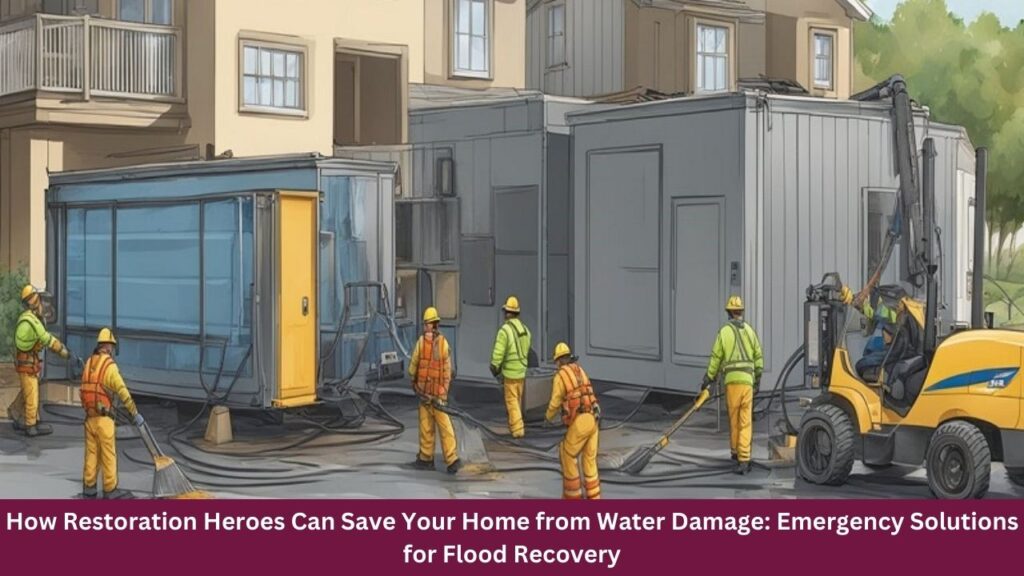
Water damage can strike your home without warning, leaving destruction in its wake. From burst pipes to severe storms, these emergencies demand immediate action to prevent further deterioration of your property’s structure and your belongings. That’s where restoration heroes come in.
Professional restoration services can mean the difference between a minor inconvenience and a devastating loss, often saving homeowners thousands of dollars in the process. These trained experts arrive equipped with industrial-grade equipment and specialized knowledge to extract water, dry affected areas, and prevent dangerous mold growth.
The emergency response time of restoration professionals is crucial in minimizing damage. Within hours of water exposure, drywall begins to swell, wood starts warping, and mold can begin forming in as little as 24-48 hours. Restoration heroes work quickly to restore your home to its pre-damage condition, handling everything from initial water extraction to final repairs.
Assessing Water Damage and Initiating Restoration
Water damage assessment requires swift action and systematic evaluation to prevent escalating problems and protect your property’s structural integrity.
Identifying the Water Source and Classifying Damage
Water damage is categorized into three classes based on the source and contamination level. Category 1 (clean water) comes from broken pipes or overflow from clean sources. Category 2 (gray water) contains contaminants from dishwashers, washing machines, or toilet overflows without feces. Category 3 (black water) is highly contaminated from sewage backups or flooding.
The extent of damage also falls into four classes:
- Class 1: Minimal water absorption with limited affected materials
- Class 2: Significant water absorption affecting walls and furnishings
- Class 3: Maximum absorption with water saturating ceilings, walls, and floors
- Class 4: Special situations requiring specialty drying techniques
Identifying the source is crucial for stopping further intrusion. Restoration professionals utilize moisture meters and thermal imaging cameras to detect hidden moisture behind walls and under floors.
Health and Safety Considerations in Water-Damaged Homes
Water damage creates serious health risks that require immediate attention. Mold can begin growing within 24-48 hours, potentially causing respiratory issues and allergic reactions.
Contaminated water may contain bacteria, viruses, and other pathogens that pose significant health hazards. Personal protective equipment (PPE) is essential when dealing with water damage:
- Waterproof gloves
- N-95 respirators or masks
- Eye protection
- Waterproof boots
Electrical hazards are another critical concern. Always turn off electricity to affected areas before entering standing water. Gas leaks may also occur if appliances or lines are damaged.
Children, elderly individuals, and those with compromised immune systems should avoid water-damaged environments completely until professionals declare them safe.
The Role of Professional Water Damage Restoration Services
Restoration professionals bring specialized knowledge and equipment that significantly improve recovery outcomes. They employ industrial-grade extractors, dehumidifiers, and air movers that far exceed the capabilities of consumer equipment.
These experts follow IICRC standards (Institute of Inspection, Cleaning and Restoration Certification) to ensure thorough restoration. Their comprehensive assessment includes:
- Examining structural components for damage
- Testing materials for moisture content
- Creating a detailed restoration plan
- Monitoring drying progress
Professional services also help prevent secondary damage like mold growth and structural weakening. While DIY approaches might address surface issues, professionals detect and treat hidden moisture that could otherwise lead to costly repairs months later.
Water Mitigation Strategies
Quick water mitigation dramatically reduces overall damage and restoration costs. The first 24-48 hours are critical. Start by removing standing water using pumps or wet vacuums for larger volumes, or mops and towels for smaller amounts.
Content removal is the next priority. Furniture, rugs, and personal belongings should be moved to dry areas. Some items may require specialized cleaning or restoration.
Proper drying techniques include:
- Strategic placement of air movers to create airflow across wet surfaces
- Dehumidifiers to extract moisture from the air
- Controlled demolition of damaged materials when necessary
Temperature control plays a vital role in effective drying. Most professional equipment functions optimally between 70-90°F. Moisture monitoring throughout the process ensures all affected areas reach appropriate dryness levels.
Documentation and Insurance Claims
Thorough documentation strengthens insurance claims and expedites the reimbursement process. Begin taking photos and videos immediately, before any cleanup efforts start.
Create a detailed inventory of damaged items including:
- Description of the item
- Approximate age
- Estimated replacement cost
- Photos of damage
Maintain all receipts for emergency repairs and temporary accommodations. Professional restoration companies typically provide detailed reports documenting moisture readings, affected materials, and remediation steps taken.
Many insurance policies require prompt notification of damage. Contact your provider within 24-48 hours. Most restoration companies work directly with insurance adjusters to streamline the claims process and ensure all necessary documentation meets specific requirements.
Effective Water Damage Repair Techniques
Successful water damage recovery relies on proven methodologies that address both immediate concerns and long-term structural integrity. These techniques work together to minimize damage and restore homes to their pre-loss condition.
Water Extraction and Removal
The first critical step in any water damage restoration is thorough water extraction. Professional restoration teams employ powerful submersible pumps and industrial-grade wet vacuums to remove standing water quickly and efficiently.
Time is truly essential during this phase. For every hour water remains, it penetrates deeper into materials and spreads further throughout the structure. Professionals use moisture meters to locate hidden pockets of water within walls, under flooring, and in other concealed areas.
Different types of water damage require specific approaches. Clean water from broken pipes requires straightforward extraction, while gray or black water from sewage backups demands additional safety protocols and sanitization measures.
For extensive flooding, truck-mounted extraction units can remove thousands of gallons rapidly. Portable units allow technicians to reach confined spaces where water hides in crevices and behind structures.
Drying and Dehumidification Process
Once extraction is complete, the drying phase begins with strategic placement of specialized equipment. Industrial-grade air movers and dehumidifiers work together to eliminate remaining moisture.
Air movers create high-velocity airflow across wet surfaces, accelerating evaporation by displacing humid air. Dehumidifiers then pull this moisture from the air, preventing it from being reabsorbed into porous materials.
Temperature control plays a crucial role in efficient drying. Professionals maintain optimal conditions between 70-90°F where equipment performs most effectively. They carefully monitor humidity levels, aiming for the ideal relative humidity of 40-60%.
The drying process typically takes 3-5 days depending on factors like material saturation, building construction, and ambient conditions. Technicians document the process with daily moisture readings to ensure thorough drying of all affected materials.
Mold Prevention and Antimicrobial Treatments
Water damage creates ideal conditions for mold growth, which can begin within 24-48 hours. Effective restoration includes proactive mold prevention through antimicrobial applications and moisture control.
Professional-grade antimicrobial treatments are applied to affected surfaces to eliminate existing microorganisms and prevent future growth. These EPA-registered products create an invisible barrier that continues working after application.
Air quality management becomes essential during this phase. HEPA air scrubbers filter spores and contaminants from the environment, reducing health risks from airborne pathogens.
Areas with visible mold require special remediation protocols, including containment measures and negative air pressure. Technicians wear appropriate PPE while removing affected materials that cannot be salvaged or treating those that can be saved.
Repairing Structural Damage and Restoring Home Integrity
After moisture levels return to normal, structural repairs begin. This phase focuses on rebuilding damaged components and restoring the home’s integrity and appearance.
Water-damaged drywall typically requires removal and replacement, especially if it shows signs of swelling, discoloration, or softening. Professionals examine subflooring for warping or deterioration that might compromise structural stability.
Wood elements present unique challenges. Depending on damage severity, floor joists, support beams, and other wooden structures may need reinforcement or replacement to maintain load-bearing capacity.
Restoration experts match new materials to existing ones for seamless integration. This includes matching paint colors, floor coverings, and textures to restore the pre-damage appearance. The goal is complete restoration that leaves no visible evidence of the water damage incident.