Slash Your Business’s Power Bill with These Proven Strategies
In today’s competitive business environment, controlling overhead costs is crucial for maintaining profitability. One area where many businesses can see immediate savings is their power bill. By implementing a few key strategies, you can significantly reduce your business’s energy consumption and lower costs.
Why Reducing Your Business’s Power Bill Matters
Managing energy costs is not just about saving money. Reducing your business’s power bill contributes to environmental sustainability and enhances your company’s reputation as an eco-friendly entity. Customers increasingly prefer to support businesses that are committed to reducing their carbon footprint.
Conduct an Energy Audit
The first step in reducing your power bill is understanding how and where your energy is being used. An energy audit can help identify inefficiencies and areas for improvement. Many utility companies offer free or low-cost energy audits for businesses. The audit report will provide a detailed analysis of your energy usage patterns and recommendations for reducing consumption.
Switch to Energy-Efficient Lighting
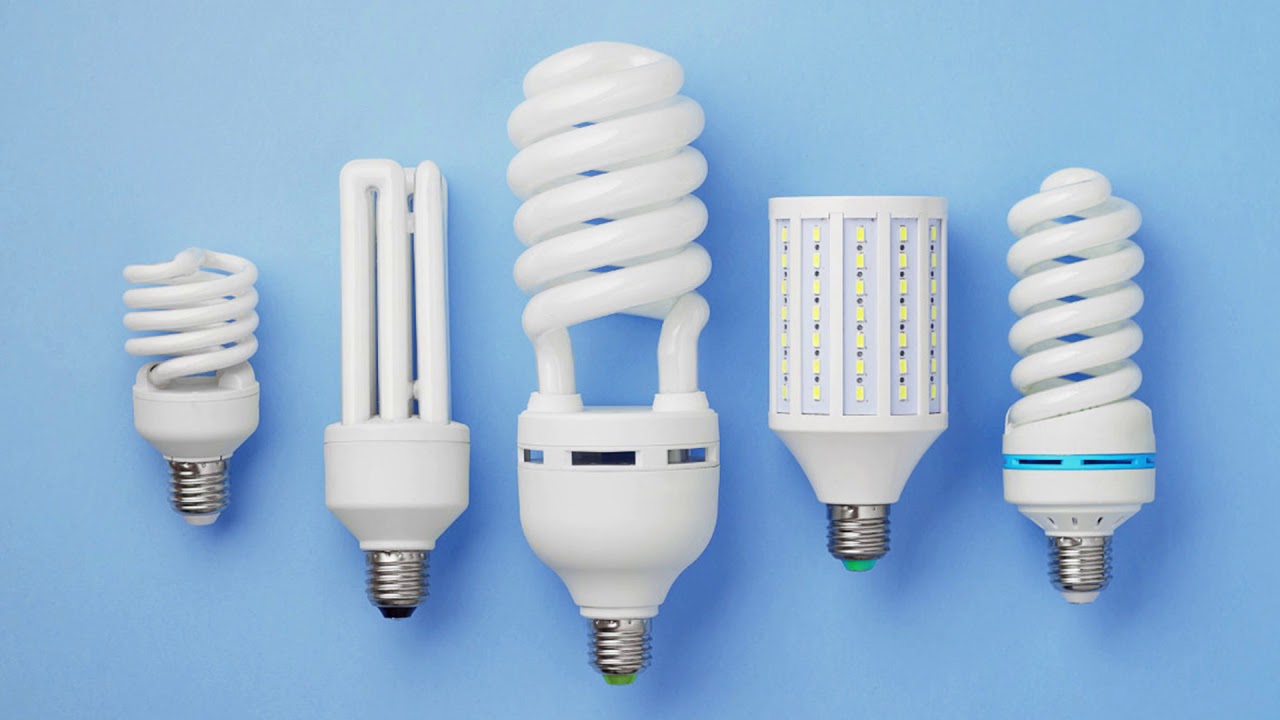
Lighting accounts for a significant portion of a business’s electricity usage. Replacing traditional incandescent bulbs with energy-efficient LED lighting can lead to substantial savings. LEDs use up to 75% less energy and last 25 times longer than incandescent bulbs. Additionally, installing motion sensors and timers can ensure that lights are only used when needed, further reducing energy consumption.
Optimize Heating and Cooling Systems
Heating, ventilation, and air conditioning (HVAC) systems are major energy consumers in most businesses. Regular maintenance of HVAC systems ensures they operate efficiently. Setting programmable thermostats to adjust temperatures during non-working hours can also result in significant savings. Consider upgrading to energy-efficient HVAC units and using ceiling fans to circulate air more effectively.
Invest in Energy-Efficient Equipment
Office equipment such as computers, printers, and copiers contribute to your overall energy consumption. Investing in energy-efficient models can reduce power usage. Look for Energy Star-rated appliances, which are designed to consume less electricity without compromising performance. Encouraging employees to turn off equipment when not in use can also contribute to energy savings.
Implement Smart Power Strips
Phantom loads, or standby power, occur when devices continue to draw electricity even when turned off. Smart power strips can eliminate this wasted energy by shutting off power to devices that are not in use. This simple change can result in noticeable reductions in your power bill.
Utilize Natural Light
Maximizing the use of natural light can reduce the need for artificial lighting. Arrange workspaces near windows and use light-colored furnishings and walls to reflect daylight. Installing skylights or solar tubes can bring additional natural light into interior spaces, reducing the reliance on electric lighting.
Install Solar Panels
Investing in renewable energy sources like solar panels can drastically reduce your business’s power bill. Commercial solar panel installation in Utah, for example, can take advantage of both state and federal incentives, making it a cost-effective solution. Solar panels not only lower energy costs but also provide a clean, sustainable energy source.
Encourage Energy-Saving Practices Among Employees
Creating a culture of energy efficiency within your business can amplify your savings. Educate employees about the importance of conserving energy and provide tips on how they can contribute. Simple actions like turning off lights, using energy-efficient settings on office equipment, and reporting energy waste can make a significant difference.
Upgrade Insulation
Proper insulation helps maintain a consistent indoor temperature, reducing the need for heating and cooling. Check for drafts and seal gaps around windows and doors. Upgrading insulation in walls, roofs, and floors can enhance energy efficiency and lower utility costs.
Monitor and Evaluate Energy Usage
Regularly monitoring your energy usage can help identify trends and areas for further improvement. Use energy management software to track consumption patterns and evaluate the effectiveness of energy-saving measures. Adjust strategies as needed to continue optimizing energy use.
Leverage Technology for Energy Management
Smart building technology can automate and optimize energy usage in real-time. Smart thermostats, lighting controls, and energy management systems can adjust settings based on occupancy and usage patterns. These technologies reduce energy consumption and provide valuable insights into usage trends.
Take Advantage of Incentives and Rebates
Many governments and utility companies offer incentives and rebates for businesses that implement energy-saving measures. Research available programs in your area and take advantage of financial incentives for upgrading to energy-efficient equipment and renewable energy sources. These incentives can offset initial costs and accelerate your return on investment.
Create an Energy-Saving Plan
Developing a comprehensive energy-saving plan can help your business achieve long-term energy efficiency goals. Set specific targets for reducing energy consumption and outline the steps needed to achieve them. Regularly review and update the plan to incorporate new technologies and practices.
Conclusion
Reducing your business’s power bill requires a combination of strategic investments and behavioral changes. By conducting an energy audit, switching to energy-efficient equipment, utilizing natural light, and encouraging energy-saving practices, your business can achieve significant cost savings. Implementing renewable energy sources like solar panels can further enhance energy independence and sustainability. Start taking steps today to lower your business’s energy consumption and enjoy the benefits of reduced overhead costs and a greener footprint.