The Role of HVAC Systems in Sustainable Building Design
Sustainable building design is no longer a trend—it has become a necessity. With increasing concerns over climate change, energy consumption, and indoor environmental quality, modern buildings are being designed to reduce their ecological footprint while enhancing occupant comfort. One of the most critical components of sustainable architecture is the HVAC (heating, ventilation, and air conditioning) system, which plays a pivotal role in regulating indoor climate, optimizing energy efficiency, and ensuring healthy air quality.
As homeowners, architects, and commercial property owners move toward greener construction, the integration of high-efficiency HVAC systems is becoming a cornerstone of sustainable building practices. This article explores how HVAC systems contribute to sustainability and how professionals like Nardco Heating & Air Conditioning can help implement energy-efficient solutions for eco-conscious buildings.
Why HVAC Systems Matter in Sustainable Buildings
HVAC systems account for nearly 40% of a building’s total energy consumption, making them one of the largest contributors to carbon emissions in residential and commercial properties. Optimizing HVAC efficiency can drastically reduce energy waste, lower operational costs, and improve the environmental impact of buildings. Key benefits include:
- Lower carbon footprint by reducing reliance on fossil fuel-based heating and cooling.
- Improved indoor air quality (IAQ) to promote occupant health and comfort.
- Enhanced energy savings through smart controls, efficient design, and renewable energy integration.
- Longer equipment lifespan with proper sizing, maintenance, and high-performance technology.
Key HVAC Strategies for Sustainable Building Design
To create truly sustainable buildings, HVAC systems must be designed with energy efficiency, environmental impact, and occupant well-being in mind. Here are the leading strategies to achieve these goals:
1. High-Efficiency HVAC Equipment Selection
Modern HVAC units come with advanced features that optimize energy consumption. When choosing an HVAC system for a sustainable building, consider:
- Energy Star-rated HVAC systems that meet or exceed government efficiency standards.
- Variable Refrigerant Flow (VRF) systems for precise climate control in different zones.
- Heat pump technology for year-round heating and cooling with lower energy demand.
2. Passive HVAC Design Integration
Passive design strategies reduce reliance on mechanical heating and cooling by leveraging natural elements such as sunlight, shade, and ventilation.
- Thermal mass materials (like stone and concrete) store and release heat to maintain stable indoor temperatures.
- Strategic window placement maximizes daylighting while minimizing heat gain.
- Cross-ventilation techniques allow fresh air to circulate, reducing the need for mechanical ventilation.
3. Smart HVAC Controls and Automation
Technology-driven HVAC solutions improve efficiency by adapting to real-time building conditions.
- Smart thermostats optimize temperature settings based on occupancy and weather forecasts.
- Building automation systems (BAS) control HVAC operations in large commercial properties to minimize energy waste.
- Demand-controlled ventilation (DCV) adjusts airflow according to occupancy levels, reducing unnecessary energy use.
4. Renewable Energy Integration with HVAC
Sustainable buildings often incorporate renewable energy sources to power HVAC operations.
- Solar-powered HVAC systems use photovoltaic panels to generate electricity for heating and cooling.
- Geothermal heat pumps leverage the earth’s stable underground temperatures for highly efficient heating and cooling.
- Wind-powered HVAC systems offer an alternative for properties located in high-wind areas.
5. Advanced Ventilation and Air Filtration Systems
Indoor air quality (IAQ) is a crucial aspect of sustainable building design, impacting both comfort and health. High-performance HVAC systems should include:
- Energy recovery ventilators (ERVs) to maintain fresh air exchange while retaining heating and cooling energy.
- High-efficiency particulate air (HEPA) filters that capture fine pollutants, allergens, and airborne contaminants.
- UV air purifiers to neutralize bacteria and viruses, promoting a healthier indoor environment.
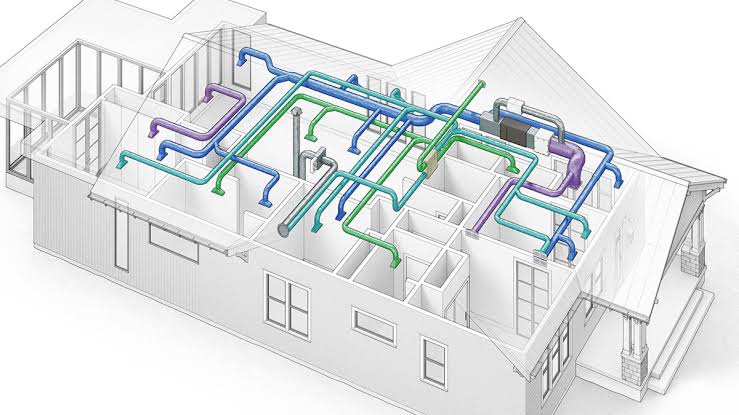
6. Ductwork Optimization and Sealing
Leaky or poorly designed ductwork can result in up to 30% energy loss in HVAC systems. Ensuring well-sealed and properly insulated ducts improves efficiency by:
- Reducing air leakage and energy waste.
- Enhancing even air distribution throughout the building.
- Lowering overall HVAC system strain and maintenance costs.
7. Sustainable Refrigerants and Low-Carbon Cooling
Traditional refrigerants contribute to global warming potential (GWP), but new eco-friendly alternatives are shaping the future of HVAC sustainability:
- R-32 and R-454B refrigerants have lower environmental impact compared to older options like R-410A.
- Natural refrigerants such as CO2 and ammonia offer non-toxic, energy-efficient cooling solutions.
Comparing Conventional and Sustainable HVAC Systems
| Feature | Conventional HVAC | Sustainable HVAC |
| Energy Efficiency | Moderate | High (uses advanced technologies like VRF and smart controls) |
| Carbon Emissions | High (relies on fossil fuels) | Low (integrates renewable energy sources) |
| Indoor Air Quality | Basic filtration | Enhanced air purification and humidity control |
| Long-Term Costs | Higher due to energy waste | Lower due to efficiency and durability |
| Maintenance | More frequent repairs | Reduced maintenance needs with smart diagnostics |
Challenges and Future Trends in Sustainable HVAC
While sustainable HVAC solutions offer immense benefits, there are challenges to widespread adoption. Initial investment costs, availability of skilled technicians, and integration with existing infrastructure remain key hurdles. However, emerging trends suggest that sustainable HVAC will continue evolving:
- AI-driven HVAC optimization for predictive energy management.
- Grid-interactive efficient buildings (GEBs) that communicate with power grids for energy efficiency.
- Hydronic radiant cooling and heating for better thermal distribution with less energy use.
- Zero-energy buildings where HVAC systems contribute to overall energy self-sufficiency.
Final Thoughts
Sustainable building design depends on smart HVAC choices that balance energy efficiency, environmental responsibility, and occupant comfort. Whether through high-efficiency equipment, passive design strategies, or renewable energy integration, modern HVAC systems are redefining the way buildings are heated, cooled, and ventilated.
For homeowners and businesses looking to implement cutting-edge, eco-friendly HVAC solutions, consulting experts like Nardco Heating & Air Conditioning ensures customized, energy-efficient results. The future of HVAC is green, and taking the right steps today will lead to a more sustainable tomorrow.