The Science Behind Why Some Fabrics Shrink While Others Don’t
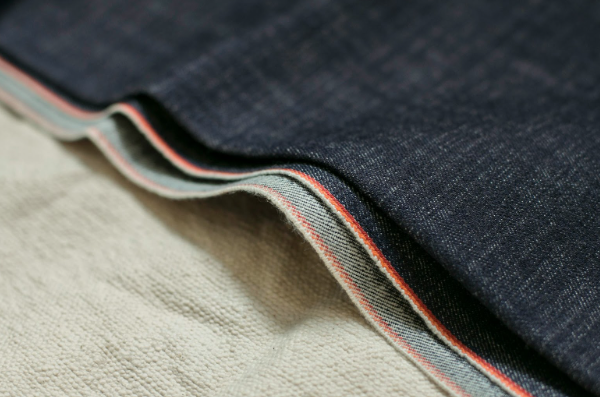
Fabric shrinkage is a common frustration, but have you ever wondered why some clothes come out of the wash smaller while others hold their shape? The answer lies in the structure of the fibers, how they are processed, and the way heat, moisture, and agitation affect them. Understanding the science behind fabric shrinkage can help you take better care of your clothes and prevent unwanted surprises after laundry day.
Natural vs. Synthetic Fibers
The biggest factor influencing shrinkage is whether a fabric is made from natural or synthetic fibers. Natural fibers, such as cotton, wool, and linen, have more irregular, absorbent structures that make them more susceptible to shrinkage. Synthetic fibers, such as polyester, nylon, and spandex, are engineered to be more resistant to moisture and heat, making them less prone to shrinking.
The Role of Tension in Fabric Production
When fabrics are manufactured, the fibers are stretched and woven under tension to create a smooth and uniform appearance. This tension is locked into place until the fabric is exposed to heat, water, or agitation, which can cause the fibers to relax and return to their original, unstretched state, which results in shrinkage. This is particularly common in fabrics like cotton, which are heavily processed before being turned into garments.
Heat and Moisture
Heat and moisture are the two primary causes of shrinkage. When natural fibers absorb water during washing, they swell and loosen. If exposed to high heat in the dryer, the fibers contract as they dry, causing the fabric to shrink. Wool, for example, has a protein-based structure that reacts dramatically to heat and moisture, leading to a phenomenon called felting shrinkage, where the fibers interlock and tighten.
Synthetic fibers, on the other hand, are made from plastic-based polymers that are heat-resistant. While extreme temperatures can cause synthetic fabrics to warp or melt, they generally do not shrink in the same way natural fibers do because they do not absorb water in the same way.
Why Some Natural Fabrics Shrink More Than Others
Not all natural fabrics shrink at the same rate. Cotton and linen, which are made of cellulose fibers, tend to shrink when exposed to heat and moisture, but the degree of shrinkage depends on factors such as weave density and whether the fabric has been pre-shrunk.

Wool and other animal-based fibers are highly sensitive to heat and agitation due to their scaly structure. When exposed to moisture and movement, these scales interlock, leading to dramatic shrinkage and a felted texture. This is why wool sweaters can shrink multiple sizes if not washed properly.
Pre-Shrunk Fabrics and Blends
Many modern garments are labeled as “pre-shrunk,” meaning they have undergone a controlled shrinking process during manufacturing to reduce further shrinkage after washing. Cotton and wool fabrics that have been pre-treated in this way tend to be more stable and retain their size better.

Fabric blends also help minimize shrinkage. A cotton-polyester blend, for example, combines the softness and breathability of cotton with the shrink-resistant properties of polyester, making it more durable and less prone to size changes in the wash.
How to Prevent Shrinkage in Your Clothes
While shrinkage is often unavoidable with certain fabrics, you can take steps to minimize it:
- Wash clothes in cold water to reduce fiber swelling and contraction.
- Air dry or use the lowest heat setting on your dryer.
- Look for pre-shrunk fabrics or blends that resist shrinking.
- Safe techniques like solvent-based laundry cleaning can also come in handy if you do not want to risk your delicate garments over-shrinkage in cold water.
Fabric shrinkage is a natural reaction to heat, moisture, and mechanical stress, but knowing why it happens can help you make better laundry decisions. Natural fibers are more prone to shrinking due to their absorbency and structure, while synthetic fibers tend to resist size changes. By choosing the right fabrics and washing methods, you can keep your clothes fitting just as they should—no unpleasant surprises after laundry day!