TVApp: Personalized Recommendations for Every Viewer
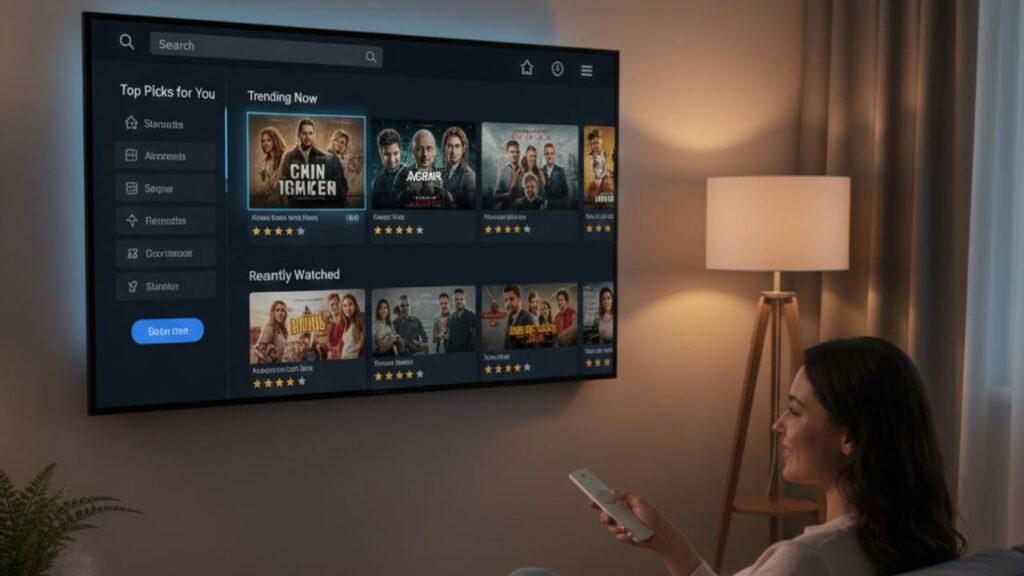
With thousands of movies, series, clips, and live channels available across modern platforms, choosing what to watch can feel like work. Research-backed reports show viewers often spend around 10+ minutes deciding what to watch in a single streaming session, and decision fatigue is becoming a real problem.
Personalized recommendations solve this by surfacing content that matches a viewer’s tastes—so people spend less time scrolling and more time watching. For platforms like tvapp, smart recommendations aren’t just a “nice feature”—they’re a core part of keeping viewers engaged and satisfied.
Why Personalized Recommendations Matter
Personalization helps in three big ways:
- Reduces decision fatigue: quicker “what to watch” choices.
- Improves satisfaction: users feel the platform “gets” their tastes.
- Supports retention: surveys show viewers value easy, personalized discovery—and it can influence whether they stay with a service.
How Recommendation Systems Personalize Content
1) Data Signals (What the System Learns From)
Most recommendation engines build a preference profile using signals like:
- Viewing history (what you finished, stopped, or rewatched)
- Searches and clicks (what you explored vs ignored)
- Watch time, session patterns, and device type
- Likes/dislikes, ratings, watchlists, “save for later” actions
Good systems also handle “shared households” by supporting multiple profiles, so one person’s viewing doesn’t distort another’s recommendations.
2) The Algorithms Behind the Suggestions
Most platforms combine a few proven approaches:
- Collaborative filtering: recommends what similar viewers enjoyed
- Content-based filtering: recommends items similar to what you already watched
- Hybrid models: blends both approaches for stronger accuracy and fewer “weird” suggestions
This hybrid approach is widely used because it reduces blind spots—like when you’re new to the platform (little history) or when your tastes change.
How AI Improves Discovery (Beyond “Because You Watched…”)
Modern recommendation engines go further than simple genre matching. AI can detect deeper patterns—tone, pacing, themes, and even “vibe clusters.” Netflix has publicly discussed how recommendations drive a major portion of viewing through personalization, showing how central these systems are to discovery.
The industry is also experimenting with more “topic-based” discovery. For example, Prime Video has tested AI-driven topic groupings (like themed recommendation collections) rather than relying only on traditional rows.
Why Feedback Makes Recommendations Smarter
User feedback is one of the quickest ways to improve accuracy, because it removes guesswork. Helpful feedback features include:
- Like / dislike buttons
- Star ratings (where available)
- “Not for me” controls
- Watchlists and playlists
When a platform uses these signals well, recommendations adjust faster—especially when your preferences shift over time.
Cross-Device Personalization: Keeping It Consistent Everywhere
Most viewers switch between devices (phone → TV → tablet). Strong recommendation systems sync:
- Your “continue watching” progress
- Your watchlist and saved items
- Your personalized home screen rows
This creates a smoother experience and makes it easier to pick up where you left off—without re-searching.
Contextual Recommendations: Right Content at the Right Moment
Context adds another layer of intelligence. A strong platform may adapt suggestions based on:
- Time of day (short videos vs full movies)
- Session length (quick picks vs deep binges)
- Trending titles (when relevant to your taste)
This is how recommendations start feeling “naturally helpful” instead of repetitive.
Privacy in Personalization: What Users Expect
Personalization works best when trust is high. Viewers are more comfortable engaging when platforms are transparent about data use and give controls like:
- Clear privacy policy and consent choices
- Profile controls and recommendation reset options
- Easy opt-outs for tracking-based features (where possible)
Strong privacy practices support long-term loyalty—because people want personalization without feeling monitored.
Final Thoughts
Personalized recommendations are now a pillar of modern streaming. They reduce browsing time, improve discovery, and help viewers find content they genuinely enjoy—especially in a crowded entertainment landscape. When a platform gets recommendations right, the experience feels faster, easier, and more personal.