What is Social Justice in Education?
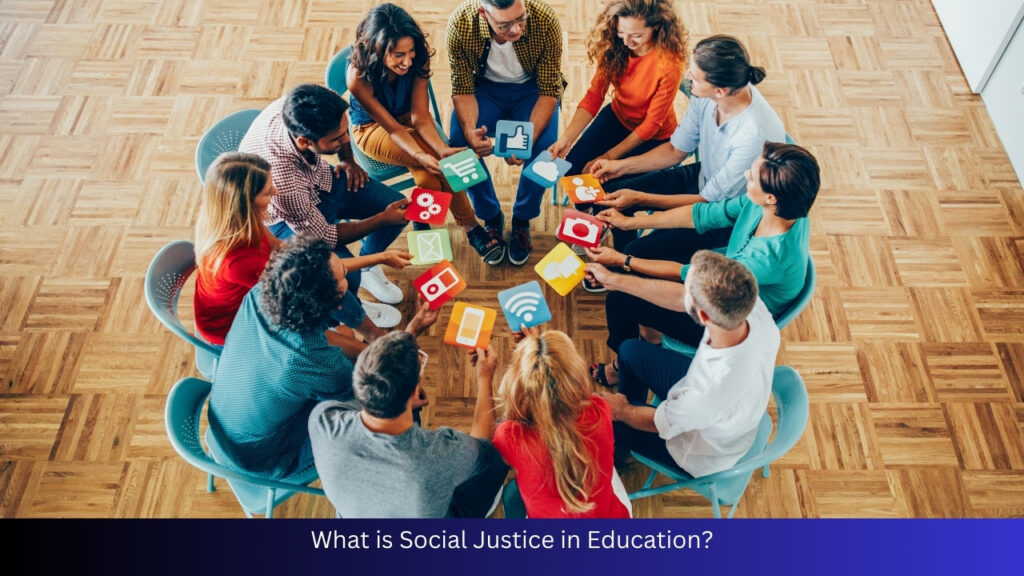
When people ask, “What is social justice in education?” they are really asking about fairness, equity, and inclusion in schools. Social justice in education means ensuring that every learner—regardless of race, gender, background, or ability—has access to the same opportunities to learn, grow, and succeed. It’s about creating a system that not only acknowledges differences but also values and supports them.
Education plays a vital role in shaping the future of individuals and societies. Without social justice, the learning environment can unintentionally reinforce inequality. By embracing this concept, schools can become places where fairness, respect, and diversity thrive.
Why Understanding Social Justice in Education Matters
At its core, social justice in education is about leveling the playing field. Students come to the classroom with different challenges—some may face economic hardships, language barriers, or cultural discrimination. Others may struggle with disabilities or limited access to technology.
If these barriers are ignored, students are left behind. By focusing on social justice, educators can identify these gaps and design teaching methods, resources, and policies that give all learners an equal chance. This not only improves student outcomes but also builds stronger, more inclusive communities.
Principles Behind Social Justice in Education
To fully answer the question, “What is social justice in education?” we need to look at its guiding principles. These include:
- Equity – Providing resources based on student needs rather than treating every student the same.
- Access – Ensuring every learner has equal access to quality teachers, technology, and materials.
- Participation – Giving students and families a voice in decisions that affect their education.
- Representation – Making sure diverse cultures, identities, and histories are reflected in curriculum and school practices.
These principles remind us that education is not just about academics but also about respect, fairness, and opportunity.
Teachers are at the heart of social justice in education. Their choices—how they teach, what they teach, and how they interact with students—can either reinforce or break down barriers.
For example:
- A teacher might adopt culturally relevant teaching strategies that connect lessons to students’ real-life experiences.
- They may encourage open discussions on fairness, discrimination, and diversity.
- They could also adapt their teaching to ensure students with different learning needs are supported equally.
In doing so, teachers become role models who show students how to respect and value others.
Benefits of Social Justice in Education
When schools embrace social justice, everyone benefits:
- Improved Student Performance: Students who feel seen and supported are more motivated to succeed.
- Stronger Communities: Schools become centers of inclusivity and respect, helping to reduce discrimination in society.
- Personal Growth: Students learn empathy, fairness, and critical thinking—skills that go beyond the classroom.
- Economic Impact: An equitable education system helps break cycles of poverty and builds a skilled workforce.
Social justice in education doesn’t just change schools—it changes societies.
Challenges in Achieving Social Justice
Despite its importance, reaching true social justice in education isn’t easy. Some schools lack resources. Others may have policies that unintentionally disadvantage certain groups. Additionally, systemic issues such as poverty and inequality can make it harder for some families to engage fully in their children’s education.
Addressing these challenges requires collaboration among teachers, policymakers, parents, and communities. Only through collective effort can education become a truly fair system for all.
Final Thoughts
So, what is social justice in education? It’s the commitment to fairness, equity, and inclusion in the classroom and beyond. It’s about ensuring every learner has the same opportunity to thrive, regardless of their background.
By promoting social justice, we create schools where diversity is celebrated, equality is prioritized, and students are prepared to shape a more just society. Education, after all, is not just about knowledge—it’s about building a better future for everyone.