Wire Stripping Made Easy: Turning Scrap into Profit
Introduction
Most people see old wires as junk, but hidden inside that tangle of insulation is one of the most valuable scrap metals you can recycle—copper. Whether you’re cleaning out a garage, finishing a home renovation, or working on a job site, leftover wire can quickly add up. By stripping away the insulation, you can turn what looks like trash into a steady stream of extra income. Best of all, with the right tools and a little know-how, the process is easier than you might think.
The Value of Scrap Wire
Copper and aluminum are two of the most sought-after metals in the recycling world. Scrap yards will pay significantly more for clean, bare wire than for insulated wire because they don’t have to do the extra work of stripping it themselves. For example, a pile of insulated copper might fetch a modest price, but once stripped, that same pile can double—or even triple—in value. Old electrical wiring, extension cords, appliance cables, and leftover construction wire are all excellent sources.
Methods of Stripping Wire
Manual Stripping
If you’re just starting out and only have a small amount of wire, simple hand tools like a utility knife, razor blade, or pliers will do the trick. It’s inexpensive, and you likely already own the tools. The downside? It’s slow, labor-intensive, and can be risky if you’re not careful.
Using a Wire Stripping Machine
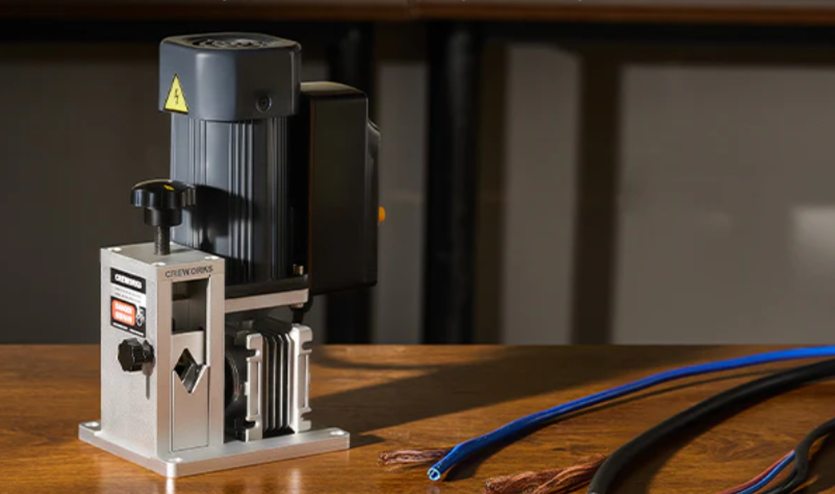
For anyone dealing with more than just a handful of wires, a wire stripping machine quickly becomes worth the investment. These machines range from small, hand-crank models to powerful electric or industrial options that can process large volumes in no time. They not only save time but also reduce the risk of injury and produce consistent, high-quality results.
How to Choose the Right Wire Stripping Method
Your choice really depends on how much wire you have and how often you’ll be processing it. If it’s just an occasional batch from a weekend project, manual stripping tools may be enough. But if you regularly come across scrap wire—whether from electrical work, demolition jobs, or recycling businesses—investing in a wire stripping machine, such as a high-quality Creworks wire stripping machine, pays for itself quickly in saved time and increased profits.
Safety Tips for Wire Stripping
- Protective gear: Always wear gloves to protect against cuts and goggles to shield your eyes from flying bits of insulation.
- Stable workspace: A clean, flat work surface prevents accidents.
- Electrical safety: Never strip live wires. Double-check that all wires are disconnected from power before starting.
- Tool handling: Keep blades sharp and tools maintained to avoid slipping.
Maximizing Profit from Stripped Wire
Once your wires are stripped, don’t just toss them in a bin. Sort by metal type—copper, aluminum, and brass all carry different values. The cleaner and more organized your scrap, the better price you’ll get at the yard. Take time to shop around different scrap yards or recycling centers in your area, as prices can vary. Some buyers even offer premium rates for large quantities or consistent suppliers, so building a relationship with your local scrap dealer can pay off in the long run.
Conclusion
What once looked like a pile of worthless cables can actually be a source of steady extra cash. Stripping wire may take a little effort at first, but the rewards are well worth it. With the right tools, safe practices, and a bit of organization, you can easily turn scrap into profit. So don’t let those old wires collect dust in the corner—strip them, sort them, and start cashing in today.