What Makes a Great Dumpling: Dough, Filling, and Technique
Ask a group of friends to name the best dumplings in town and you will get confident answers, conflicting opinions, and at least one debate about wrappers. That is because a great dumpling is not one thing. It is a chain of small decisions that adds up to a specific kind of bite: tender but resilient dough, a filling that tastes complete, and a cooking method that brings it all together. When people argue about the best dumplings in china town, they are often describing which part of that chain matters most to them.
The wrapper is the first test
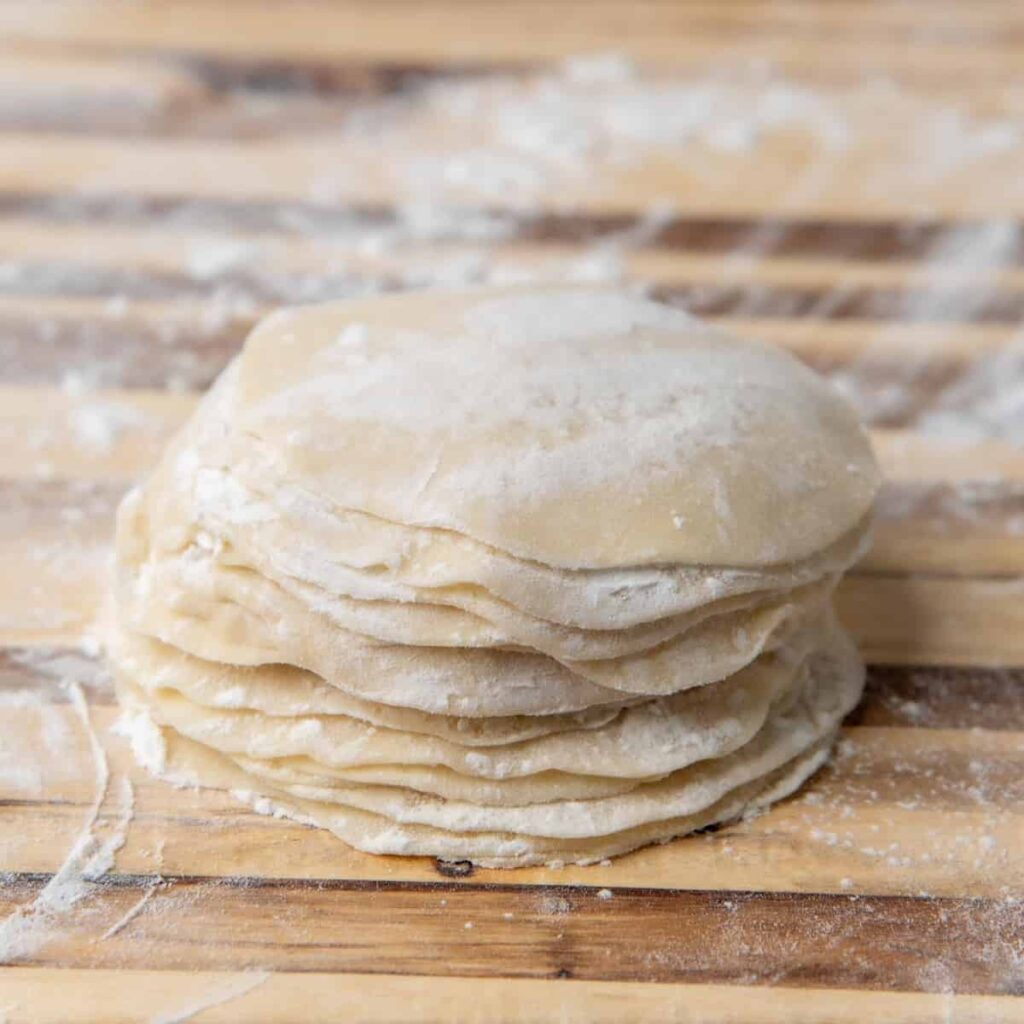
A dumpling wrapper is more than a container. It sets the texture of the first bite and determines whether the filling feels juicy or messy. Thin wrappers can highlight delicate fillings, but they also tear more easily. Thicker wrappers are forgiving and satisfying, yet they can become doughy if the cooking is off or the dough is poorly mixed.
Great wrappers tend to have three qualities at once:
- Elasticity, so the wrapper stretches slightly instead of splitting.
- Tender chew, so it does not feel gummy or raw at the fold.
- Even thickness, so the skirt and pleats cook at the same rate as the belly.
A common sign of a weaker dumpling is a wrapper that is thick at the seams and thin elsewhere. It can lead to undercooked folds or a fragile belly that leaks.
Dough quality comes from hydration and resting
Most people focus on filling, but the dough is where many dumplings succeed or fail. Hydration affects how the wrapper stretches and whether it stays supple after cooking. Resting time matters because it relaxes gluten, making the dough easier to roll and less likely to spring back.
You can often sense good dough even without seeing the kitchen. The wrapper will feel cohesive and smooth, not grainy or brittle. It will also keep its shape on the plate rather than collapsing into a sticky layer, especially in steamed dumplings where the wrapper is fully on display.
Filling should be balanced, not just flavorful
A filling can be intensely seasoned and still feel flat if it lacks balance. Great fillings usually hit a few notes at once: savoury depth, a hint of sweetness, freshness from aromatics, and enough fat to carry flavor without feeling greasy.
Texture matters as much as taste. The best fillings are typically mixed to hold together, but not blended into paste. You want a bite that feels juicy with small pieces that create variation. With pork-based fillings, fat content is part of the experience. With vegetable fillings, moisture management is the trick, since watery veg can turn the interior bland and cause leaks.
Juiciness is a controlled outcome
Juicy dumplings are not accidental. They rely on either natural moisture in the ingredients, added stock or gelatin, or careful mixing that helps the filling retain liquid. When that control is missing, you get either a dry center or an unstable dumpling that bursts and floods the plate.
There is also a difference b/w “wet” and “juicy.” Wet fillings taste diluted. Juicy fillings taste concentrated, with liquid that carries seasoning. A well-made dumpling releases moisture as you chew rather than spilling out all at once.
Pleats are functional, not just decorative
Pleats are easy to romanticize, but they do a job. A strong seal prevents leaks during boiling, keeps the wrapper from opening during steaming, and supports a crisp base during pan-frying. The best pleats feel integrated into the wrapper rather than bunched up into a thick knot.
Look for a seam that is secure without being tough. If the pleated edge is dense and undercooked, it can dominate the bite. If it is too thin, it can open in the pot and lose the filling’s juices.
Cooking method changes what “best” means
Dumplings are one of the few foods where the cooking method dramatically changes the criteria for excellence.
Boiled dumplings reward a wrapper that stays intact and a filling that remains flavorful even when surrounded by water. The surface should be smooth and not slimy, with a wrapper that feels cooked through without turning mushy.
Steamed dumplings put the wrapper front and center. Any flaws in dough or thickness show up immediately. Great steamed dumplings feel light and elastic, with a wrapper that does not stick to itself or tear when lifted.
Pan-fried dumplings are a contrast dish. The top should be tender and the base should be crisp, not oily or burnt. The seal needs to be strong because aggressive heat can force steam pressure into weak spots.
The small details that separate “good” from “great”
Most people can tell when dumplings are decent. The gap b/w decent and memorable is usually a cluster of small wins:
- Filling that tastes complete without relying on dipping sauce to do the work
- Wrapper that stays tender even as it cools
- Consistent size and thickness across a batch
- A clean finish on the plate, with minimal leaks and no greasy puddles
Sauce still matters, but it should be a companion, not a rescue plan. The best dumplings stay satisfying even with a light dip.
How to calibrate your own dumpling preferences
If you want to get b/r at identifying great dumplings, pick one variable to focus on each time. One visit, judge wrapper texture alone. Next, pay attention to filling moisture and seasoning balance. Another time, compare steamed and pan-fried versions of similar fillings.
Over time, your “best” becomes less about hype and more about specific craft choices you can taste. That is also what makes dumpling conversations fun: people are not really arguing about one dish, they are comparing the parts of the craft they value most.