Why Fit Is the Real Luxury in Modern Menswear
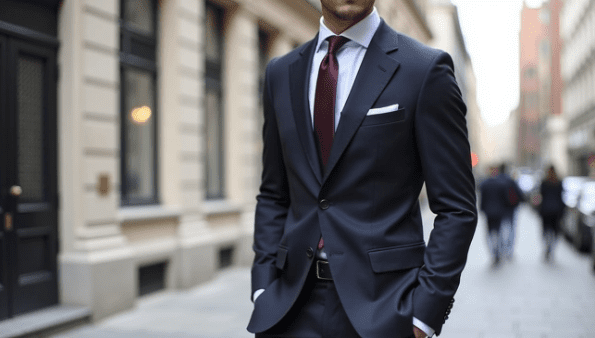
Modern menswear has seen a major transformation in recent years. In the past decade, fast fashion dominated wardrobes, offering quick, affordable clothing that often sacrificed quality. But a change is happening as more men realize that true luxury in clothing isn’t about designer labels or price tags—it’s about fit.
Despite this growing awareness, most models featured in menswear publications today are exceptionally skinny 20-somethings who look more like teenagers than average men. This disconnect creates real challenges for men navigating modern menswear options. While luxury menswear emphasizes timeless design and durable materials, many contemporary styles use less fabric to reduce manufacturing costs, often at the expense of proper fit. Lifestyle performance wear has emerged as a category that combines comfort, flexibility, and performance features with refined esthetics, addressing the reality that comfort has become a baseline expectation, not a luxury.
This piece explores why fit is the ultimate luxury in modern menswear, how to find clothes that actually flatter your body type, and why investing in fewer, better-fitting pieces creates a wardrobe that stands the test of time rather than following fleeting trends.
The Fit Problem in Modern Menswear
Finding clothes that fit well is one of the biggest challenges men face in today’s fashion world. This struggle affects all body types, personal styles, and price points.
Slim fits and unrealistic body standards
Slim fit has taken over menswear in recent years, creating a silhouette that contours to the body for a more modern look. Unfortunately, this style mainly caters to slender body types, leaving many men struggling to find comfortable options. Research shows that the average UK male now has a 43-inch chest and 37-inch waist, measurements poorly accommodated by most slim fit clothing.
The gap between marketing and reality is stark. During the autumn/winter 2023 menswear season, just eight out of 69 shows included a plus-size male model. This limited representation creates unrealistic expectations, as the idealized male shape rarely represents the average man’s body. Many young men also report experiencing body image issues due to these unattainable standards.
Common issues with shirts, trousers, and jackets
Men consistently encounter specific fit problems with their clothing:
- Shirts: Many experience tight collars, sleeves of improper length, or fabric that bunches around the stomach. For athletic builds, visible lines often appear from the armpits to the neckline due to broad shoulders.
- Trousers: Slim-leg pants frequently bunch at the hem for men with certain body types. Finding the right waist-to-hip ratio is challenging since most trousers aren’t designed for athletic physiques.
- Jackets: Shoulder divots are especially common—occurring when the suit’s shoulder pads extend beyond the bicep area. Back collar roll and tight chest areas (creating an “X” shape when buttoned) are other prevalent issues.
How modern menswear brands are responding
Recognizing these challenges, some brands have begun developing “athletic fit” options with more room in the chest, shoulders, and arms while maintaining a tapered waist. Others are investing in sizing technology that exploits customer body data paired with product information to provide more accurate recommendations.
Virtual try-on experiences and digital twins are emerging solutions, though they come with limitations. Brands are also offering multiple sizing recommendations that visualize fit across key measurement points.
All the same, the industry remains nowhere near solving this problem completely. Experts note that human body types are remarkably different, with some menswear companies now offering up to 172 fit variations for a single style.
Fit as a Personal and Cultural Statement
Beyond mere comfort, the way a garment fits speaks volumes about who we are and how we see ourselves. The relationship between clothing and identity runs deeper than most realize.
How fit reflects identity and lifestyle
Clothing functions as a silent language, communicating aspects of identity, personality, and values. The phenomenon of “enclothed cognition” demonstrates how the symbolic meaning of clothing affects cognitive processes. At the time of wearing items associated with intelligence or confidence, performance often improves. For many men, clothing serves as a form of self-identification, lining up outward appearance with inner sense of self. This process goes beyond aesthetics to assert autonomy, values, and place in the world.
Cultural changes in how men dress
The 1930s represented a pinnacle in American menswear. At the time, men realized clothing should conform to natural body lines rather than hide them. This period, 90 years old, established that good clothing should “flatter rather than be conspicuous.” By the 1950s, conformity dominated as the “Ivy League look” emerged, with men prioritizing “fitting in” over individuality.
Contemporary menswear embraces unprecedented diversity and fluidity. Traditional boundaries of masculinity are continuously being challenged as the rigid dichotomies between male and female fashion dissolve. This development reflects larger societal changes toward acceptance and celebration of diverse identities.
The influence of media and fashion icons
Social media has fundamentally changed how men approach fashion. Approximately 33% of British men now reference social media for fashion inspiration, whereas only 21% look to TV and film, and merely 7% consult red carpet events. Online communities have created new group identities. As one observer notes, “I might see myself as a ‘denim head,’ even though there are no denim heads in my physical community.”
Celebrity influence remains powerful. 46% of men purchase clothing items because their style icons wore something similar. This figure rises to 63% among 25-34 year-olds. David Beckham consistently tops style icon lists, with Harry Styles ranking second among younger men (43%) and Idris Elba preferred by those over 35 (59%).
Solutions: How to Find the Right Fit
The experience of finding well-fitting clothing starts with understanding some basics about menswear. Think over what “good fit” means, as it varies between individuals. Clothing should complement your natural body lines, not work against them.
Understanding your body type
Before shopping for clothes, measuring yourself properly is essential. Take measurements of your shoulders, bust, waist, and hips using a flexible measuring tape. Stand straight with arms at your sides and ensure the tape is snug but not tight against your body. These measurements are the foundations for identifying your body shape.
Most men fall into one of several common body types:
- Rectangular: Look for garments that create an illusion of broader shoulders
- Triangle: Choose clothes that balance your proportions
- Inverted Triangle: Select suits that accommodate broader shoulders with a gentle taper
Note that few men fit perfectly into one category—most have a primary shape with secondary characteristics.
Choosing between classic and modern cuts
Modern menswear offers several distinct fit profiles:
Classic fit provides a traditional, relaxed silhouette with generous cuts through the chest and waist, higher rise trousers, and fuller legs. This fit works well for most body types and ages, especially when comfort is a priority.
Slim fit creates a trimmer silhouette with narrower chest and waist, lower rise trousers, and slimmer legs. This contemporary option works best for leaner builds.
Modern fit strikes the balance between classic and slim profiles. With a slightly more fitted silhouette than classic but more room than slim fit, it offers versatility for various body types.
When to go bespoke or made-to-measure
Call it made-to-measure when you want:
- A quicker tailoring process
- A familiar structure with personal adjustments
- Quicker turnaround times (4-8 weeks versus 8-16 weeks for bespoke)
- Value with refined fit
Opt for fully bespoke tailoring when:
- You require a pattern created entirely from scratch
- Your body has unique proportions
- You value unlimited customization options
- You seek the highest expression of craftsmanship
Many men start with made-to-measure and transition to bespoke as their priorities become more defined.
Tips for trying on and evaluating fit
A properly fitting garment should never restrict movement. Perform these simple tests when trying clothes:
For shirts, check that:
- Shoulder seams align with your shoulder bones
- You can comfortably reach overhead
- There’s no pulling across the chest
- The cuff hits just below your wrist
For trousers, ensure:
- No horizontal “whiskers” appear from the crotch
- The waistband allows two fingers of wiggle room
- Side seams and pleats lie flat
For jackets, confirm:
- Enough room under the arms for movement
- No “X” creases when buttoned
- The collar rests gently against your shirt collar
- Sleeve length allows half an inch of shirt cuff to show
Note that fit affects not just appearance but longevity—poorly fitting garments strain faster and break down more quickly.
The Real Value of Fit in a Luxury Wardrobe
In the luxury clothing world, quality materials and craftsmanship usually get the spotlight. However, fit is the life-blood that can turn even simple garments into extraordinary pieces.
Fit as a long-term investment
Properly fitted clothing lasts longer than trendy alternatives, distributing strain evenly across seams and materials. Unlike an expensive designer label on an ill-fitting piece, a well-tailored garment creates a sharp, sophisticated silhouette that off-the-rack items can’t match. To cite an instance, see Alfred Hitchcock—despite being rotund and short, his perfectly fitted suits simplified his shape and improved his proportions substantially.
Why fewer, better-fitting pieces matter
Investing in fewer, quality items yields greater returns than accumulating many more mediocre pieces. Essentially:
- A single well-tailored suit provides more value than five poorly fitted alternatives.
- High-quality pieces with proper fit need less frequent replacement.
- Well-fitted classic pieces allow for versatility in a variety of occasions.
This approach turns off-the-rack clothing into custom-looking pieces through targeted alterations.
How fit enhances the value of premium menswear
Beyond appearance, fitted garments boost confidence. A tailored fit increases comfort and ensures no restriction by ill-fitting clothes, allowing natural movement. Properly fitted premium menswear complements your natural silhouette, highlighting strengths and minimizing problem areas. Above all, note that for the price of one designer piece, you could perfectly fit an entire wardrobe.
Conclusion
Finding clothes that truly fit is perhaps the biggest challenge in menswear today. Throughout fashion history, men have had to traverse changing silhouettes, materials, and styles, yet the fundamental importance of fit remains constant. The disconnect between idealized body types in fashion media and the reality of average men creates genuine frustration for shoppers at all price points.
Men who prioritize fit over fleeting trends or designer labels end up building wardrobes with greater longevity and versatility. A well-fitted garment not only looks better but also feels better, moves naturally with the body, and communicates confidence. The wearer benefits from clothing that expresses strengths while minimizing less flattering aspects of their physique.
Understanding personal body type definitely helps guide the complex landscape of modern menswear options. Whether choosing between classic, slim, or modern cuts, men should focus on how garments work with their natural proportions rather than against them. Made-to-measure and bespoke options are a great way to get perfection, though targeted alterations can revolutionize even off-the-rack pieces into custom-looking garments.
The real luxury in menswear lies not in expensive materials or prestigious brand names but in the harmony between garment and wearer. Quality pieces that properly fit last longer, perform better, and provide much more value than poorly fitted alternatives whatever their price tag. Men who welcome this philosophy find that a curated collection of well-fitting clothes serves them better than a closet full of trendy but ill-fitting options.
After all, clothing represents more than mere fabric—it expresses identity, communicates values, and shapes how others notice us. The difference between looking good and looking exceptional often comes down to one simple factor: fit.
FAQs
1. What is the importance of fit in modern menswear?
Fit is crucial in modern menswear as it enhances comfort, appearance, and longevity of clothing. A well-fitted garment not only looks better but also feels better, moves naturally with the body, and communicates confidence. It’s considered the real luxury in menswear, more important than expensive materials or brand names.
2. How does “modern fit” differ from other fit styles in men’s clothing?
Modern fit is a balance between classic and slim fit styles. It features higher armholes, a fitted chest that follows the torso without clinging, and pants that sit lower on the waist. The jacket slightly “nips” at the waist, and the pants taper through the thighs and calves without being tight, offering a contemporary silhouette suitable for various body types.
3. Why should men invest in fewer, better-fitting pieces?
Investing in fewer, high-quality, well-fitting pieces provides greater value than accumulating numerous mediocre items. Well-fitted garments last longer, require less frequent replacement, and offer versatility across multiple occasions. This approach allows for a more curated and effective wardrobe.
4. How can men determine their body type for better fit?
To determine body type, men should measure their shoulders, bust, waist, and hips using a flexible measuring tape. Most men fall into categories like rectangular, triangle, or inverted triangle. Understanding your body type helps in choosing clothes that complement your natural proportions and create a flattering silhouette.
5. When should a man consider bespoke or made-to-measure clothing?
Consider made-to-measure when you want a more efficient tailoring process with personal adjustments and quicker turnaround times. Opt for bespoke when you require a pattern created from scratch, have unique body proportions, desire unlimited customization options, or seek the highest level of craftsmanship. Many start with made-to-measure and transition to bespoke as their preferences become more defined.