Why Remote Health Monitoring is Essential for Aging Populations
As the global population continues to age, innovative healthcare solutions are becoming increasingly important. One such advancement that has revolutionized senior care is remote health monitoring. By leveraging modern technology, remote health monitoring empowers caregivers, healthcare professionals, and families to provide comprehensive care to aging individuals while promoting independence. Let’s explore why remote health monitoring is essential for aging populations.
Understanding Remote Health Monitoring
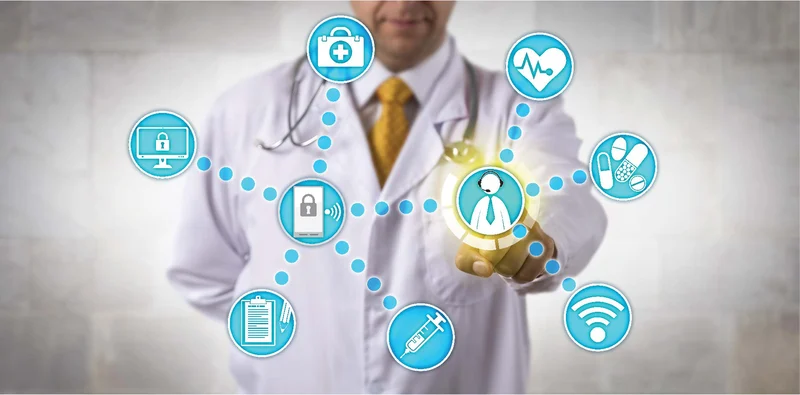
Remote health monitoring involves the use of digital devices and systems that collect and transmit health data from individuals to healthcare providers. This technology allows real-time tracking of vital signs, medication adherence, and overall well-being without requiring seniors to visit medical facilities frequently. Devices such as wearable sensors, smart scales, and blood pressure monitors are common in remote health monitoring systems.
The Growing Need for Remote Health Monitoring in Aging Populations
1. Rising Healthcare Needs Among Seniors
As people age, they become more susceptible to chronic illnesses such as diabetes, heart disease, and respiratory conditions. Remote health monitoring helps manage these conditions by tracking symptoms, identifying early warning signs, and preventing complications before they become severe.
2. Increasing Demand for Independent Living
Many seniors prefer to age in place, maintaining independence in their own homes rather than moving to assisted living facilities. Remote health monitoring supports this goal by providing caregivers and healthcare professionals with real-time data, ensuring seniors receive the care they need without sacrificing independence.
3. Reducing Hospital Readmissions
One of the primary benefits of remote health monitoring is its ability to detect health concerns early. By identifying issues like irregular heart rates, blood pressure fluctuations, or medication non-compliance, healthcare providers can intervene before emergencies arise, reducing the risk of hospital readmissions.
4. Addressing Caregiver Burnout
Family caregivers often experience significant stress and fatigue while caring for elderly loved ones. Remote health monitoring offers peace of mind by providing caregivers with continuous updates, alerts, and insights into the senior’s well-being, making caregiving more manageable.
Key Benefits of Remote Health Monitoring for Aging Populations
1. Improved Chronic Disease Management
For seniors managing conditions such as hypertension, diabetes, or congestive heart failure, remote health monitoring ensures that vital signs are tracked daily. This constant observation allows healthcare providers to adjust treatment plans quickly, improving outcomes.
2. Enhanced Medication Management
Seniors often struggle with complex medication regimens. Remote health monitoring systems can provide reminders, track adherence, and alert healthcare providers when doses are missed, helping seniors stay on track with prescribed treatments.
3. Increased Emergency Response Efficiency
Remote health monitoring devices can detect critical events such as falls, irregular heartbeats, or oxygen level drops. By automatically alerting emergency responders or caregivers, these systems ensure timely intervention during life-threatening situations.
4. Personalized Care Plans
Remote health monitoring generates detailed data that healthcare providers can use to develop individualized care plans. By tracking patterns and trends, doctors can customize treatments to meet each senior’s unique needs.
5. Enhanced Mental Well-being
Isolation and loneliness are common concerns for aging individuals. Remote health monitoring tools that integrate video check-ins, wellness surveys, and social interaction features can provide seniors with a stronger sense of connection, boosting their mental well-being.
Technologies Powering Remote Health Monitoring
1. Wearable Devices
Smartwatches, fitness trackers, and specialized health monitors allow continuous tracking of heart rates, activity levels, and sleep patterns. Seniors can comfortably wear these devices, giving healthcare providers access to real-time data.
2. Smart Home Systems
Smart home technologies integrate sensors, cameras, and alert systems to monitor movement patterns, detect falls, and track medication use. These systems can send automatic alerts to caregivers or emergency responders when needed.
3. Telemedicine Platforms
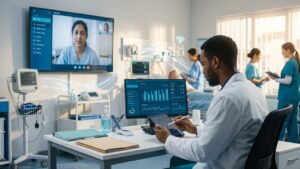
Telemedicine has become a vital tool in senior healthcare, enabling remote consultations, follow-up appointments, and check-ins with healthcare providers without requiring seniors to leave their homes.
4. Mobile Health Apps
Smartphone applications empower seniors to monitor their health by tracking fitness goals, recording symptoms, and scheduling medication reminders. These apps often include user-friendly interfaces tailored to older individuals.
Overcoming Challenges in Remote Health Monitoring Adoption
1. Technological Barriers
Some seniors may face difficulties using new technologies. Offering training programs, simplified devices, and caregiver support can help overcome this barrier.
2. Privacy and Security Concerns
Remote health monitoring systems gather sensitive health data, requiring stringent privacy protocols. Providers must implement secure platforms that comply with healthcare regulations such as HIPAA.
3. Cost and Accessibility
While some remote health monitoring systems may have initial costs, the long-term savings from reduced hospital visits and improved health outcomes often outweigh these expenses. Insurance providers and healthcare programs increasingly cover these technologies, making them more accessible.
4. Care Coordination
Effective remote health monitoring requires clear communication between healthcare providers, caregivers, and patients. Integrating data-sharing platforms ensures all stakeholders remain informed and can collaborate on care decisions.
The Future of Remote Health Monitoring for Seniors
As remote health monitoring technology continues to evolve, it will likely become even more user-friendly and accessible. Innovations such as AI-driven predictive analytics, voice-activated devices, and advanced sensors will further improve the efficiency of these systems. These advancements will not only enhance care for seniors but also reduce healthcare costs by preventing emergencies and improving chronic disease management.
Conclusion
Remote health monitoring has emerged as a crucial solution for supporting the well-being of aging populations. By enabling real-time data collection, enhancing chronic disease management, and promoting independence, remote health monitoring offers peace of mind to seniors and their caregivers alike. As the demand for senior care continues to grow, investing in these technologies can improve outcomes, reduce hospital visits, and foster healthier, happier lives for older individuals.