Common Workplace Electrical Hazards and How Tagging Prevents Them
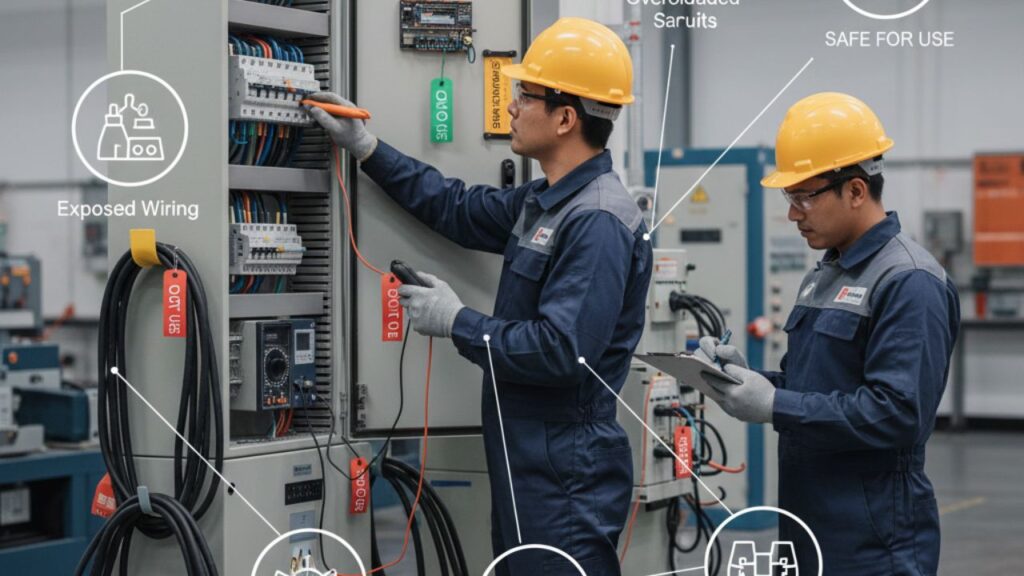
Electrical hazards are one of the leading causes of workplace injuries—and many of them are entirely preventable. From flickering extension cords to overloaded power boards, these risks hide in plain sight. That’s where Electrical Taggings come in. Regular testing and tagging is one of the most effective ways to catch dangerous faults before they cause harm, and Taylors Test & Tag is here to help businesses do exactly that.
Common Electrical Risks You Shouldn’t Ignore
Most electrical accidents don’t happen out of nowhere. They build up over time, often from issues that seem minor at first glance.
Here are the hazards that most commonly put workers at risk:
- Frayed or damaged cords: Worn insulation exposes live wires, creating a direct shock or fire risk.
- Overloaded circuits: Plugging too many devices into a single outlet puts excessive strain on the electrical system.
- Faulty or aging equipment: Machines that aren’t regularly inspected can develop internal faults that aren’t visible to the naked eye.
- Improper use of extension leads: Using extension cords as permanent solutions rather than temporary fixes is a frequent—and dangerous—mistake.
- Wet or damp environments: Water and electricity are a deadly combination, especially in kitchens, bathrooms, and outdoor work areas.
Each of these risks can be identified and addressed through routine Electrical Taggings—a process that involves testing appliances and equipment to confirm they’re safe for use.
How Taylors Test & Tag Helps Mitigate These Risks
Professional inspections take the guesswork out of workplace safety. Taylors Test & Tag provides thorough, on-site testing services that assess every piece of electrical equipment in your workplace—from power tools to kitchen appliances.
Their qualified technicians use industry-standard testing equipment to check for:
- Earth continuity and insulation resistance
- Polarity faults and wiring issues
- Visible damage or signs of wear
Once an item passes inspection, it receives a tag that records the test date and the next due date. If something fails, it’s flagged for repair or removal before it can cause harm. This process creates a clear, documented record of your workplace’s electrical safety—something that’s essential for both compliance and peace of mind.
The Step-by-Step Testing and Tagging Process
Understanding what actually happens during a test and tag visit can help businesses prepare and get the most out of the service.
Step 1 – Visual Inspection: The technician examines each item for physical damage, including cracked plugs, exposed wiring, and burn marks.
Step 2 – Electrical Testing: Using a Portable Appliance Tester (PAT), the technician runs a series of checks to detect any faults that aren’t visible to the eye.
Step 3 – Tagging: Items that pass are tagged with a color-coded label showing the test date and next scheduled inspection. Items that fail are removed from service.
Step 4 – Documentation: A full report is provided, giving businesses a complete record of tested equipment and any identified issues.
With Taylors Test & Tag, this process is quick, minimally disruptive, and fully compliant with Australian safety standards.
Practical Tips for Staying Safe Between Inspections
Professional testing is essential, but it’s not the only line of defense. Here are a few habits that can help maintain a safer workplace day to day:
- Conduct visual checks regularly: Encourage staff to report damaged cords, sparking outlets, or unusual smells immediately.
- Don’t overload power boards: Each outlet and board has a maximum load—stay within it.
- Store equipment properly: Cords that are wrapped too tightly or stored in damp areas deteriorate faster.
- Replace, don’t repair: Damaged cords and plugs should be replaced by a qualified electrician, not patched with tape.
- Keep liquids away from electrical equipment: This simple rule prevents a surprising number of accidents.
Staying vigilant between scheduled Electrical Taggings means hazards are less likely to go unnoticed and more likely to be caught early.
Conclusion
Electrical safety isn’t a one-time checkbox—it’s an ongoing commitment. Faults develop over time, equipment ages, and workplaces change. A proactive safety culture means scheduling regular inspections, acting on issues promptly, and empowering employees to speak up when something doesn’t look right.
Taylors Test & Tag makes it straightforward for businesses to stay compliant and keep their people safe. With professional Electrical Taggings carried out by experienced technicians, you can be confident that every piece of equipment in your workplace meets the required safety standards.