Workplace Electrical Hazards Explained and How Tagging Keeps You Safe
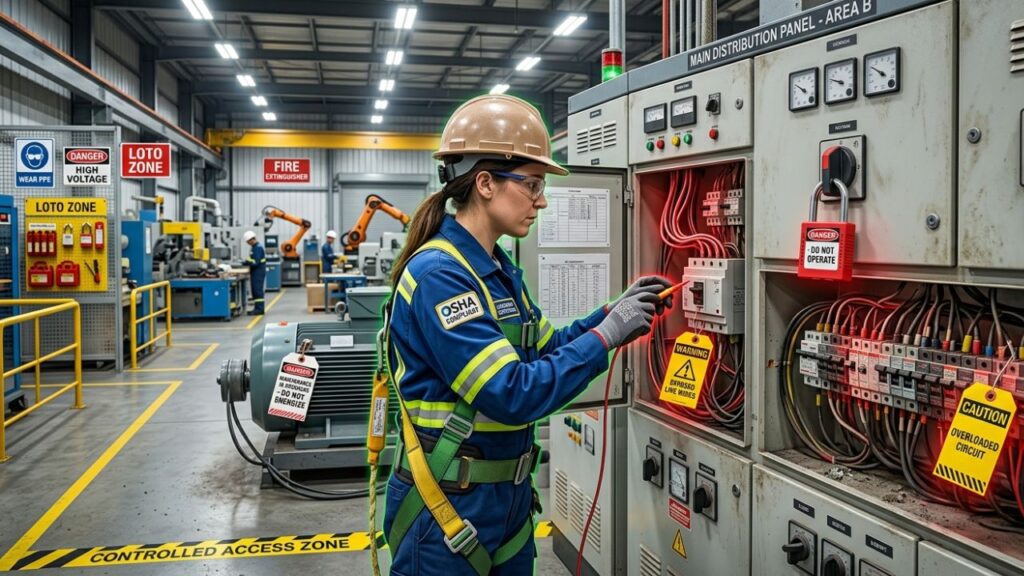
Electricity powers almost every aspect of our modern workday. From the computers on our desks to the heavy machinery on the warehouse floor, we rely on it constantly. Yet, this essential resource carries an invisible danger. Unlike a spill on the floor or a falling object, you cannot always see an electrical hazard before it causes harm.
Because of this hidden risk, prioritizing electrical safety is paramount in any commercial or industrial environment. A single spark from a damaged cord can lead to severe injuries, equipment damage, or even devastating fires. To mitigate these risks, businesses rely on systematic inspection processes. This brings us to the crucial role of electrical tagging, a straightforward but highly effective method used to keep workers safe and ensure all equipment is fit for use.
Common Workplace Electrical Hazards
Understanding the risks is the first step toward a safer environment. Many common hazards are easily overlooked during a busy workday.
Faulty wiring and overloaded circuits
Pushing a power strip beyond its capacity or relying on outdated wiring can cause overheating. This frequently leads to tripped breakers or, in worse cases, electrical fires.
Damaged equipment and insulation
Wear and tear happen. A frayed cord exposing bare wires is a severe shock hazard waiting for an unsuspecting hand.
Improper use of electrical tools
Using indoor-rated extension cords outside or operating electrical tools near water drastically increases the risk of electrocution.
The human element: complacency and lack of awareness
Sometimes, the biggest hazard is ignoring a known issue. Assuming someone else will report a sparking outlet or a malfunctioning drill puts the entire team at risk.
What is Electrical Tagging?
Electrical tagging is the process of visually confirming that a piece of equipment has been tested and deemed safe by a qualified professional.
When a technician performs electrical tagging, they attach a durable tag to the cord of the appliance. This tag displays crucial information, such as the date of the test, the name of the inspector, and the date the next test is due. This acts as a clear, immediate indicator that the tool is safe to operate. Regular inspections and consistent re-tagging are necessary because equipment degrades over time. A tool that passed inspection six months ago might have developed an internal fault today.
The Benefits of Effective Tagging for Workplace Safety
Implementing a rigorous tagging system provides several distinct advantages for any business.
Preventing accidents and injuries
By identifying and removing faulty equipment before it fails, you directly reduce the chance of electric shocks and fires.
Ensuring compliance with safety regulations
Most regions have strict occupational health and safety laws. Proper electrical tagging helps prove that your business is meeting its legal obligations to provide a safe working environment.
Extending equipment lifespan through proper maintenance
Routine testing often catches minor issues before they destroy a machine entirely, saving you money on costly replacements.
Creating a culture of safety
When employees see visible proof that management takes their well-being seriously, they are more likely to report hazards and follow safe operating procedures.
Taylors Test & Tag: Your Partner in Electrical Safety
Managing compliance internally can be overwhelming for business owners. That is where Taylors Test & Tag comes in to simplify electrical safety for your organization.
Taylors Test & Tag offers comprehensive inspection services designed to minimize downtime while maximizing protection. Their trained technicians handle everything from visual inspections to advanced fault testing, ensuring your tools meet the highest safety standards. By partnering with Taylors Test & Tag, you remove the guesswork from your maintenance schedule and build a genuinely safer workplace.
Prioritizing Electrical Safety Through Tagging
Mitigating electrical hazards requires constant vigilance. By understanding the common dangers—like overloaded circuits and frayed cords—you can better protect your team. Proactive safety measures, specifically routine electrical tagging, form the backbone of a responsible risk management strategy.
Do not wait for an accident to happen before taking action. Take the necessary steps toward a safer, fully compliant workplace today by reaching out to Taylors Test & Tag to schedule your next inspection.