How to Mix Modern and Vintage Pieces Without Clashing
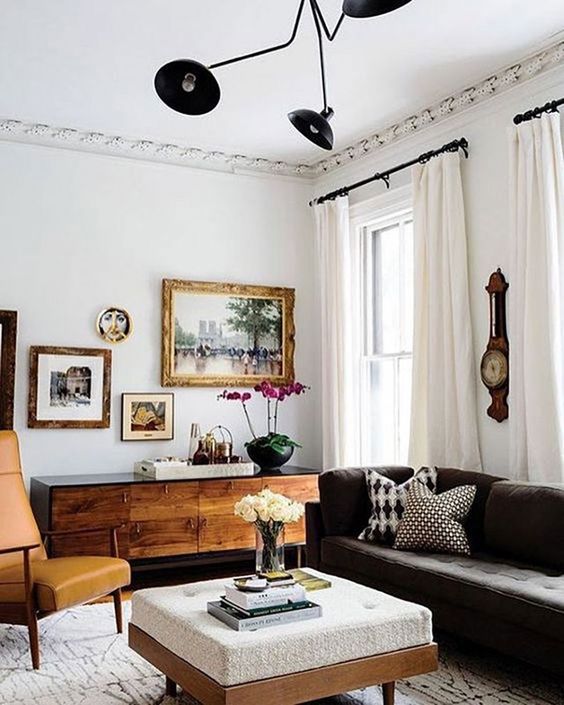
Mixing modern and vintage furniture can make a home feel collected rather than “decorated.” The best results have tension and harmony at the same time: a clean-lined sofa next to a weathered timber side table, or a streamlined dining setting under an older pendant with character. The challenge is avoiding a room that looks accidental, where every piece feels like it belongs to a different story.
A helpful way to think about it is that modern pieces provide structure, while vintage pieces provide soul. Many interiors start with a few contemporary anchors, then layer in older finds for contrast, and that approach often shows up in the foundational silhouettes associated with contemporary furniture melbourne style selections.
Start with a clear “anchor style” per room
You can mix eras, but every room needs a dominant point of view. Decide what the baseline is:
- Mostly modern with a few vintage statements
- Mostly vintage with modern “quiet” supports
- Balanced mix with a consistent palette and material logic
If you skip this step, you are more likely to buy pieces you love individually that don’t cooperate together. A room with an anchor style still has variety, it just has a clearer through line.
Match scale and silhouette before matching eras
The fastest way to make a mix feel wrong is mismatched proportions. A delicate vintage chair can look lost next to an oversized modern sectional. A chunky antique sideboard can overwhelm a slim contemporary dining set.
When comparing pieces, focus on:
- Height: align eye lines where possible (side tables near sofa arms, art centered consistently).
- Visual weight: bulky shapes need breathing room; lighter pieces can cluster closer.
- Legs vs block forms: leggy items feel airy; blocky items feel grounded.
If scale works, the “era gap” becomes a feature instead of a problem.
Use materials as a bridge
Materials are your best unifier because they read before style does. A modern room can accept vintage effortlessly if you repeat the same material families across pieces.
Useful bridges include:
- Timber tones (warm oak with warm oak, walnut with walnut, mixed woods with a shared undertone)
- Metals (repeat black metal twice, or brass twice, rather than using every finish once)
- Upholstery textures (bouclé, leather, linen blends) that can sit across old and new silhouettes
You do not need perfect matches. You need believable relationships, like cousins rather than twins.
Create cohesion through repetition, not sets
One common mistake is trying to “match” everything. Another is refusing to repeat anything, which can make a space look scattered. The sweet spot is repetition with variation.
Aim to repeat:
- A shape (curves, arches, square edges)
- A finish (matte black, brushed metal, mid-tone timber)
- A texture (ribbed glass, cane, wool)
- A color (even small accents like cushions or art)
A room looks intentional when your eye can find the same idea in multiple places, even if the pieces come from different decades.
Let one era lead in each vignette
Within the same room, you can create smaller “vignettes” where one era takes the lead. For example:
- A vintage console with modern art above it and a contemporary lamp
- A modern sofa with a vintage coffee table and one antique accent chair
- A modern bed with vintage bedside tables and modern lighting
This keeps the mix readable. Instead of every object competing, each grouping has a clear hierarchy.
Use rugs, art, and lighting to blend the story
Soft furnishings and decor are the glue that helps mixed furniture feel cohesive.
- Rugs: A rug can connect pieces that don’t naturally match by pulling colors together and setting one shared base. Vintage rugs also add pattern that modern furniture sometimes lacks.
- Art: Art is a bridge b/w eras because it’s often less tied to furniture trends. Use it to echo colors or shapes found across the room.
- Lighting: Lighting sets the mood and can “translate” b/w styles. A contemporary pendant can modernize a vintage setting, while an older lamp can soften a modern room.
If your furniture feels slightly disconnected, these elements usually fix it faster than replacing a big item.
Common clash points and how to avoid them
A few issues show up repeatedly when mixing modern and vintage:
- Too many statement pieces: Limit high-character items per room. One dramatic vintage cabinet and one bold contemporary chair is often enough.
- Inconsistent timber undertones: If woods fight, keep them separated by distance or unify them through a rug and repeated metal finish.
- Mixed metal chaos: Pick one dominant metal and one supporting metal. More than two starts to look unplanned.
- Everything pushed to the walls: Give key pieces space so the contrast feels curated, not cramped.
The goal is not to make everything blend. It’s to make the differences feel deliberate.
A simple checklist before you add a new piece
Before bringing something home, do a quick test against what you already own:
- Does the scale make sense next to my existing anchors?
- Can I name two things it relates to in the room (material, color, shape, texture)?
- Will it create a “vignette” that makes sense, or does it introduce a new theme?
- Can it work in at least two spots if I rearrange later?
If you can answer those confidently, the piece is more likely to integrate well, even if it’s from a completely different era.