Why Forklift Refresher Training Matters in Australian Workplaces
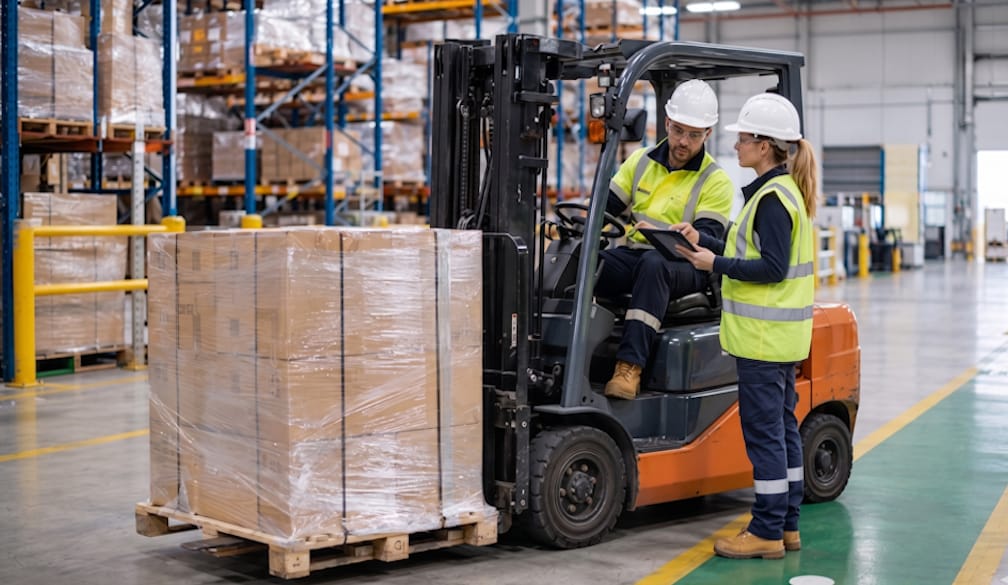
Forklifts are essential in warehouses, construction sites, factories, transport yards and distribution centres across Australia. While experienced operators may handle them daily, skills can decline over time if safe operating habits are not regularly reviewed. Changes in workplace layout, equipment type, load requirements or safety procedures can also create new risks. This is why many businesses consider structured training such as a Forklift (LF) Refresher course as part of their broader approach to workplace safety and operational consistency.
The Role of Forklifts in High-Risk Work Areas
Forklifts are powerful machines designed to move heavy loads in confined and busy environments. They often operate near pedestrians, racking, delivery vehicles and other mobile equipment. Even a minor error in judgement can result in damaged stock, injured workers or disrupted operations.
Because forklifts are used in dynamic workplaces, operators must remain alert to changing conditions. Good visibility, correct load positioning and safe speed control all play a role in reducing risk. Regular refresher training helps reinforce these practices before unsafe habits become routine.
Why Operator Skills Need Reviewing
Holding a forklift licence or high-risk work licence does not mean an operator will automatically maintain the same level of skill forever. In many workplaces, operators become familiar with repeated tasks and may begin to take shortcuts. Overconfidence can be just as risky as inexperience.
Refresher training gives operators an opportunity to revisit key safety principles, ask questions and correct small issues in technique. It can also help identify gaps caused by long periods away from forklift operation or changes in workplace procedures.
Common Safety Issues Refresher Training Can Address
Forklift incidents are often linked to preventable factors. These may include travelling too fast, carrying unstable loads, turning sharply, poor communication with pedestrians or failing to complete pre-start checks.
A refresher course can bring attention back to these everyday risks. Operators may review safe load handling, hazard awareness, parking procedures, operating on ramps and working around people. These practical reminders can support safer decision-making during regular shifts.
Supporting Workplace Compliance Awareness
Australian workplaces have responsibilities under work health and safety laws to manage risks connected with plant and equipment. While refresher training does not replace licensing requirements, it can support a business’s duty to provide information, instruction, training and supervision where needed.
For employers, documenting refresher training can also show that safety is being actively managed. This is particularly useful in workplaces with multiple operators, changing tasks or high forklift traffic.
Benefits for Experienced Operators
Refresher training is not only for operators who are struggling. Experienced workers can benefit from reviewing updated practices, discussing unusual site scenarios and checking whether their current methods still align with safe operating standards.
It can also help operators feel more confident when returning to forklift work after a break. For workers moving into a new site or using different equipment, refresher training may provide a valuable reset before regular duties begin.
When Businesses Should Consider Refresher Training
There is no single situation where refresher training becomes useful. It may be considered after an incident or near miss, when a worker has not operated a forklift for some time, when new equipment is introduced, or when workplace traffic conditions change.
Some businesses also schedule refresher training periodically as part of their internal safety systems. This proactive approach can help reduce complacency and keep safe operating procedures front of mind.
Building Safer Forklift Practices
Forklift safety depends on more than one licence, one induction or one policy document. It requires consistent behaviour, clear communication and ongoing attention to workplace hazards. Refresher training can support these goals by helping operators revisit essential skills and apply them more confidently in real working environments.
For Australian workplaces that rely on forklifts every day, keeping operator knowledge current is a practical step towards safer, more efficient operations.