How to Plan Affordable Skip Bin Hire for Everyday Waste
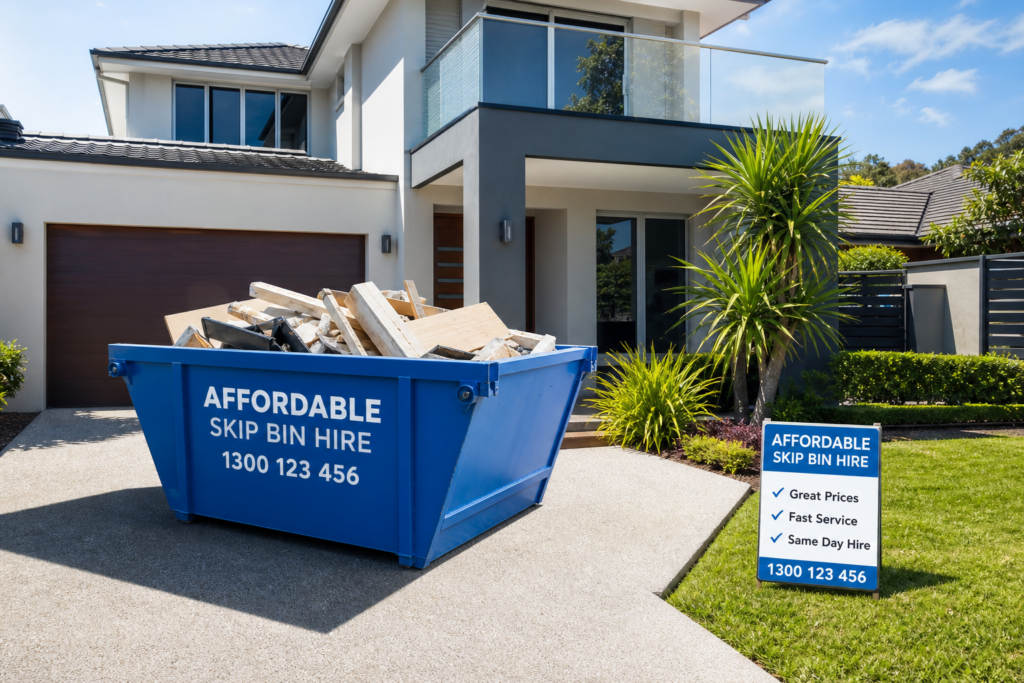
Managing waste properly is an important part of any renovation, clean-up, move, or small construction project. For many Australian households and businesses, skip bins offer a practical way to keep rubbish contained and reduce repeated trips to the tip. When comparing services such as Cheapest Skip Bin Hire, it helps to understand what affects cost, bin size, waste type, and local disposal rules. A little planning can make the process smoother and help avoid unnecessary fees.
Why Skip Bins Are Commonly Used
Skip bins are useful because they allow large volumes of waste to be collected in one place. This is especially helpful during home renovations, garden clean-ups, deceased estate clearances, and office strip-outs.
They also support safer worksites. Loose rubbish can create trip hazards, attract pests, or block access areas. A skip bin keeps waste organised until it is ready for collection.
What Affects Skip Bin Pricing
The price of skip bin hire can vary depending on several factors. Bin size is one of the most obvious. A small bin for household clutter will usually cost less than a larger bin needed for bricks, soil, or construction waste.
Location also matters. Disposal fees, transport distance, and council requirements can differ across suburbs and regions. The type of waste being removed is another key factor, as heavy materials or restricted items may require special handling.
Choosing the Right Bin Size
Selecting the correct bin size is one of the easiest ways to manage costs. A bin that is too small may require a second booking, while a bin that is too large may mean paying for unused capacity.
Common Waste Categories
General household waste may include furniture, boxes, old toys, and non-hazardous items. Green waste usually includes branches, grass clippings, leaves, and garden debris. Renovation waste can include timber, tiles, plasterboard, and fittings.
Heavy waste such as concrete, bricks, soil, and rubble is often treated separately because it affects transport weight and disposal methods.
Items That May Need Special Care
Not everything can be placed in a standard skip bin. Paint, asbestos, batteries, chemicals, gas bottles, tyres, and some electrical items may require separate disposal.
Checking accepted materials before booking helps avoid delays and additional charges. It also supports responsible waste handling, which is increasingly important across Australian councils and communities.
How Planning Can Reduce Waste Costs
Sorting waste before the bin arrives can make disposal easier. Keeping green waste separate from mixed rubbish, for example, may help with recycling or processing.
It is also useful to estimate the amount of waste realistically. Flattening boxes, breaking down bulky items, and loading the bin evenly can improve space use without exceeding fill limits.
Responsible Waste Disposal Matters
Affordable skip bin hire is not only about finding a low price. It also involves choosing the right size, understanding waste restrictions, and using the bin efficiently. Good planning reduces mess, saves time, and supports better disposal outcomes for homes, businesses, and worksites across Australia.