Aromatherapy Essentials: Essential Oils
The practice of aromatherapy has been embraced worldwide as a natural approach to wellness and mental well-being. Central to this practice are essential oils – the potent and aromatic compounds extracted from plants. The versatility and efficacy of these oils have made aromatherapy a beloved ritual for those seeking holistic paths toward a balanced lifestyle. Understanding the complexity, benefits, and sourcing of essential oils is fundamental for anyone interested in integrating aromatherapy into their daily routine.
Understanding Essential Oils
At their core, essential oils are concentrated hydrophobic liquids containing volatile aroma compounds from plants. These oils are typically extracted through steam distillation, cold pressing, or resin tapping. The highly concentrated nature of essential oils allows for a broad spectrum of uses including mood enhancement, stress relief, and even antiseptic properties. Knowing the properties of different oils is crucial for effective use in aromatherapy treatments.
The Rise of Aromatherapy
Aromatherapy has witnessed a resurgence in recent years, as more individuals seek out non-invasive, natural remedies for everyday ailments. The holistic approach of aromatherapy, combined with the ability of essential oils to influence the limbic system, means that they can have profound effects on both the body and the mind. Whether used in massage, diffusers, or personal care products, the practice caters to a wide range of preferences and needs.
Choosing High-Quality Essential Oils
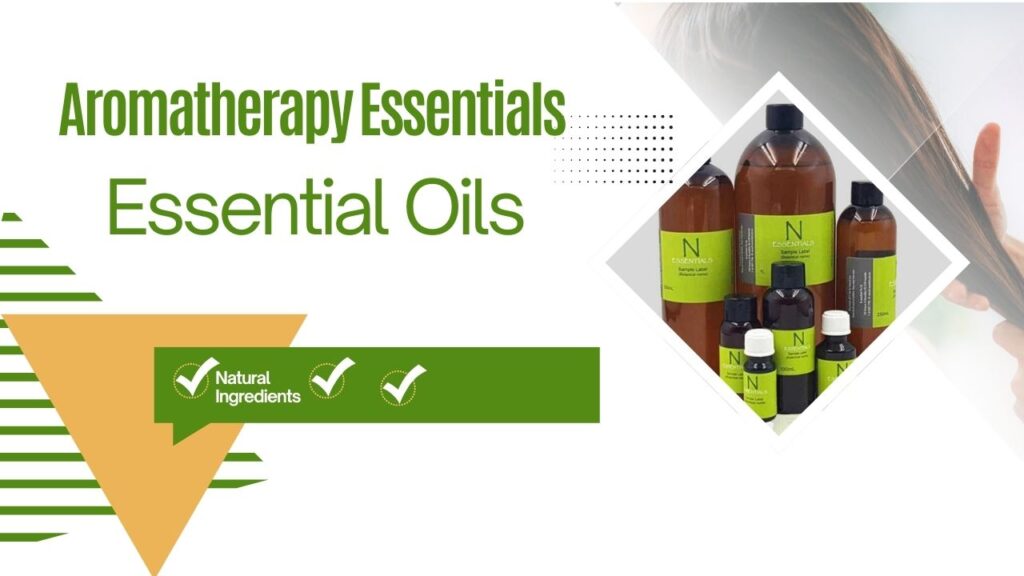
Quality is paramount when it comes to essential oils. High-grade oils retain more of their natural benefits and are generally safer to use. Discerning users often turn to reputable sources such as Australian Wholesale Oils for their aromatherapy needs. Suppliers committed to quality ensure that the therapeutic aspects of their oils are preserved, offering customers a premium aromatherapy experience.
The Benefits of Essential Oils in Aromatherapy
Essential oils are more than just pleasant scents; they serve as a cornerstone for many therapeutic practices. Lavender is renowned for its calming effect, making it a frequent choice for those seeking relaxation and a peaceful slumber. Peppermint, meanwhile, is often used for its invigorating properties and potential to alleviate headaches. With a multitude of oils available, users can find natural solutions to a variety of concerns.
The Sustainable Sourcing of Essential Oils
As the popularity of essential oils grows, so does the importance of sustainable harvesting and production practices. Consumers are increasingly conscious of the ecological footprint of their purchases. Ethical suppliers focus on sustainability and traceability, ensuring that their oils are produced with respect for the environment and the communities involved in the cultivation and harvesting processes.
Essential Oils and Personal Wellness
Incorporating essential oils into personal wellness routines is relatively straightforward and can be tailored to individual preferences. Whether through the simple act of inhaling the aroma from a bottle or more complex methods like creating personalised blends for topical applications, these oils offer flexibility in their use. Their versatility is part of what makes essential oils so indispensable to wellness enthusiasts.
The Art of Blending Essential Oils
Blending essential oils is a nuanced and creative process. Combining oils not only allows for the creation of unique fragrances but can also enhance the therapeutic properties of individual oils. Understanding the notes of each oil and how they interact is key to crafting a successful blend. This personalisation aspect appeals strongly to those who embrace aromatherapy as part of their lifestyle.
Global Influence and Local Impact
The global demand for essential oils has influenced local markets and industries. In Australia, local plant species such as eucalyptus and tea tree have become sought after for their distinctive properties. The Australian climate and biodiversity contribute to the unique potency of the Australia essential oil market, distinguishing its offerings from those of other regions.
Certifications and Organic Options
With a growing emphasis on organic living, many consumers seek out certified organic essential oils. These certifications indicate that the plants were grown without synthetic pesticides and fertilisers, ensuring a pure product. Suppliers who offer these options often undergo rigorous processes to obtain certification, providing an added layer of trust for consumers.
Education and Safety in Aromatherapy
As with any therapeutic practice, education is crucial. Safe use of essential oils involves understanding dilution ratios, potential skin sensitivities, and the correct methods of application. It’s essential for users to inform themselves or seek advice from professionals in the field to ensure a safe and beneficial aromatherapy experience.
The Future of Essential Oils and Aromatherapy
The trajectory of essential oils and aromatherapy points to a continued integration into holistic health practices. Innovation in extraction methods and blend formulations, coupled with an increase in research on the efficacy of aromatherapy, promises a bright future for essential oils within the wellness sphere.
Conclusion
Essential oils stand as a testament to the power of nature’s remedies. Whether pursuing mental clarity, physical relief, or simply a natural fragrance for one’s living space, essential oils offer a myriad of possibilities. With an approach grounded in quality, sustainability, and education, aromatherapy can be a beneficial and enriching addition to one’s personal wellness journey.