The Rising Importance of Groundwater Testing in Environmental Project Management
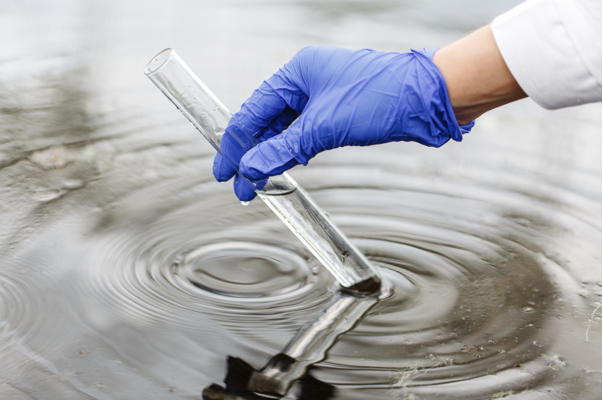
As more nations across the globe start to focus on environmental protection, groundwater testing is starting to become critical as a component of sustainable project management. So, how can environmental projects benefit from this activity? This post will look into that.
Why Groundwater Matters in Environmental Projects
Groundwater is critical for humanity’s survival. It provides drinking water for nearly 50% of the world’s population, and about 43% of all the water for irrigation comes from groundwater. Thus, approximately 2 billion people are dependent on groundwater worldwide.
Not only that, but groundwater also influences soil quality, as well as safety in construction projects and the maintenance of habitat. And therefore, contaminated groundwater can not only harm an individual or a small group of people, but also entire areas, localities, or regions.
Thus, the safety of groundwater is essential in the maintenance of environmental safety, and the role of water testing for groundwater cannot be understated.
What Groundwater Testing Involves
Many contaminants in water are not easily detected. They can even be undetectable to the senses. Therefore, water testing is urgent, especially when considering the safety of groundwater.
So, what types of groundwater tests exist? Here are a few of them:
| Groundwater Test Types | What Are They Effective for |
| pH tests | They are useful in discovering pollutants with highly acidic and alkaline effects. |
| Heavy metal tests | Analyzing water samples to determine the presence of heavy metals. |
| Nitrate tests | Analyzing the concentration of nitrates in groundwater testing |
| Salinity and Conductivity tests | They are useful for groundwater tests in coastal areas. |
Table: Groundwater Testing Types and Their Effects
Moreover, different techniques are used for groundwater testing as well. These different techniques include:
- Borehole sampling
- Slug tests
- Observation wells
…and so on.
Role in Project Lifecycle and Compliance
In environmental project management, groundwater testing has become increasingly relevant for compliance rules as well as to ensure sustainability throughout the lifecycle of a project.
Environmental Impact Assessment (EIA) is a comprehensive evaluation that evaluates the consequences of a project on the environment. Since it assesses the impact that a project can have on the environment, contaminants within water can significantly impact the results of an EIA test.
Moreover, as groundwater testing evaluates the level of pollutants within groundwater, which can significantly impact entire regions, it becomes an essential part of the EIA.
Also, for building construction projects, the availability of construction permits can be essentially dependent on the groundwater quality. If a project is started on land that has contaminated groundwater, the project is pushing towards a health hazard. Therefore, testing groundwater is an essential part of sustainability assurance throughout a project’s life cycle.
The same can also be said about the relevance of groundwater testing to observe possible contamination risks before an excavation or drilling project. In these cases, if the polluted groundwater gets spilled due to the impact of the excavation, it can have major repercussions on the environment.
Hence, groundwater testing can be essential in environmental project management of different projects, including construction or drilling projects.
Supporting Long-Term Sustainability Goals
Also, groundwater testing can be an indispensable support for long-time sustainability goals that facilitate the environmental project management objectives. Once groundwater testing is completed, it can help prevent aquifer depletion and mitigate chemical leaching.
Alternatively, in the case of projects such as construction, groundwater testing being done can lead to the project planning undertaking an adaptive project design. An adaptive project design implies that the building project essentially proceeds in a way that supports the environment. Essentially, working with the environment, instead of working against it.
And this can improve the project’s impression on people, such as future tenants and the ones living in surrounding areas. This is especially crucial for high-profile development projects. These projects are always in the public eye and the way they are received can often depend on their approach to safeguarding environmental well-being.
Thus, it is not only supporting environmental protection in the present, it is also focusing on the long-term goals. A construction project that has worked favouring environmental defense will ensure sustainability in the long-run.
Summing Up
In the modern times, when most countries are focusing on activities to avoid damage to the environment, groundwater testing has gained a significant level of attention. As groundwater still remains among the most significant sources of water for the majority of the global population, testing its condition has become a supporting tool in environmental safeguarding.
Planning an Environmentally-friendly Project? Here’s Why You Should Consider Groundwater Testing!
Are you looking to establish your planned project as an environmental project? Whether that is the case or not, before the project starts, it is absolutely necessary that you get the groundwater condition tested! This will not only help your project be sustained and be safe for the future, it also ensures that your project is not risking any long-term consequences of inaction.