Hair Transplant London: The Latest Techniques for Natural Results in 2025
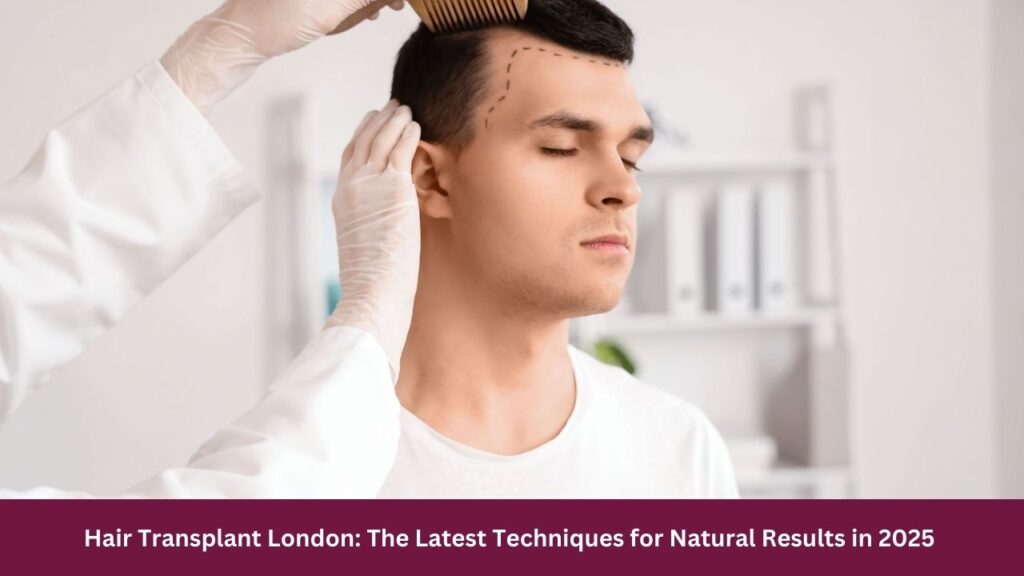
London has become a premier destination for hair transplant procedures, offering cutting-edge techniques that deliver remarkably natural-looking results. The city’s specialized clinics employ advanced methods like Follicular Unit Extraction (FUE) and Direct Hair Implantation (DHI) that minimize scarring and recovery time while maximizing aesthetic outcomes.
Modern hair restoration techniques in London prioritize creating hairlines that appear completely natural by precisely matching the angle, direction, and density of your existing hair. These procedures carefully consider facial proportions and future hair loss patterns to ensure results that remain natural-looking for years to come.
The latest innovations in London’s hair transplant industry include platelet-rich plasma therapy as complementary treatments, robotic-assisted transplants for enhanced precision, and specialized techniques for different hair types. These advancements have transformed hair restoration from obvious procedures to subtle, undetectable solutions that restore not just hair, but confidence.
Exploring Hair Transplant Techniques in London
London’s hair restoration clinics offer cutting-edge procedures that address various stages of hair loss with impressive results. The techniques available range from traditional methods to innovative approaches, all designed to provide natural-looking hair with minimal recovery time.
FUE: The Premier Choice for Hair Restoration
Follicular Unit Extraction (FUE) has become the gold standard for hair transplantation in London’s top clinics. This minimally invasive procedure involves extracting individual hair follicles from the donor area, typically the back of the head, using specialized micro-punches.
The extracted grafts are then carefully placed into tiny incisions in the balding areas. Each graft contains 1-4 hairs, allowing surgeons to create a natural hairline and density pattern.
FUE offers significant advantages over older techniques:
- Minimal scarring: Only tiny dot scars remain at extraction sites
- Faster recovery: Most patients return to work within 2-3 days
- Natural results: Meticulous placement ensures hair grows in natural directions
Many London clinics now offer advanced FUE variations, including sapphire blade technology for more precise incisions and better graft survival rates.
FUT: Understanding Traditional Methods
Follicular Unit Transplantation (FUT), also known as the strip method, remains a viable option for certain patients. This technique involves removing a strip of skin from the donor area, typically at the back of the head, from which individual follicular units are harvested.
The primary difference with FUT is the harvesting approach:
|
FUT Characteristic |
Details |
|
Donor extraction |
Single strip removed surgically |
|
Scarring |
Linear scar that can be concealed by surrounding hair |
|
Graft yield |
Often provides more grafts in a single session |
|
Recovery time |
Typically 10-14 days before returning to normal activities |
Doctor Lemierre and other London specialists may recommend FUT for patients requiring maximum graft counts or those with limited donor supply. The technique has evolved with improved suturing methods that minimize visible scarring.
Innovations in Hair Transplantation
London clinics lead with advanced technologies that enhance traditional transplantation methods. Photomodulation therapy uses specific light wavelengths to stimulate cellular activity in transplanted follicles, potentially improving graft survival rates.
Robotic hair transplantation systems have gained traction in premium London clinics. These systems use AI-driven algorithms to identify optimal hair follicles for extraction with unprecedented precision.
Platelet-Rich Plasma (PRP) treatments frequently complement transplantation procedures. This approach involves:
- Drawing the patient’s blood
- Processing it to isolate growth factors
- Injecting the concentrated solution into the scalp
The combination of transplantation with these supplementary techniques creates comprehensive treatment plans. Many London specialists now employ custom-designed implantation tools that reduce trauma to the scalp and improve the angle and direction of implanted hairs for truly natural-looking results.
Achieving Natural Results and Patient Satisfaction
The success of hair transplantation in London hinges on creating results that appear entirely natural while ensuring patients are satisfied with the restoration process. Clinics across London have refined their approaches to deliver outcomes that seamlessly blend with existing hair.
Tailoring the Procedure to Each Patient
Hair transplant specialists in London recognize that each case of Alopecia presents unique challenges requiring individualized solutions. The consultation process involves comprehensive assessment of hair loss patterns, donor area availability, and facial structure to determine the most appropriate approach.
Modern clinics employ an individual approach when designing hairlines, considering factors such as age, ethnicity, and face shape. This personalization ensures the final result complements the patient’s features naturally.
Both FUE (Follicular Unit Extraction) and FUT (Follicular Unit Transplantation) techniques can achieve excellent outcomes when matched correctly to the patient’s needs. The key difference lies in how hair follicles are harvested and the resulting scarring profile.
London surgeons often create slightly irregular hairlines rather than perfectly straight ones, as this mimics natural growth patterns. This attention to detail significantly contributes to patient satisfaction rates.
Post-Procedure Care for Optimal Outcomes
Proper aftercare is crucial for maximizing hair growth following transplantation. London clinics typically provide comprehensive post-operative care instructions tailored to each patient’s specific procedure.
The initial recovery period requires careful handling of the recipient area to protect newly implanted follicles. Patients must follow precise washing protocols and avoid certain activities for the first 7-14 days.
Most London hair transplant centers offer follow-up appointments at regular intervals to monitor progress and address any concerns. These checkpoints allow surgeons to assess healing and provide guidance on managing expectations during the growth cycle.
Medication may be prescribed to enhance results, with many clinics recommending a combination of topical solutions and oral supplements. These treatments can stimulate hair growth and strengthen existing follicles surrounding the transplanted area.
Patient satisfaction correlates strongly with education about the timeline for visible results. Understanding that full natural results typically emerge 12-18 months post-procedure helps manage expectations effectively.