How Stand-Up Comedy Styles Differ From Comic to Comic
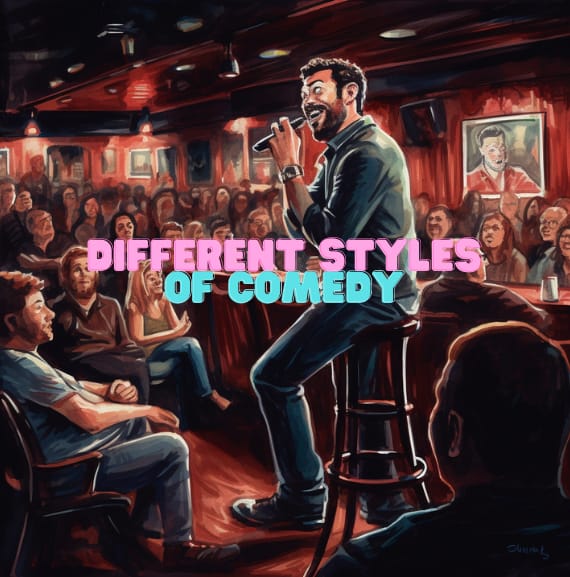
Stand-up comedy can look simple from the audience’s side. One person walks on stage, picks up a microphone, and starts talking. But the way comedians build laughs can be dramatically different. Some work from sharp observations, some tell winding stories, and others rely on tone, character, or real-time audience interaction. Even when two comics cover similar topics, their style can make the experience feel completely different.
That range is one reason audiences often notice big differences across australian stand up comedians, where performance style can shift from quick observational punchlines to slower storytelling, crowd work, or character-driven delivery depending on the comic and the room.
Why style matters in stand-up
Comedy style is more than a personal quirk. It affects how a comedian structures a set, connects with an audience, and controls energy in the room. It also shapes what kind of crowd responds best.
A fast-paced comic may thrive in a noisy room where momentum matters. A storyteller may need more patience from the audience before the payoff lands. A deadpan performer may get bigger laughs from understatement than another comic would get from shouting or high energy.
Style is not about whether someone is funny in a general sense. It is about how they deliver funny.
Observational comedy focuses on shared recognition
Observational comedy is one of the most familiar styles because it starts with everyday experiences. The comic points out something common, slightly absurd, or strangely universal, then pushes that recognition into a joke.
This style often works because the audience feels included right away. They are not being asked to follow a big fictional setup or understand a niche reference. They are being invited to say, “Yes, that is exactly what that feels like.”
Observational comics often rely on:
- short setups
- quick punchlines
- relatable topics
- a strong sense of timing
It can seem effortless when done well, but it depends heavily on precision. A small change in wording can weaken the whole joke.
Storytelling comedy builds laughs more gradually
Storytelling comics often take a longer path to the laugh. They may describe an event, a misunderstanding, a family interaction, or an escalating personal disaster, letting the humor build through detail and pacing.
This style tends to feel more conversational and immersive. The audience is not just reacting to isolated punchlines. They are following a chain of events and enjoying how the comic shapes the journey.
Strong storytelling comedy often includes:
- clear scene-setting
- deliberate pacing
- strong callbacks
- a satisfying payoff after buildup
Because it takes longer to unfold, this style depends on confidence and control. The audience needs to trust that the comic is taking them somewhere worth going.
Deadpan comedy changes the energy completely
Deadpan comedy works through restraint. Instead of signaling that a joke is coming, the comic may deliver absurd material in a flat, calm, or emotionally neutral way. That contrast is what creates the laugh.
This style can make even ridiculous ideas sound oddly believable. It often creates a different type of audience response too, less explosive at first, but sometimes deeper because the laugh arrives a beat later.
Deadpan performers usually rely on:
- understatement
- precise phrasing
- controlled facial expression
- long pauses or stillness
It is a style that leaves very little room for wasted words. If the delivery is too loose, the effect disappears.
Crowd work depends on spontaneity
Some comedians use a lot of written material. Others lean heavily into crowd work, which means interacting directly with the audience and building jokes from what people say or how they react.
Crowd work feels different because the audience can sense the risk. The moment is unfolding live, and nobody fully knows where it will go. That unpredictability can make the room feel more electric.
A comic who uses crowd work well usually needs:
- fast listening
- quick improvisation
- confidence under pressure
- the ability to stay playful without losing control
It can look casual from the outside, but it demands a high level of skill. The comic has to respond in real time while still shaping the interaction into comedy.
Character and persona-driven comedy create a distinct voice
Some comedians are funny partly because of the perspective they bring to the stage. Their humor is tied to a strong persona, whether exaggerated, awkward, hyper-confident, highly cynical, or deliberately odd.
This does not always mean playing a fictional character. Often it means performing a heightened version of oneself. The audience begins to understand the comic’s worldview, and the jokes become funnier because they are filtered through that lens.
This style often depends on:
- consistency of voice
- strong point of view
- memorable phrasing
- commitment to the persona
A well-defined persona can make familiar topics feel new because the audience is hearing them through a distinct comic identity.
High-energy and low-energy comics use the room differently
Some comedians dominate the room with movement, vocal variation, and visible momentum. Others stay still, speak softly, and let the jokes do the work. Neither approach is inherently b/r. They simply create different kinds of tension and release.
High-energy styles often feel immediate and contagious. Low-energy styles can feel more surprising because the laugh sneaks up on the room. Audience expectations matter here too. A quiet comic can be hilarious precisely because they refuse to perform “big.”
Energy level affects:
- pacing
- attention
- laugh spacing
- how transitions feel b/w jokes
It is one of the clearest ways two comics can feel completely different even when both are effective.
Most comedians blend more than one style
In practice, few stand-up performers fit neatly into one box. A comic may use observational material, shift into a story, then break the tension with crowd work. Another may have a deadpan delivery but still rely on highly structured writing.
That blend is often what makes a performer memorable. Style in stand-up is less like a category label and more like a toolkit. The comic chooses what fits their voice, their material, and the kind of room they are playing.
What audiences usually remember most
People do not always leave a comedy show remembering exact joke wording. They often remember how the comedian felt to watch. Was the set sharp, relaxed, unpredictable, personal, chaotic, or precise? That response comes largely from style.
The biggest difference from comic to comic is not just what they talk about. It is how they create rhythm, tension, and surprise. That is what makes stand-up such a varied live form, even when it starts with the same basic setup: one person, one microphone, and a room full of people waiting to laugh.