Is MagSafe Faster Than Traditional Wireless Charging?
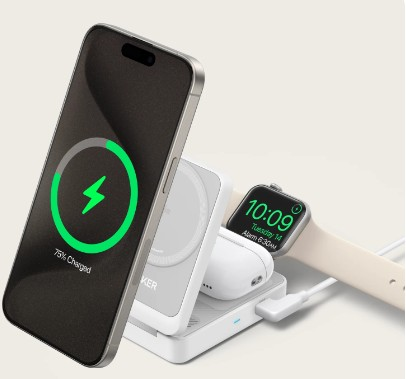
Apple’s innovative MagSafe wireless charging improves iPhone charging efficiency and dependability. MagSafe adds perfectly aligned magnets to the iPhone’s charging coil when used with compatible chargers to improve wireless charging. Since the iPhone 12, MagSafe has evolved. Due to its high-speed compatibility and foldable, 3-in-1 form, Anker’s MagGo Wireless Charging Station is the perfect complement to Apple’s MagSafe. We will explore MagSafe, its benefits over other wireless charging methods, how fast it is, and how products like the Anker MagGo Station improve the user experience on the blog.
What is MagSafe and How Does It Work?
Apple created magsafe, a magnetic charging system that is limited to their products. Its purpose is to make wireless charging for iPhone users easier and better. Specifically designed ring of magnets built into the back of iPhone 12 models and later is what this technology is based on. MagSafe chargers have magnets that work with these magnets to make sure that the device always fits perfectly with the charger. This makes sure that the charger delivers the most power and loses the least amount of energy. This smooth alignment not only speeds up charging but also makes it more reliable by avoiding any errors that could slow charging down. MagSafe chargers are Qi2-certified, which means they can work with other products that are also Qi-compatible. Because of this, MagSafe keeps becoming a popular choice for iPhone users, especially when paired with new products like Anker’s MagGo Wireless Charging Station, which allows fast charging with MagSafe and makes life easier by being small and foldable.
Understanding the Basics of MagSafe Technology
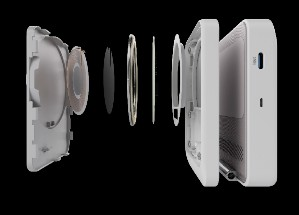
MagSafe is a big step forward in wireless charge technology, and it is only available for iPhone 12 models and later. An intelligently placed magnetic ring lines up with the charging coil in MagSafe-compatible chargers. This makes the charging process more efficient by ensuring a perfect link between the iPhone and the charger. Misalignment is a regular problem with standard wireless chargers, but this alignment makes charging faster and more stable. MagSafe’s design improves both productivity and user comfort in the long run.
How MagSafe Differs from Traditional Wireless Chargers
Unlike regular Qi wireless chargers, which need manual alignment, MagSafe uses an innovative magnetic alignment method. Imperfect alignment between the smartphone and the charging coil may cause traditional Qi chargers to lose efficiency and charge at slower rates. By locking the iPhone in place with a ring of magnets, MagSafe solves this problem and reduces energy loss. Compared to Qi chargers, which typically have a maximum output of 15W, MagSafe chargers are far quicker.
The Importance of Magnets in MagSafe Charging
The magnets in MagSafe are essential for optimal charging because they position the iPhone in a way that makes contact with the charging coil. Unlike older models of wireless chargers, which might suffer from misalignment problems, this arrangement keeps the connection ideal, reducing energy loss. The magnetic connection is more stable, so there will not be any unintentional disconnections, and the electricity will flow consistently. Faster charging rates are possible with MagSafe because of this exact alignment, making it a more dependable option for iPhone users than regular wireless charging.
Is MagSafe Faster Than Traditional Wireless Charging?
MagSafe Charging Speed vs. Standard Qi Wireless Chargers
MagSafe charging technology is purportedly more efficient than conventional Qi adapters for iPhone 12 or later owners. With a maximum output of 25W, MagSafe significantly shortens the charging time for compatible devices, in contrast to Qi chargers, which typically only provide 15W. For instance, the Anker MagGo Wireless Charging Station’s Qi2 certification means it can provide a consistent 15W output and is compatible with MagSafe-compatible devices. The magnetic alignment mechanism guarantees precise coil placement, eliminating power loss and thereby increasing speed. Unlike regular Qi chargers, MagSafe’s methodology ensures a constant and optimum charging experience.
Testing Real-World Charging Speeds
Compared to standard wireless chargers, MagSafe chargers such as the Qi2-certified puck from Apple and the MagGo Wireless Charging Station from Anker provide noticeably quicker results in real-world testing. In comparison to MagSafe, a regular Qi charger may take two hours to charge an iPhone completely under identical circumstances. If you need to top up your battery quickly, MagSafe is the way to go, thanks to its improved alignment and enhanced power output, which is evident in the speed difference.
Factors Influencing Charging Speed in Both Technologies
The model of the device, the condition of the battery, and the temperature are some of the variables that affect the charging speed in both Qi and MagSafe chargers. By keeping the phone in the ideal position at all times, MagSafe’s magnetic alignment reduces these variations and improves consistency and speed. On the other hand, alignment problems might decrease the charging effectiveness of Qi chargers. While both technologies are susceptible to external influences like temperature, MagSafe’s architecture often aids in maintaining a more constant performance than conventional wireless alternatives.
MagSafe’s Advantages in Everyday Use
Daily, MagSafe offers obvious benefits. Users can effortlessly clip their gadgets into position using its magnetic alignment, guaranteeing safe and constant charging. To go even further, the MagGo Wireless Charging Station from Anker can charge several devices at once, including an iPhone, an Apple Watch, and AirPods. It is a practical choice for Apple consumers worldwide due to its compact form factor and 15W high-speed charging. In addition to increasing MagSafe’s practical appeal in daily situations, the station’s stability minimizes inadvertent disconnections, giving a reliable and user-friendly experience. Anker enhances the advantages of MagSafe for enhanced efficiency and ease.
Limitations of MagSafe and Standard Wireless Chargers
However, the ingenious MagSafe system is not without its restrictions. The limited usage of MagSafe among earlier smartphones is because it is only compatible with iPhone models released after the 12th generation. There is more flexibility for families with a variety of smartphone brands when using traditional Qi wireless chargers, despite their slower charging speed, since they support a larger range of devices. Environmental factors like temperature may affect both charging methods to varying degrees, but in general, MagSafe’s magnetic alignment offers more constant charging efficiency than conventional Qi.
How Charging Efficiency Impacts Battery Life
How well a battery charges over time is an indicator of its longevity. MagSafe’s improved magnetic alignment minimizes power loss and charging overheating, both of which contribute to longer battery life. But, especially when used for long periods of time, rapid charging may have a small effect on battery life. There are safety features on both MagSafe and more conventional Qi wireless chargers that prevent damage to batteries, although MagSafe may be somewhat more effective at extending the life of batteries due to its efficiency.
Which Charging Method is Right for You?
For iPhone owners who are already committed to the Apple ecosystem and are looking for a speedier and more efficient wireless charging solution, MagSafe is the way to go. For compatible iPhone models, particularly the most recent iPhone 16, its quick charging speed and magnetic alignment are undeniable advantages. Anker’s MagGo Wireless Charging Station elevates this experience with its 15W charging output, small folding form factor, and ability to charge several devices at once, including AirPods, Apple Watch, and iPhone. Anyone who values efficiency and convenience will find MagSafe to be an appealing alternative due to the station’s mobility and the ease of snapping the phone into place. In keeping with Apple’s vision for the future of design, MagSafe provides a versatile solution for those who value travel-friendly charging options or own several Apple products. Traditional wireless charging, on the other hand, offers more versatility at a cheaper price and is more universally compatible, making it a good choice for homes with a variety of gadgets.
Considering Future-Proofing Your Charging Setup
Purchasing MagSafe technology might be a smart move if you want to ensure that your charging system is compatible with all future devices. Longevity and compatibility with the newest iPhones are benefits of MagSafe, which Apple has been incorporating into new iPhone models. Products that are compatible with both MagSafe and Qi charging, such as the Anker MagGo Station, are adaptable enough to work with both present and future devices. The same charger will work with all of your gadgets, no matter how much they change.
Conclusion
With MagSafe, your iPhone and charger will have a more secure and efficient magnetic alignment mechanism, allowing for quicker and more consistent wireless charging. With its ability to decrease power consumption and increase speed, MagSafe is clearly the best option for iPhone owners. To take it to the next level, the Anker MagGo Wireless Charging Station has a foldable, small form factor and is compatible with multiple devices, so you can charge your Apple Watch, AirPods, and iPhone all at once. Even though MagSafe is the fastest and most efficient choice, standard Qi wireless chargers still work well and are compatible with more devices. MagSafe, which provides a seamless charging experience, may provide future-proof benefits to users who are dedicated to the Apple ecosystem. On the other hand, conventional wireless charging may be a better fit for homes with a variety of devices, both in terms of functionality and cost. Finding the right charging method comes down to personal choice and device compatibility.