Exploring the Balance Between Tradition and Modernity in Joinery Design
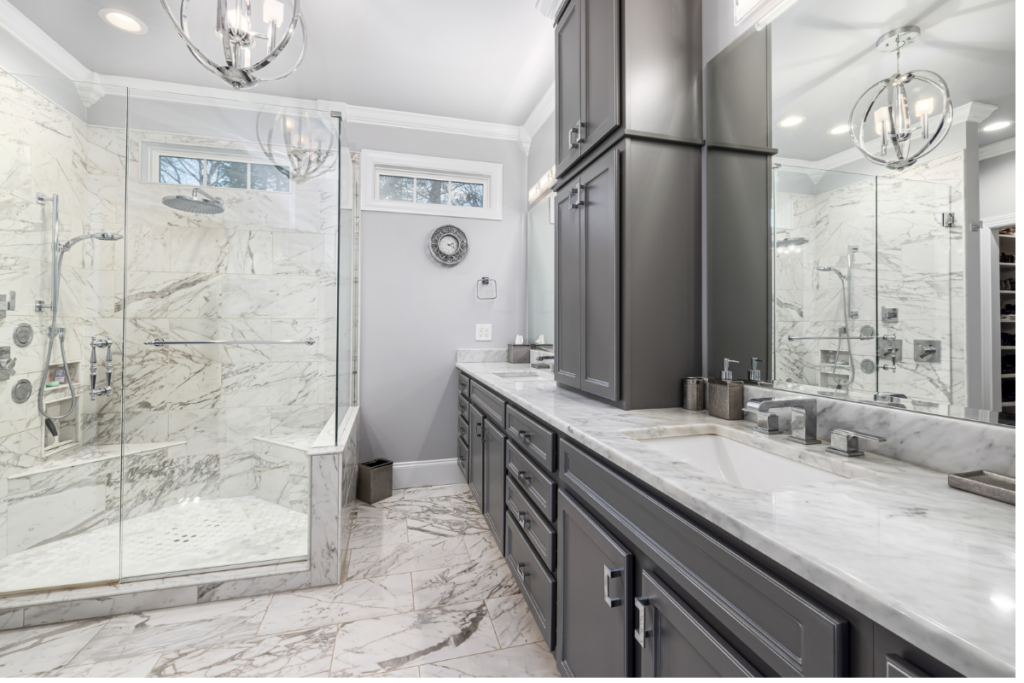
When it comes to designing the perfect living or working space, joinery often plays a key role, knitting together form, function, and style. From intricately crafted cabinets to sleek modern shelving units, joinery on the Central Coast has long been the backbone of interiors that combine beauty and practicality.
But today, there’s a growing appreciation for designs that bring together the charm of tradition with the innovation of modern craftsmanship. How do joinery professionals achieve this delicate balance? And how can you introduce it into your home or project?
If you’re a homeowner, an interior designer, or an architect, understanding this fusion is essential for creating spaces that honor the past while remaining relevant for years to come.
The Historical Roots of Joinery Design
Joinery on the Central Coast is an ancient art, with techniques that have stood the test of time for centuries. Long before power tools and industrial machinery, artisans relied on manual precision, simple tools, and techniques passed down through generations to create exquisite wooden structures.
Some of the most iconic traditional joinery techniques include:
- Mortise and Tenon Joints – Found in furniture and structural frameworks, this technique dates back over 7,000 years and remains a hallmark of strength and durability.
- Dovetail Joints – Popular in cabinetry and drawer construction, the interlocking wedge-shaped joints are both secure and visually appealing.
- Butterfly Keys – These serve as both decorative and functional elements, used to prevent wood from splitting.
These traditional methods didn’t just prioritize aesthetics; they also reflected a deep understanding of wood as a natural and living material. Artisans adjusted for shifts in temperature, seasonal expansion, and other factors to ensure their creations lasted for decades, if not centuries.
Traditional joinery reminds us of the value of patience, skill, and the enduring relationship between human hands and wood. But as lives and needs evolved, so did joinery.
Modern Innovations in Joinery Design
While tradition provides a foundation, modern technology has taken joinery design to an entirely new dimension.
Advanced Tools & Techniques
Today’s joinery craftsmen and designers have access to tools and machinery that make precision work faster and more accessible. CNC (computer numerical control) machines, for example, can carve out incredibly intricate designs with minimal margin for error, saving both time and material waste.
Laser-cutting tools and CAD (computer-aided design) software allow for exact detailing, giving clients the ability to see virtual renders of their projects before construction even begins.
Innovative Materials
While wood remains a staple, experimentation with materials like plywood, MDF (medium-density fiberboard), laminates, and even metals and glass has expanded the scope of joinery designs. These materials are often lighter, more affordable, and resistant to issues like warping or splitting.
However, eco-conscious practices are also trending, with many professionals opting for sustainably sourced timber to combine environmental responsibility with timeless appeal.
Sleek Aesthetics
Minimalism reigns supreme in modern interiors. Clean lines and refined finishes dominate joinery projects, reflecting contemporary tastes. The challenge here is ensuring functionality doesn’t take a backseat.
With skilled professionals like Spoke Building & Interiors, modern aesthetics are seamlessly integrated with practical usability. Whether it’s a hidden storage solution or modular cabinetry, functionality is custom-fitted to match your lifestyle.
Expert Insights
We caught up with joinery professionals at Spoke Building & Interiors to get their take on achieving this balance. “Blending tradition and modernity in joinery is like creating a symphony,” they explain. “Traditional techniques remind us of craftsmanship’s roots, while modern materials and tools offer endless possibilities. The key is understanding the client’s vision and making sure practicality meets beauty every step of the way.”
Their team underscores the importance of working closely with homeowners, architects, and interior designers to bring shared visions to life. “It’s all about collaboration,” they add.
What Do You Think?
We’d love to hear your thoughts on this!
- Which joinery styles resonate most with you? Do you lean toward the intricate detailing of traditional methods, or do modern minimalist designs pique your interest more?
- Have you worked on a project that required blending these two worlds? Share your experience in the comments below or get in touch with us.
Your feedback adds another layer to the conversation, so don’t hesitate to reach out!
Conclusion
Whether you’re restoring a heritage property or designing a sleek modern home, joinery offers an opportunity to create lasting impressions. By blending traditional craftsmanship with contemporary materials and aesthetics, you achieve a unique result that honors the old while fully embracing the new.