MDR Regulation: What Every Medical Device Company Needs to Know
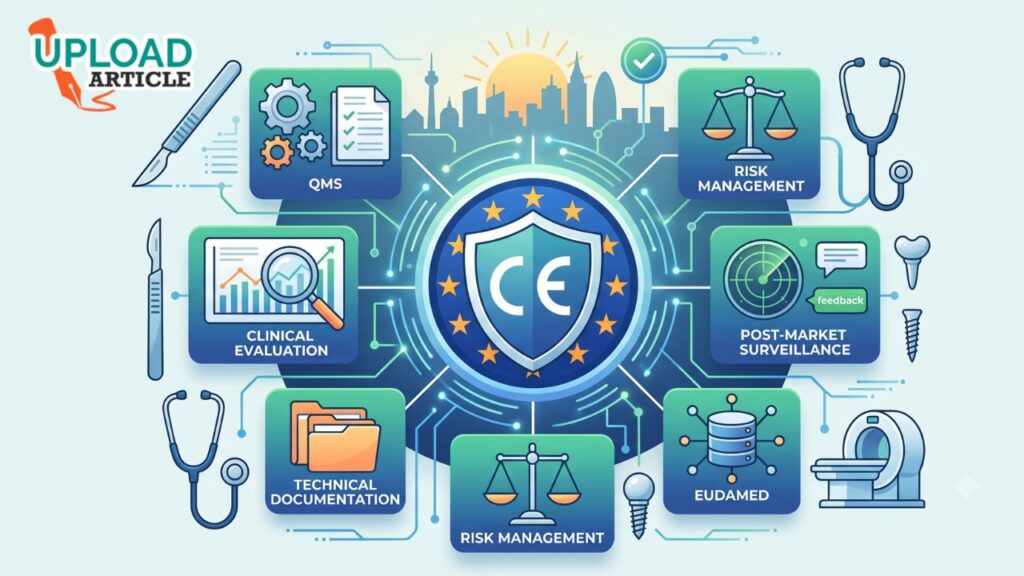
The mdr regulation changes how medical devices are defined and classified throughout Europe. This transformation significantly impacts compliance pathways and market entry strategies for businesses.
Notified bodies play an essential role within the MDR framework. They evaluate compliance, making the selection of a suitably specialized body critical for an efficient approval process.
Preparing comprehensive technical documentation is key to demonstrating compliance with the MDR. If documentation is incomplete or inconsistent, product approval could face considerable delays.
Risk management needs to be proactive, with a focus on identifying and mitigating potential hazards before devices reach consumers, guided by the ISO 14971 standard.
Post-market surveillance is not optional. Companies must gather and analyze ongoing data to guarantee product safety and compliance post-launch.
A robust response plan for adverse events is crucial. It helps maintain compliance and enhances product offerings since timely and thorough incident management can turn challenges into opportunities.
As digital health continues to evolve, medical device companies must adjust their compliance practices and embrace new technologies, all while keeping an eye on regulatory changes worldwide.
Understanding the Core Principles of MDR Regulation
Key Definitions and Terminology Every Company Must Grasp
The MDR regulation redefines how medical devices are categorized within the European market. For companies striving for compliance, grasping the specific terminology is indispensable. Terms like medical device, active implantable device, and in vitro diagnostic device need to be thoroughly understood. These definitions directly determine the regulatory pathway products must navigate. It’s not enough for managers and compliance teams to simply remember these terms; they must also comprehend their implications.
Take this example: suppose a business launches a new diagnostic tool but misclassifies it. Such an error can lead to significant delays in entering the market or incur hefty compliance penalties. The stakes couldn’t be higher.
- Device Classification: Each device is categorized as Class I, IIa, IIb, or III, which affects the scrutiny level during the approval process.
- Risk Classifications: Identifying risk levels based on potential hazards and intended use influences risk management strategies.
- Essential Requirements: These are prerequisites for demonstrating compliance with the General Safety and Performance Requirements (GSPR).
The Role of Notified Bodies in the MDR Landscape
It’s clear that notified bodies act as gatekeepers within the MDR framework. Their responsibilities encompass evaluating whether a medical device complies with all necessary criteria before market entry. Organizations cannot afford to cut corners in this area.
So, how does a company select the appropriate notified body? It’s not merely about accreditation; it’s also about discovering a partner that can provide expertise pertinent to the specific device. Imagine two companies – one specializing in orthopedic devices and the other focused solely on neurostimulation. Choosing the right partner can determine whether market entry is swift or drawn out.
- Assessment Procedures: These may include clinical evaluations, technical documentation reviews, and factory inspections.
- Continuous Surveillance: Ongoing post-market oversight ensures compliance throughout the device’s lifecycle.
- Expert Advice: A notified body that offers consultative support can substantially simplify the approval process.
Critical Steps for Compliant Medical Device Market Entry
How to Prepare Your Technical Documentation Like a Pro
Initially, the technical file must align with the relevant MDR requirements. Each document serves a distinct purpose: from design specifications to performance data, all are essential for justifying why a product is deemed safe and effective. Attention to detail is non-negotiable—regulators are skilled at spotting inconsistencies.
- Design and Manufacturing Data: Encompasses specifications, production processes, and measures for quality assurance.
- Clinical Evaluation Reports: Necessary for substantiating the device’s safety and performance profile.
- Post-Market Surveillance Plans: Outline how ongoing monitoring will be executed once the device enters the market.
Essential Elements of the Risk Management Process
Risk management isn’t merely a formality; it’s a crucial framework guiding device design and compliance strategies. The emphasis should be on pinpointing potential risks and implementing corrective actions before products reach consumers. Experts advocate that proactive risk management can improve product outcomes significantly.
Guidance from the ISO 14971 standard can be invaluable in this context. Engaging with it thoroughly can lead to insights that bolster device safety and performance. A comprehensive risk assessment should involve collaboration among various stakeholders, including engineers, quality assurance experts, and regulatory professionals.
- Risk Identification: Catalog all potential risks linked to device use as a starting point.
- Risk Evaluation: Assess the severity and likelihood of identified risks to ensure effective prioritization.
- Risk Control Measures: Implement strategies to reduce identified risks to acceptable levels.
Working through Post-Market Surveillance Obligations Under MDR
Best Practices for Collecting and Analyzing Post-Market Data
When a medical device launches, the regulatory journey doesn’t conclude. It transitions into post-market surveillance. Companies are required to collect and analyze data to maintain compliance and ensure product safety. Many downplay this phase, assuming once a device is marketed, it can run on autopilot. But continual monitoring is absolutely essential.
Organizations should establish a structured method for gathering insights. Feedback from users, healthcare providers, and even competitors can create a valuable data pool that drives product enhancement.
- Data Sources: Leverage user feedback, clinical studies, and real-world evidence for a deeper understanding.
- Risk Assessment Updates: Regularly revisit and update risk evaluations based on new information.
- Regulatory Reporting: Be ready to report any product issues to notified bodies swiftly.
How to Respond to Adverse Events Effectively
Adverse events can occur at any moment, disrupting the normal flow of business. Acting quickly and decisively can help minimize damage and maintain regulatory compliance. Companies should have a clear protocol for incident response. Ignoring negative feedback is simply not an option.
By adopting a “fail fast” mentality, teams can cultivate resilience and innovation. Addressing lessons from each incident can turn missteps into opportunities for improvement. But how can a business create this capability?
- Incident Documentation: Keep detailed logs of every adverse event. Such documentation is crucial for internal clarity and regulatory obligations.
- Corrective Actions: Quickly address the root causes with effective strategies.
- Continuous Feedback Integration: Modify product features or user guidance based on insights derived from adverse events.
“In every failure lies the seed of improvement.”
Staying Ahead: Future Trends in Medical Device Regulation
The Impact of Digital Health on Regulatory Compliance
Digital health technologies are changing the game. Companies aiming to remain compliant must understand how these innovations fit within the regulatory framework. Wearable devices, telemedicine, and mobile health applications are just the beginning. So, what does this mean for medical device firms? Agility is crucial.
Regulators are already reevaluating their strategies to keep pace with rapid advancements. Embracing a proactive approach to digital tools not only aids compliance but enhances overall product offerings.
- Adaptive Licensing Models: These frameworks allow for quicker access to innovative technologies while ensuring necessary safety precautions.
- Collaboration with Regulators: Engaging in dialogue can help clarify the evolving regulatory landscapes.
- Integration of Data Analytics: Utilizing data analytics for real-time compliance monitoring can bolster organizational flexibility.
Anticipating Changes in Global Regulatory Frameworks
As the global regulatory landscape continues to evolve, organizations must remain vigilant. Trends point toward harmonization of regulations across various regions. Companies participating in international markets need to comply not only with the MDR but also proactively anticipate future changes.
Being adaptable to emerging regulations is vital. Businesses that stay nimble can leverage these shifts as opportunities rather than viewing them solely as obstacles.
- Global Harmonization: True international standards will streamline compliance but require constant attention.
- Regional Variances: It’s imperative to grasp local adaptations to global standards for successful market entry.
- Continuous Education: Keeping staff updated on global developments can reinforce a firm’s competitive advantage.
Staying ahead in the realm of medical device regulation requires a mindset centered on adaptability, a relentless commitment to compliance, and a readiness to evolve as standards change. Organizations that embrace this dynamic landscape will likely be well-positioned for success.
FAQ
What are the most common challenges companies face when implementing MDR compliance?
Many companies struggle with the intricate nature of documentation requirements, especially if they lack prior experience. Moreover, navigating the thorough assessment processes of notified bodies can seem daunting. Further complications arise from misclassifications and inadequate risk management strategies.
How can companies improve communication with notified bodies during the approval process?
Building a collaborative relationship is fundamental. Consistent updates and consultative discussions can promote mutual understanding and expedite the approval pathway. Companies should proactively share information, seek clarity, and request feedback on documentation to improve transparency.
What role does clinical evaluation play in compliance with MDR regulations?
Clinical evaluation is critical for demonstrating a device’s safety and effectiveness. It involves systematic assessments of clinical data to support product claims. Conducting robust clinical studies not only fulfills regulatory demands but also boosts credibility in the marketplace.
How can organizations prepare for the evolving landscape of digital health technology regulations?
Staying informed is paramount. Companies ought to closely track regulatory developments and engage in industry dialogues. Adopting flexible compliance strategies that integrate digital tools will enhance their capacity to meet new requirements as they emerge.
What strategies can be employed for effective post-market surveillance?
A structured approach that encompasses user feedback, ongoing data analysis, and regular risk assessments is essential. Companies should create clear reporting methods and proactively address issues identified during surveillance activities to ensure user safety and compliance.
How important is staff training in maintaining compliance with MDR regulations?
Consistent staff training is crucial. Updating teams on regulatory shifts, compliance methods, and best practices builds organizational readiness. Knowledgeable personnel are better equipped to navigate the complexities of regulatory frameworks, reducing the likelihood of compliance failures.
What impact do global regulatory changes have on local medical device companies?
Global regulatory transformations can unlock new market possibilities and present compliance hurdles. Local companies must remain alert, adjusting their strategies to align with international standards while addressing regional nuances. This agility can help convert potential challenges into competitive advantages.
How can organizations maintain a proactive risk management approach under MDR?
Implementing ongoing risk assessments and nurturing a culture of safety are paramount. Companies should engage cross-functional teams to regularly pinpoint and evaluate potential risks, swiftly implementing corrective actions to avert escalation. This proactive mindset not only ensures compliance but also enhances overall product quality.