The Role of Ultrasonic Meters in Advanced Plumbing System Solutions
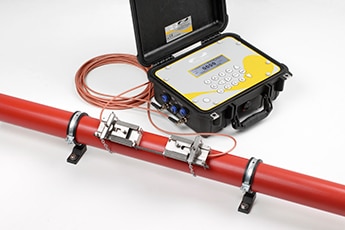
A building can track electricity in detail while treating water as one monthly total. That gap makes leaks, abnormal tenant use and inefficient equipment harder to find. submetering gives operators a clearer view without changing the plumbing system’s basic purpose.
Why plumbing systems need submetering
The concern in this part of the system is fragmented submetering, manual reads, limited tenant visibility, and delayed discovery of abnormal water use. The immediate symptom is not always the root cause, so diagnosis needs to precede repair, replacement or system integration. That distinction protects both the budget and the asset. A narrow, testable question keeps the investigation efficient. It also helps the final report explain whether the evidence confirmed the suspected failure mode or pointed to another cause.
Where ultrasonic meters fit in a building
Relevant methods include static ultrasonic meters, hot- and cold-water compatibility, integrated radio, diagnostic alarms, gateways, dashboards, and building-management integration. They observe different signals and should be combined only when each method has a defined role. Instrument settings, calibration and site conditions belong in the final record. Where two methods overlap, the project plan should explain whether the second method is corroborating, locating or quantifying the first result. This avoids paying twice for evidence that answers the same question.
Hot and cold water applications
The technical options include static ultrasonic meters, hot- and cold-water compatibility, integrated radio, diagnostic alarms, gateways, dashboards, and building-management integration. Selection depends on what must be detected, located, measured or verified. A method that is excellent for screening may still need a more precise follow-up tool. Field teams should record environmental conditions and known sources of interference. Those notes allow reviewers to judge whether an apparent anomaly is credible and whether a return visit is necessary.
Connecting meters to building operations
The working sequence is straightforward: measure consumption at useful control points, transmit readings, compare zones or users, investigate exceptions, and close the loop through maintenance or engagement. Each stage should have an owner and an acceptance check. This makes delays visible and shows whether the result changed maintenance, billing, safety or environmental performance. Completion records should show what changed after intervention. A second measurement, inspection or operational check is often the clearest proof that the original issue was addressed.
Finding abnormal use without invading privacy
The main constraints are meter sizing, installation orientation, network coverage, tenant privacy, integration standards, and ownership of alarms. They belong in the technical scope because they can change accuracy, safety and usability. Critical findings may require confirmation by another method or physical exposure. The report should state confidence and explain what could not be determined. Honest limits help engineers choose safe follow-up work and prevent a preliminary finding from being used for a decision it cannot support.
Design and commissioning checks
Planning for plumbing system solutions requires more than equipment; it also needs qualified interpretation, assigned responsibility and usable records. Relevant limits include meter sizing, installation orientation, network coverage, tenant privacy, integration standards, and ownership of alarms. A defensible report states those limits beside the result instead of hiding them in general notes. Readers can then decide how much confidence is sufficient for the next action. Contract documents should also define who owns the data and how it will be delivered. Proprietary outputs have limited long-term value when the asset owner cannot reuse them in mapping or maintenance systems.
From allocation tool to conservation system
Future development points toward buildings that treat water data with the same operational discipline used for energy. Automation can help rank patterns, but experienced review remains necessary where safety, excavation, billing or regulatory claims are involved. Integration should be gradual. Reliable field records, stable identifiers and clear ownership provide more value than an ambitious platform built on inconsistent or unverified inputs.
What should teams confirm before a building submetering design?
They should confirm the asset type, operating condition, required accuracy and the decision the result must support. For this topic, the main constraints are meter sizing, installation orientation, network coverage, tenant privacy, integration standards, and ownership of alarms. A short pre-field review should document those limits, identify any need for a second method and set the acceptance check for the final result.
How can owners verify the value of a building submetering design?
Verification starts with a baseline and a measure tied to the intended outcome. Expected gains include accurate allocation, earlier leak awareness, simpler reading operations, and data that supports conservation. Owners should compare conditions before and after the intervention, confirm that priority findings were closed and record any recurrence. That produces a direct answer instead of relying on a vendor claim or an untested estimate.
Conclusion
Good submetering makes water use visible enough to manage without making the system harder to operate. For developers, building engineers, utilities, facility managers, and sustainability teams, the next step is to define the decision, choose evidence that can support it and assign responsibility for follow-up. That approach keeps the work factual, measurable and useful after the initial survey or installation.






