Preparing for Motherhood: A Guide to Preconception Nutrition
Preparing for pregnancy does not mean making drastic dietary changes or relying on supplements alone. It involves developing balanced eating habits, recognising possible nutrient deficiencies and seeking professional advice when needed. Understanding these essentials can help women approach pregnancy planning with greater awareness and make informed choices for their wellbeing.
Why Nutrition Matters Before Conception
Before pregnancy, review eating patterns and overall health. Nutrients support many functions involved in reproductive health, including hormone production, cell function and the formation of healthy tissues. A varied diet provides a foundation; supplements may help when intake is insufficient.
Nutrition does not guarantee conception, and fertility is influenced by several factors, including age, ovulation, sperm health and underlying medical conditions. Focus on overall health rather than one food or nutrient. A clinician can identify risks and suggest appropriate tests.
Nutrients to Include in a Preconception Plan
A preconception eating pattern should offer a range of vitamins, minerals, protein, fibre and healthy fats. Discuss diet, medical history and existing supplements with a healthcare professional.
- Coenzyme Q10 (CoQ10)
CoQ10 is a compound involved in cellular energy production and antioxidant activity. It helps cells perform essential functions. Although it is studied for its possible role in reproductive health, evidence about its effects on fertility is still developing.
- L-Methylfolate
L-methylfolate is an active form of folate that participates in cell division and other important processes. Folate is particularly important before conception and during early pregnancy because adequate intake helps reduce the risk of neural tube defects. Women should discuss their folate requirements with a healthcare professional.
- Vitamin B12
Vitamin B12 supports normal nerve function, red blood cell formation and DNA synthesis. It is naturally found in animal-based foods, while fortified foods provide alternatives for some dietary patterns. Maintaining adequate B12 intake is important, particularly for women following vegetarian or vegan diets.
- Vitamin D2
Vitamin D2 contributes to calcium absorption and supports bone health. It also plays a role in normal immune function. Dietary intake, sunlight exposure and individual health factors can influence vitamin D levels, so supplementation should be considered according to professional advice.
- Zinc
Zinc is an essential mineral involved in cell growth, DNA synthesis and normal immune function. It is found in foods such as beans, nuts, seeds, whole grains and dairy products. Adequate zinc intake contributes to general health and normal reproductive functions.
Understanding the Role of Fertility Supplements
Supplements can help address specific nutritional gaps, but they are not fertility treatments and cannot promise pregnancy. Products marketed as egg quality supplements may contain ingredients intended to support nutritional intake, yet evidence differs by ingredient and outcome. Women should check the formulation, serving directions and safety information instead of assuming that a longer ingredient list means greater effectiveness. Check for overlapping nutrients if you already take a multivitamin or prescribed supplement, and ask about possible interactions.
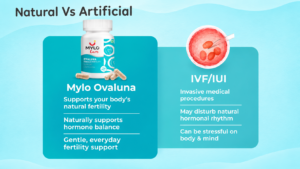
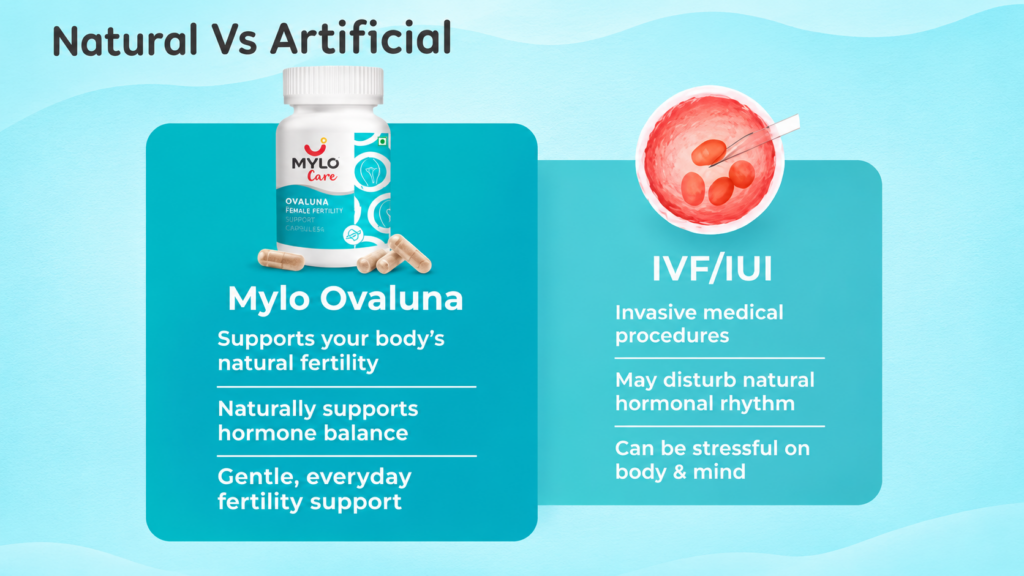
For example, Mylo Ovaluna is a preconception dietary supplement for women that includes CoQ10, L-methylfolate, vitamin B12, vitamin D2, zinc and Shatavari. Its ingredients should be considered in the context of a person’s diet, health history and clinician’s advice. It is not a medicine, and using it does not guarantee improved fertility or pregnancy.
Everyday Habits That Complement Good Nutrition
Food choices are only one part of preparing for pregnancy. Regular movement, adequate sleep and avoiding tobacco can contribute to general health. It is also useful to review caffeine and alcohol intake with a healthcare professional, particularly when actively trying to conceive. Sustainable adjustments are easier to maintain than restrictive routines.
Stress management can also support wellbeing during the planning stage. A calm routine and open conversations with a partner may help. Women with irregular periods, known reproductive conditions or difficulty conceiving should seek medical advice rather than relying on supplements alone.
Building Sustainable Eating Habits Before Pregnancy
Preparing for pregnancy does not require a complicated diet. Small, consistent food choices can help women maintain balanced nutrition and support overall health. Focus on variety, regular meals and suitable nutrient sources rather than following restrictive diets.
- Include fresh fruits and vegetables in daily meals.
- Choose whole grains and fibre-rich foods.
- Add protein sources such as lentils, beans, eggs and nuts.
- Include healthy fats from seeds, nuts and suitable oils.
- Maintain regular hydration throughout the day.
Building these habits gradually can make them easier to maintain. Individual nutritional needs may differ, so consult a healthcare professional before making major dietary changes or starting supplements.
Discover Fertility Wellness with Mylo Pregnancy & Parenting App
Planning for motherhood can bring many questions about fertility, nutrition and reproductive health. Having access to reliable information can help women make informed decisions during this important stage. The Mylo Pregnancy & Parenting App offers expert-verified articles, useful health resources and a supportive community to explore different aspects of pregnancy planning and parenting. Women interested in the Mylo pregnancy app download can access helpful tools, pregnancy-related information and resources for different stages of their journey. From understanding preconception wellness to tracking pregnancy milestones, Mylo helps women stay informed, organised and supported as they prepare for motherhood.
Conclusion
Preconception nutrition is about preparing thoughtfully, not searching for a quick solution. A varied diet, suitable supplements when recommended and healthy daily habits can help support general wellbeing before pregnancy. Since individual needs differ, professional advice is important when choosing nutrients or assessing fertility concerns. Remember that nutrition is one part of preconception care. Timely medical advice and realistic expectations also matter when preparing for pregnancy.
If you are looking for pregnancy and parenting information in one place, Mylo offers expert-verified articles, helpful tools and a supportive community. Its resources include a daily pregnancy app experience to help users follow pregnancy-related information and milestones. Mylo also offers preconception products such as Ovaluna, giving women another option to explore while discussing their nutritional needs with a healthcare professional.