Understanding the Requirements of Donating Plasma: A Complete Guide
What is Plasma Donation and Why Does It Matter?
The Science Behind Plasma: Unveiling the Liquid Gold
Plasma is the largest component of human blood, accounting for approximately 55% of its total volume. This yellowish liquid consists mostly of water (about 90%) and contains essential proteins, electrolytes, hormones, and waste products. In the scientific community, plasma is often referred to as “liquid gold” due to its critical importance in the medical field. The proteins found in plasma serve a variety of vital functions, including maintaining blood pressure and volume, supplying critical substances for blood clotting and immunity, and transporting nutrients and waste products throughout the body.
The unique composition of plasma makes it a valuable resource for the treatment of various medical conditions. Plasma is rich in immunoglobulins, clotting factors, and albumin, making it essential for patients suffering from conditions like hemophilia, liver disease, burns, and severe infections. The process of plasma donation allows healthcare professionals to procure these life-saving components, which can then be separated and processed for transfusions or synthesized into therapies. The significance of plasma donation cannot be overstated; it gives hope and a second chance at life to countless patients relying on blood products.
How Plasma Donation Saves Lives: Real-World Impact Stories
The impact of plasma donation is often best understood through the stories of individuals whose lives have been dramatically improved thanks to the generosity of donors. For instance, consider the story of a young girl diagnosed with a serious autoimmune disorder that requires regular infusion therapies derived from plasma. Through the donations made by compassionate individuals, she receives the immunoglobulin therapy needed to help regulate her immune system, allowing her the chance to lead a more normal life, attending school, playing with friends, and partaking in family events without the constant threat of a health crisis looming over her.
There are countless narratives akin to hers, illustrating not only the profound importance of plasma but also the widespread necessity for donors. Patients undergoing surgeries, burn victims, and individuals facing life-threatening conditions all rely on plasma-based treatments to recover and thrive. Such stories amplify the urgency for plasma donations and underscore a critical truth donating plasma is not merely an act of charity; it is a direct lifeline to those battling myriad health challenges. Each donation has the potential to save or significantly improve multiple lives, making it an essential and noble contribution to society.
Navigating the Plasma Donation Process: What to Expect
Your First Donation: A Step-by-Step Journey
For many individuals, the thought of donating plasma can evoke a mix of excitement and apprehension. Understanding the donation process can alleviate some of this apprehension and empower potential donors to proceed with confidence. The journey begins with identifying a reliable donation center. Many hospitals, blood banks, and specialized donation centers offer plasma donation services. Once you’ve located a center, the next steps involve several important preparations. It’s advisable to eat a healthy meal and stay well-hydrated before your appointment. This preparation helps ensure that your veins are more visible and that your body can handle the donation process smoothly.
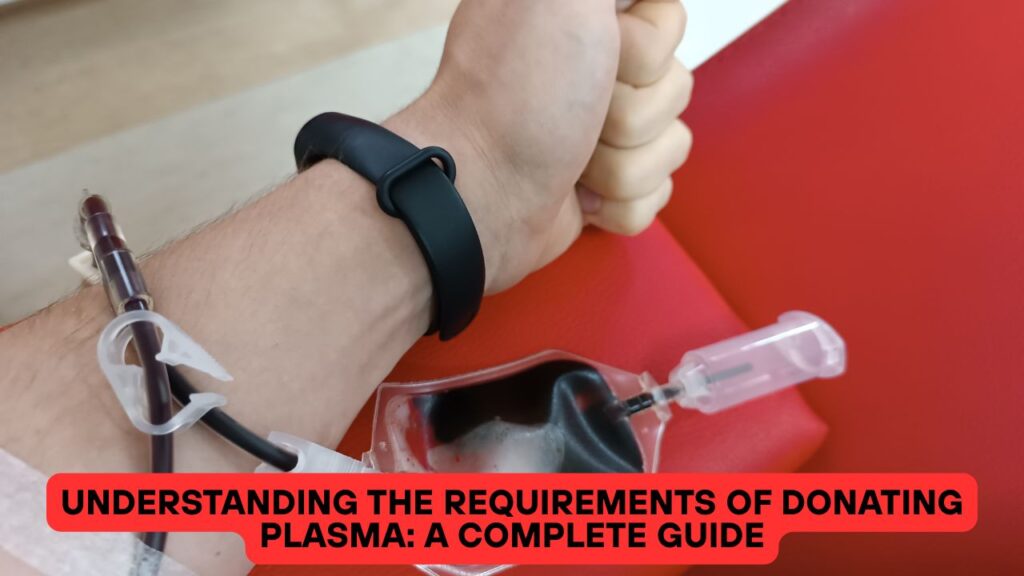
Upon arrival, you’ll undergo a thorough screening process. This typically includes a medical history questionnaire and a brief physical examination to assess your eligibility. Medical staff will check your pulse, temperature, blood pressure, and hemoglobin levels to ensure you are in optimal health for donation. After passing the screening, you’ll be escorted to the donation area, where the actual donation process will take place. Here, a technician will insert a needle into your arm to draw your blood. Contrary to common misconceptions, this does not entail a lengthy commitment; the entire process usually takes about 90 minutes, including the screening and recovery stages, with the actual blood draw lasting approximately 10-15 minutes. Once the blood is collected, it’s separated into its components, with plasma being extracted for use.
The Art of the Ask: Common Questions Answered
As potential donors prepare for their first plasma donation, they often have numerous questions. One prevalent query is regarding the safety of the process. Rest assured, plasma donation is a well-regulated procedure. Each donation center adheres to strict guidelines set forth by regulatory bodies to ensure the safety and quality of blood products. This includes using sterile equipment and adhering to rigorous screening protocols to safeguard both donor and recipient health.
Another common concern relates to discomfort during donation. While it is normal to experience a slight pinch when the needle is inserted, the process is generally well-tolerated. Alongside this, individuals may worry about the frequency of donations. According to the American Red Cross, healthy donors can donate plasma as often as every 28 days, making it a relatively manageable commitment for those willing to participate regularly. Finally, many individuals inquire about the impact of donating plasma on their own health. The body is remarkably resilient; after donating, it rapidly begins to replenish the lost plasma volume, and donors often report feeling well and healthy shortly after the process.
Eligibility Criteria: Are You a Plasma Donation Superhero?
Your Health Matters: Understanding Medical Requirements
Understanding the requirements of donating plasma is essential to ensure the safety of both the donor and the recipient. Plasma donation centers follow specific medical criteria established through extensive research and health organization guidelines. First and foremost, individuals must be in good general health and free from acute illnesses such as colds or infections, as well as any chronic conditions that might interfere with the donation process. During the screening, it’s important to be honest about your medical history, as many factors—such as current medications or underlying health issues—can affect your eligibility.
Furthermore, certain infectious diseases can disqualify individuals from donating plasma. Bloodborne pathogens such as HIV, hepatitis B and C, syphilis, and certain types of malaria pose significant risks to recipients. Donation centers routinely test for these infectious diseases, and potential donors are often screened for high-risk behaviors associated with increased vulnerability to such infections. Understanding and complying with these medical requirements ensures that the plasma provided will be safe and beneficial for patients in need.
Age, Weight, and More: Decoding the Eligibility Puzzle
In addition to medical health considerations, plasma donation centers also enforce specific age and weight criteria to ensure donor safety and efficacy. Generally, donors must be at least 18 years old and weigh a minimum of 110 pounds (50 kg). This weight requirement is to ensure donors can safely tolerate the volume of blood drawn during the donation process without experiencing adverse effects such as dizziness or fainting.
Moreover, it’s important to consider lifestyle factors such as diet and exercise. A balanced diet enriched with vitamins, minerals, and adequate protein helps ensure donors maintain optimal health and plasma quality. Furthermore, abstaining from alcohol and drug use for at least 24 hours prior to donation can enhance the experience and efficacy of the process. Lastly, addressing misconceptions surrounding eligibility is vital; individuals with tattoos or piercings may still be eligible to donate, provided that the procedures were conducted in a sterile environment and have adequately healed. Ensuring that you meet the outlined criteria enhances your chances of becoming a successful plasma donor.
Post-Donation Care: The Do’s and Don’ts for Donors
Feeling Great After Giving: Tips for Recovery
After a successful plasma donation, it’s essential to prioritize self-care and recovery. While many donors feel energetic and are back to their routine soon after donating, your body has undergone a physiological change, and it is crucial to assist in that recovery process. One of the first steps is to rest briefly at the donation center, allowing time for your blood pressure and heart rate to stabilize post-donation. Don’t hesitate to take advantage of refreshments offered by the center; they’re specifically designed to aid in your recovery.
Once you leave the donation center, consider avoiding strenuous activities and heavy lifting for the remainder of the day. Engage in gentle exercises or activities that don’t exert excessive pressure on your body, as this will help minimize fatigue and allow your body to recover effectively. Pay special attention to how you feel; should you experience any unusual symptoms such as excessive fatigue, dizziness, or prolonged bleeding at the insertion site, consult medical personnel immediately for assistance.
Staying Hydrated and Refueled: The Importance of Self-Care
Hydration plays a critical role in your post-donation recovery. Plasma is composed primarily of water, and donating results in a temporary decrease in your body’s fluid levels. Drinking plenty of water or electrolyte-rich beverages will aid in replenishing lost fluids. In addition to hydration, nutritional support is equally important. Consuming a balanced meal rich in protein and iron after donation can help restore energy levels and support red blood cell production. Foods such as lean meats, leafy greens, nuts, beans, and fortified whole grains are excellent choices.
Keeping your body well-nourished and hydrated not only facilitates a swift recovery but also encourages future donations. Highlighting the importance of self-care post-donation cannot be overstated; by prioritizing your health, you enable yourself to become a repeat donor who can continue to contribute to saving lives in the community. Each donation you make has a ripple effect, affecting countless lives and fostering a sense of connection and purpose in helping those in need.