The Evolution and Importance of Gaming Monitors
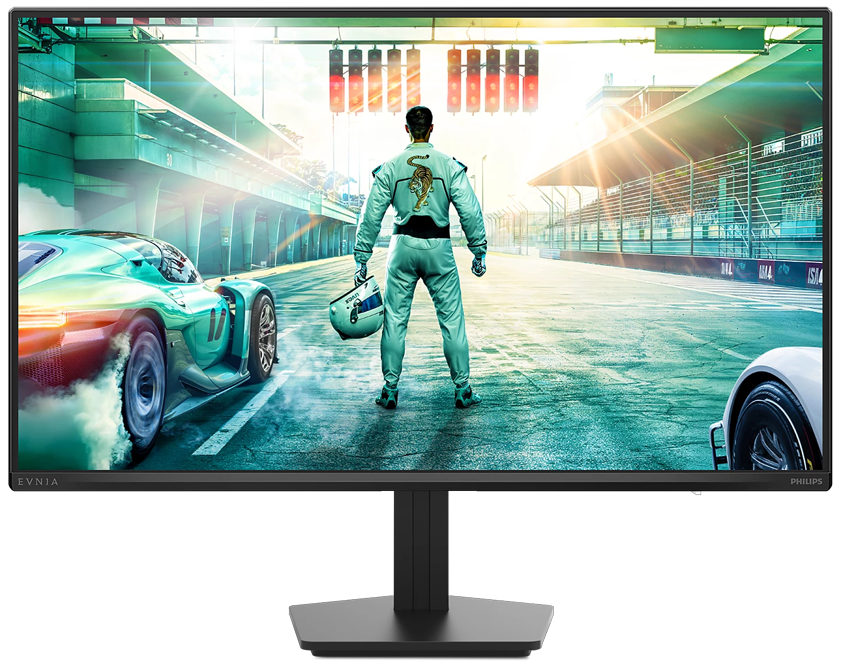
In the ever-evolving world of technology, the role of gaming monitors has become a cornerstone for avid gamers. The right gaming monitor can significantly enhance the gaming experience by offering superior image quality, faster refresh rates, and reduced input lag. As gaming continues to grow as a popular form of entertainment, the demand for high-performance monitors is on the rise.
The Evolution of Gaming Monitors
Gaming monitors have come a long way since the early days of personal computing. Initially, monitors were simply output devices with basic display features. However, as computer games became more complex and graphically intense, the need for better quality displays emerged.
The technological advancements in displays have been driven by the ever-increasing requirements of modern video games. Today’s gaming monitors are equipped with high resolution displays, offering better clarity and realism for gamers. Gamers can choose from 1080p, 1440p, to even 4K resolutions, depending on their graphic needs and system capabilities.
Importance of Refresh Rates and Response Times
One of the most important features of a gaming monitor is the refresh rate. The refresh rate, measured in hertz (Hz), indicates how many times the monitor updates with new information per second. Higher refresh rates such as 144Hz or even 240Hz provide smoother motion and can give gamers a competitive edge, especially in fast-paced games.
Similarly, response time is crucial for gamers. This term describes how quickly a pixel can change from one colour to another, and it is usually measured in milliseconds (ms). Shorter response times help eliminate image ghosting and ensure that the gameplay remains sharp and fluid.
Types of Gaming Monitors
There are various types of gaming monitors to suit different needs and preferences. For instance, TN (Twisted Nematic) panels are known for their low cost and fast response times, making them a popular choice for competitive gamers. On the other hand, IPS (In-Plane Switching) panels provide better colour reproduction and wider viewing angles, which are essential for more immersive experiences.
In addition, VA (Vertical Alignment) panels offer better contrast ratios and more vibrant colours, catering to those who enjoy detailed visuals in dark scenes. Each type has its own set of advantages, and choosing the right one depends on the individual requirements of the gamer.
Adaptive Sync Technologies
Another revolutionary feature in modern gaming monitors is adaptive sync technology, such as NVIDIA G-SYNC and AMD FreeSync. These technologies help eliminate screen tearing and stuttering by synchronizing the monitor’s refresh rate with the frame rate of the graphics card. This results in a smoother visual experience and greatly enhances the gameplay quality.
Gamers should choose a monitor that supports the sync technology compatible with their graphics card to make the most of their gaming setup.
Importance of Resolution in Gaming
Resolution plays a significant role in the overall gaming experience. Higher resolutions like 1440p and 4K provide sharper images and more detailed visuals, making games look more lifelike. However, higher resolution monitors also require more powerful graphics cards to run games smoothly at those settings.
A balance between resolution and graphic capabilities is essential to maximise both performance and visual quality.
Considerations When Buying a Gaming Monitor
When selecting a gaming monitor, there are several aspects to consider beyond just price and size. Gamers should prioritise features such as refresh rate, resolution, response time, and panel type according to their specific needs and preferences.
Furthermore, it is essential to consider connectivity options and ergonomics. A monitor equipped with multiple input ports such as HDMI, DisplayPort, and USB can provide flexibility in connections, while an adjustable stand can offer comfort during extended gaming sessions.
The Future of Gaming Monitors
As technology continues to advance, it is exciting to imagine what the future holds for gaming monitors. Innovations such as flexible and ultra-wide screens, increased resolution, and enhanced synchronisation technology are expected to become more mainstream, potentially transforming how gamers interact with their digital environments.
Overall, the gaming monitor serves as a crucial element in a gamer’s setup, enhancing not only the visual experience but also the overall satisfaction and performance in gaming.