What Are the Best Ways to Try Something New Without Committing Fully?

We put a lot of pressure on the word commitment. Whether you decide to learn a new technical skill, adopt a different software platform for your daily operations, or completely change your physical appearance, the standard expectation is that you need to go all in. That is usually a mistake. Going all in requires a massive upfront investment of time, money, and energy before you even know if the thing you are committing to actually fits your needs.
A much better approach is prototyping the experience. In product development, you never build the final version of a tool without testing a wireframe first. You want to find the cheapest and fastest way to simulate the end result.
To successfully prototype a new interest or tool, you just need to follow three basic rules:
- Keep the initial financial investment near zero.
- Limit the testing time window strictly.
- Measure a single, specific outcome.
This operational mindset can be applied to almost any new venture. You test the waters, gather data, and make an informed decision without getting trapped by the sunk cost fallacy.
Use Digital Sandboxes for Immediate Feedback
Physical changes and aesthetic decisions are notoriously difficult to undo. If you knock down a wall in your house to open up a room, you can’t just glue the drywall back together if you hate the layout. Personal styling changes carry the exact same weight. Making a drastic change to your appearance has immediate social and professional consequences. You are stuck with the results while you wait for things to grow back or fade.
You don’t need to take those leaps blindly anymore. The technology available for personal prototyping is incredibly accurate and easily accessible. If you want a radical change, you can preview short haircut online using a variety of dedicated web tools and applications. You just upload a clear photo of yourself and get a highly realistic simulation of the result. The technology has evolved well past the clunky, cartoonish filters we had five years ago. It provides just enough visual data to help you decide if the change is actually worth the risk.
The exact same logic applies to interior design or buying expensive furniture. You should use augmented reality tools to project a new couch into your living room through your phone camera before you ever enter a credit card number. You get the vast majority of the spatial and visual information you need with zero buyers remorse. Prototyping physical changes digitally takes five minutes and costs absolutely nothing.
Isolate Professional Tools to Micro Projects
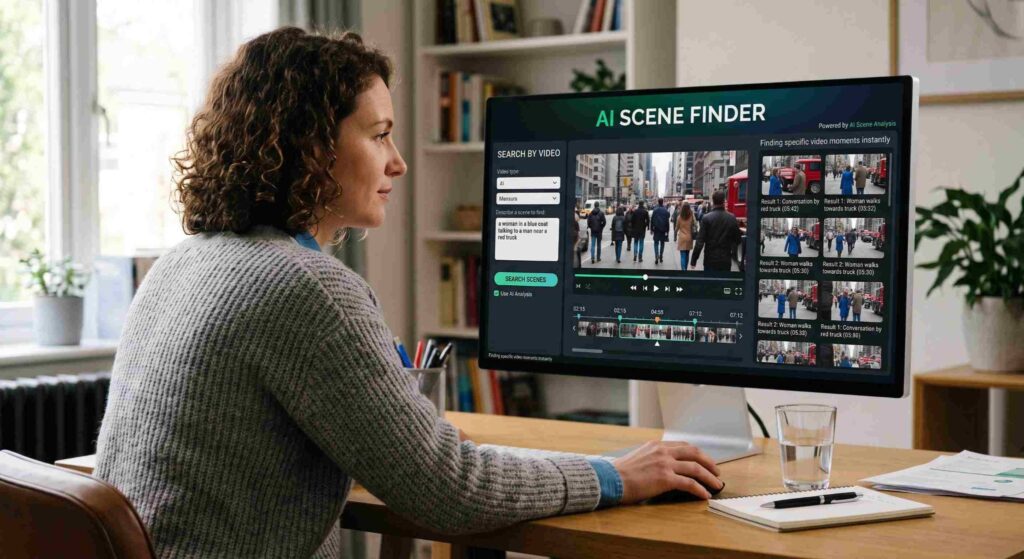
Adopting new software is a notorious productivity killer. You might read an industry blog about a new video editing suite or a project management application that promises to save your team ten hours every week. The immediate instinct is to migrate your entire workflow over to the new system so you can start reaping those benefits immediately. That instinct almost always leads to a week of lost work as you struggle to figure out the quirks and hidden limitations of the new platform.
The most effective way to test professional tools is to isolate a single, low stakes task. Don’t switch your entire production pipeline. Pick one specific feature that interests you and test it on a completely disposable project.
For example, you might be evaluating a new video production platform because you read it includes a highly accurate AI Scene Finder. Instead of importing your current massive client project, run a short piece of old, already published footage through the new system. See if the tool actually detects the cuts, pans, and transitions the way the marketing materials promised. Pay attention to how long it takes to process the footage and whether the user interface feels intuitive.
If the tool fails on a small, controlled test, you just saved yourself a massive headache. If it succeeds, you have verified its core utility. From there, you can slowly integrate more features into your daily work over the next quarter without disrupting your primary revenue streams.
Mine Community Documentation to Gauge Complexity
We often forget that time is a heavier investment than money. This is especially true when it comes to new hobbies, entertainment, and digital media. Video games are a perfect example of this imbalance. Some of the most highly praised games on the market require a forty hour time investment just to reach the actual core loop of the mechanics. That is an absurd commitment for something that is supposed to provide recreational value.
Before you spend real money and dedicate a month of your evenings to a sprawling open world simulator, you should look directly at the community documentation. You don’t need to play a game to understand how demanding it is.
If I’m curious about a notoriously deep management game, I will spend twenty minutes reading the Horsey game wiki or whatever fan curated database exists for that specific title. Browsing the item tables, the crafting mechanics, and the community discussions gives you a very clear picture of what the minute to minute experience actually entails. You can figure out if the inherent complexity of the system is engaging or if it’s just going to feel like a second job. Reading the manual before you buy the machine is the easiest way to avoid wasting your weekends.
The Short Term Lease Approach to Habits
Prototyping is not just for software and purchases. It works incredibly well for behavioral changes too. When people try to adopt a new routine, like waking up at five in the morning or strictly blocking out their daily calendar, they usually declare it as a permanent lifestyle change. When they inevitably break the routine three days later, they feel like they failed.
Treat new habits like a short term lease. Commit to a strict two week trial period. During those fourteen days, you follow the new rule exactly as planned. You are not deciding if you will do this forever. You are only deciding if you can do it for two weeks to gather operational data on yourself.
When the trial period ends, you sit down and evaluate the actual results. Did waking up earlier actually result in more meaningful work getting done, or were you just exhausted by noon? If the routine didn’t yield tangible benefits, you drop it immediately without any guilt. You ran an experiment, collected the results, and moved on. That is how you find what actually works for your schedule instead of just guessing.