Why Electrical Tagging Is Essential for Workplace Safety
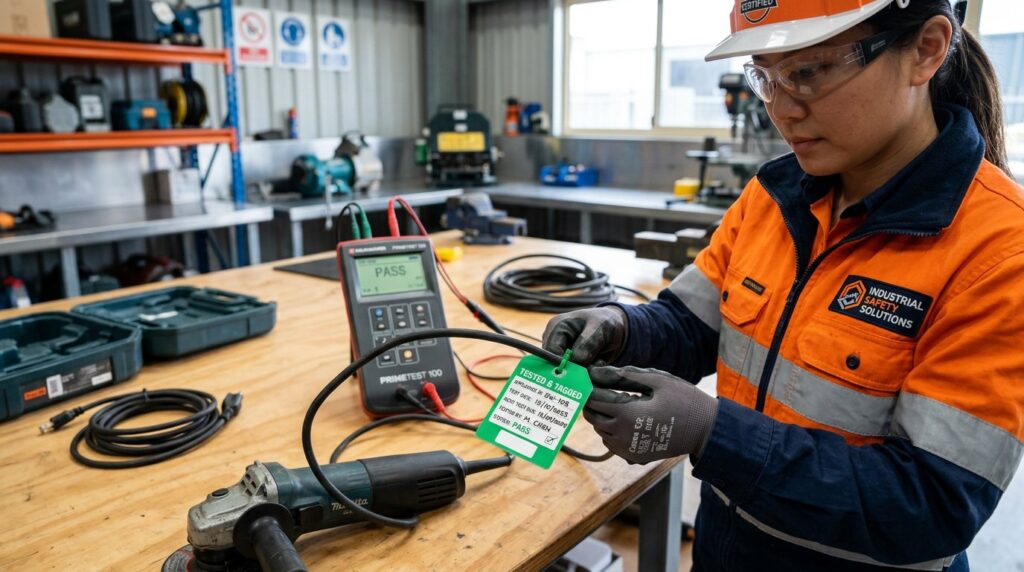
Every year, preventable electrical accidents injure thousands of workers across the globe. Faulty equipment, missed inspections, and poor documentation all contribute to incidents that could have been avoided. Electrical tagging is one of the simplest, most effective ways to stop these incidents before they happen—and for businesses serious about safety, it’s non-negotiable.
Why Electrical Tagging Matters for Preventing Workplace Accidents
Electrical tagging involves inspecting, testing, and labeling electrical equipment to confirm it’s safe for use. Each tag records the test date, the result, and when the next inspection is due. At a glance, workers and managers know exactly which equipment has been cleared—and which hasn’t.
This visibility matters. Faulty cords, damaged plugs, and deteriorating insulation are easy to overlook during a busy shift. Electrical tagging creates a structured system that catches these hazards before they cause harm. Rather than waiting for something to go wrong, businesses can act on what the data shows.
Compliance is another key reason to take electrical tagging seriously. In Australia, workplace health and safety legislation requires that electrical equipment be regularly inspected and maintained. Failing to meet these standards doesn’t just put workers at risk—it exposes businesses to significant legal and financial consequences.
How the Electrical Tagging Process Works
The process typically follows a defined inspection schedule based on the type of equipment and the environment it’s used in. High-risk environments—like construction sites or workshops—require more frequent testing than low-risk office settings.
During each inspection, a qualified technician tests the equipment for electrical faults, checks for visible damage, and applies a tag indicating the outcome. Equipment that fails the test is taken out of service immediately, removing the risk before it reaches an employee.
Taylors Test & Tag manages this entire process for businesses across a range of industries. From scheduling and testing to labeling and documentation, Taylors Test & Tag provides end-to-end coverage that takes the guesswork out of compliance. Their team works with businesses to build inspection schedules that reflect the actual demands of each workplace.
The Workplace Benefits Go Beyond Safety
Electrical tagging does more than protect workers—it protects the business, too.
Reduced liability: Documented testing records demonstrate due diligence. If an incident does occur, having a clear paper trail shows that the business met its obligations under safety law.
Lower insurance costs: Many insurers factor workplace safety practices into their premiums. A well-maintained electrical tagging program signals lower risk, which can translate into tangible cost savings.
Less equipment downtime: Catching faults early means equipment gets repaired or replaced before it fails completely. That’s fewer unexpected disruptions to operations and less money spent on emergency fixes.
A stronger safety culture: When employees see that leadership invests in regular inspections, it sends a message. Safety becomes part of how the business operates, not just a policy document gathering dust.
Legal Requirements and the Cost of Non-Compliance
Australian workplace safety laws—including the Work Health and Safety Act and relevant Australian Standards—set clear expectations for electrical equipment maintenance. Businesses that fail to comply risk on-the-spot fines, improvement notices, and in serious cases, prosecution.
Beyond the legal penalties, the human cost of non-compliance is far greater. An electrical fire or electrocution can devastate a team, halt operations, and permanently damage a company’s reputation.
Documentation is just as important as the testing itself. Records must be accurate, accessible, and up to date. Taylors Test & Tag provides detailed reporting that supports both internal safety management and external audits, making compliance straightforward rather than stressful.
Build a Safer Workplace Starting Now
Electrical tagging isn’t a box-ticking exercise—it’s a practical, proven system that keeps people safe and businesses protected. The risks of skipping it are real, and the benefits of doing it properly are immediate.
If your current electrical tagging program is overdue for a review—or you haven’t started one yet—now is the time to act. Taylors Test & Tag works with businesses of all sizes to implement testing schedules that fit their operations and meet their compliance requirements. Reach out today to make electrical tagging a cornerstone of your workplace safety strategy.