Gut–Brain Connection: How Your Gut Health Influences Your Brain
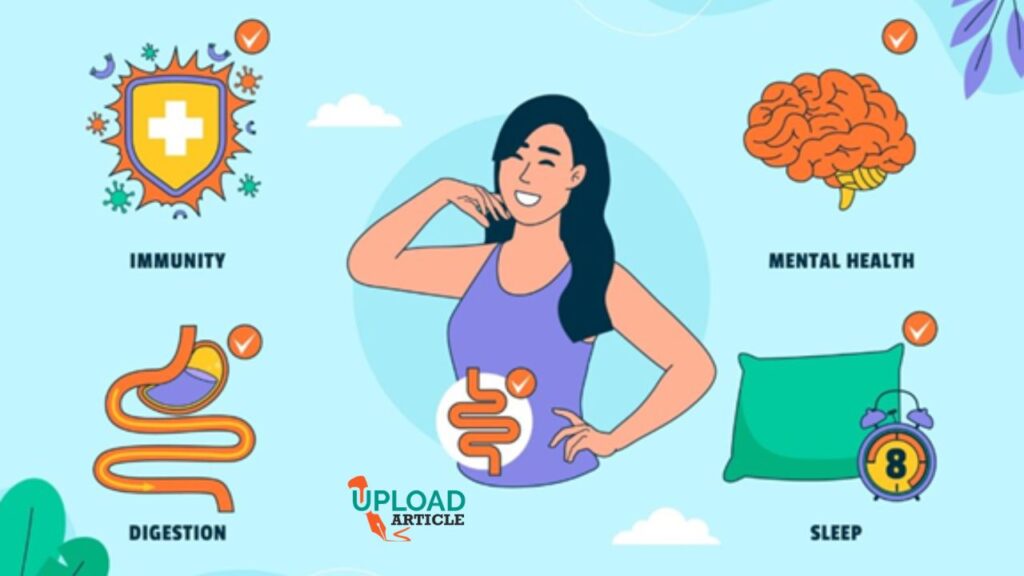
Your gut and your brain communicate with each other all day long, through nerves, hormones, and chemicals made by trillions of bacteria in your intestines. Doctors call this two-way link the gut–brain connection. It explains why stress upsets your stomach and why an inflamed gut can worsen anxiety or brain fog.
Harvard Medical School, Johns Hopkins Medicine, and hundreds of peer-reviewed studies published since 2020 confirm that gut bacteria shape mood, memory, and even the risk of neurological disease. Incorporating nutrient-rich juices for gut health may help promote a balanced gut microbiome as part of an overall healthy lifestyle.
How Does the Gut–Brain Connection Work?
The gut–brain connection runs through four main channels: a direct nerve line called the vagus nerve, trillions of gut bacteria, brain chemicals made in your digestive tract, and immune signals triggered by gut inflammation.
The Vagus Nerve
The vagus nerve is the longest nerve in your body. It runs from your brainstem down through your neck, chest, and abdomen, touching your heart, lungs, and gut along the way. About 80% of the fibers in this nerve carry signals upward, from gut to brain, not the other way around.
When gut bacteria produce certain chemicals, those chemicals bind to receptors on vagus nerve endings. The nerve then fires a signal straight to your brainstem, influencing mood, appetite, and stress levels within minutes. Researchers at Northwell Health’s Feinstein Institutes describe this pathway as a direct communication highway between your midsection and your mind.
The Gut Microbiome
Your gut houses roughly 38 trillion bacteria, along with fungi and viruses, collectively called the gut microbiome. This community does more than digest food. It manufactures vitamins, trains your immune system, and produces chemicals that cross into your bloodstream and affect brain function.
Scientists studying gut microbiome and brain health have found that people with anxiety and depression often show a less diverse bacterial population than people without these conditions. A 2025 review in BMC Psychiatry confirmed distinct microbial patterns in people diagnosed with depression and anxiety compared to healthy controls. Diversity, not just the presence of “good” bacteria, appears to matter most.
Neurotransmitters
Your gut is a chemical factory. It produces about 90% of the body’s serotonin, the chemical most linked to feelings of calm and well-being, through specialized cells called enterochromaffin cells lining the intestinal wall. Gut bacteria also help produce dopamine precursors and GABA, a calming brain chemical that lowers anxiety.
These chemicals do not travel directly to the brain in large amounts. Instead, they activate the vagus nerve locally, and that nerve carries the message upward. A 2025 study in the International Journal of Molecular Sciences traced this exact pathway, from gut serotonin to vagal signaling to brain regions that regulate mood.
Immune and Stress Responses
Roughly 70% of your immune system sits in tissue surrounding your gut. When harmful bacteria outnumber beneficial ones, a state called dysbiosis, your gut lining can become more permeable. Inflammatory molecules then leak into the bloodstream and reach the brain, where they can trigger fatigue, low mood, and difficulty concentrating.
Microbial Metabolites
Gut bacteria ferment fiber into short-chain fatty acids (SCFAs), including butyrate, acetate, and propionate. These compounds do far more than fuel colon cells. SCFAs strengthen the gut barrier, reduce inflammation, and cross into circulation, where they influence brain inflammation and support the blood-brain barrier itself.
Research published in Molecular and Cellular Endocrinology shows that SCFAs also boost serotonin production and vagal nerve activity. Low SCFA levels appear repeatedly in people with depression, according to a 2024 analysis cited in Frontiers in Microbiology. Feeding your gut bacteria the right fiber directly supports this chemical supply chain.
The Second Brain
Your intestines contain the enteric nervous system (ENS), a network of over 100 million neurons, more than exist in your spinal cord. The ENS can operate independently of your brain, managing digestion, gut movement, and local blood flow on its own.
Johns Hopkins Medicine researchers note that the ENS may explain the strong emotional symptoms tied to irritable bowel syndrome and other functional bowel disorders. For decades, doctors assumed anxiety caused gut symptoms. Newer evidence shows gut irritation can also send distress signals upward, triggering mood changes independent of psychological stress.
Signs of an Unhealthy Gut–Brain Axis
Common warning signs of a disrupted gut–brain connection include brain fog, low mood, anxiety that flares with digestive symptoms, poor sleep, and food sensitivities that appeared suddenly. These signs cluster together because gut inflammation and brain chemistry influence each other constantly.
Watch for this pattern of overlapping symptoms:
- Digestive changes with mood shifts. Bloating, constipation, or diarrhea that worsens alongside anxiety or irritability points to gut microbiome and brain health disruption rather than a purely digestive issue.
- Brain fog after eating. Difficulty focusing 30 to 60 minutes after meals can signal inflammation triggered by specific foods or an imbalanced microbiome.
- New food sensitivities. A gut lining weakened by chronic stress or a poor diet lets undigested particles trigger immune reactions that were not present before.
- Sleep that does not restore you. Gut bacteria help regulate melatonin production. Waking up tired despite 7 to 8 hours of sleep can reflect microbial imbalance.
- Anxiety tied to meals or hunger. Blood sugar swings and gut hormone shifts can mimic or intensify anxiety symptoms, especially when meals are skipped.
Doctors at Johns Hopkins Medicine report that up to 40% of people experience a functional bowel problem at some point, and many of these cases come with a diagnosable mood disorder. Research published in Nature Reviews Gastroenterology & Hepatology found that up to one-third of people with irritable bowel syndrome also live with anxiety or depression. If several of these signs overlap and persist for more than a few weeks, a conversation with your doctor is worth having.
How to Improve the Gut–Brain Connection
You can improve the gut-brain connection by eating more fiber, adding fermented foods, feeding gut bacteria with prebiotics, staying active, managing stress, and prioritizing sleep.
Eat More Fiber-Rich Foods
Fiber feeds the bacteria that produce SCFAs, the compounds that calm inflammation and support the gut lining. Aim for 25 to 35 grams daily from vegetables, legumes, oats, and whole fruit. Vegetable and fruit juices for gut health can offer a quick source of plant fiber and polyphenols, though whole produce delivers more fiber per serving than juiced versions.
Include Fermented Foods
Yogurt, kefir, kimchi, sauerkraut, and kombucha introduce live bacterial strains directly into your gut. A landmark Stanford Medicine trial published in Cell found that a 10-week fermented-food diet increased microbial diversity and lowered inflammatory markers, while a high-fiber diet alone did not produce the same diversity boost in the same timeframe.
Support Gut Bacteria with Prebiotics
Prebiotics are fiber types that specifically feed beneficial bacteria. Garlic, onions, leeks, asparagus, and slightly underripe bananas are strong natural sources. Adding these foods gradually, rather than all at once, prevents the bloating that comes with a sudden fiber increase.
Stay Physically Active
Exercise reshapes gut bacteria independent of diet. A 2024 systematic review in Frontiers in Physiology found that aerobic exercise increased microbial diversity and boosted SCFA-producing bacteria, while sedentary behavior correlated with lower diversity. Even 30 minutes of brisk walking most days produces measurable microbial shifts within weeks.
Manage Stress Effectively
Chronic stress raises cortisol, which changes gut motility and bacterial balance within days. Short daily practices, such as 10 minutes of slow breathing, a walk outside, or journaling, lower cortisol enough to protect your gut lining over time. This step matters as much as diet for anyone trying to improve the gut-brain connection.
Prioritize Quality Sleep
A 2019 study published in PLOS ONE found that total gut microbiome diversity correlated positively with sleep efficiency and total sleep time. Poor sleep, in turn, disrupts the bacteria that help regulate melatonin. Keep a consistent bedtime and limit screens for 30 minutes before sleep to protect this cycle.
FAQs
How does the gut microbiome affect brain health?
Gut microbiome and brain health are linked through serotonin production, short-chain fatty acids, and vagus nerve signaling. Bacteria produce chemicals that travel this pathway, directly influencing mood, focus, and stress response within your brain.
Can poor gut health affect mood?
Yes. Low bacterial diversity and gut inflammation are consistently linked to higher rates of anxiety and depression in peer-reviewed research, including a 2025 Mendelian randomization study showing dysbiosis can precede, not just follow, mood symptoms.
How can I improve the gut–brain connection naturally?
Add fiber, fermented foods, and prebiotics daily, walk for 30 minutes most days, and keep a consistent sleep schedule. These five habits measurably improve the gut-brain connection within four to ten weeks in clinical studies.
Does stress affect the gut microbiome?
Yes. Cortisol released during stress alters gut motility, thins protective mucus, and shifts bacterial populations within days. Chronic, unmanaged stress is one of the fastest ways to reduce microbial diversity.
What is the role of the vagus nerve in the gut–brain axis?
The vagus nerve carries chemical signals from gut bacteria and gut hormones up to the brainstem. About 80% of its fibers move information from gut to brain, making it the primary communication route.
Can probiotics improve the gut–brain connection?
Certain probiotic strains, especially Lactobacillus and Bifidobacterium species, have reduced anxiety symptoms in clinical trials. Effects are strain-specific, so a doctor or dietitian should guide strain selection for your particular symptoms.
Are digestive problems linked to anxiety?
Yes. Up to half of people with irritable bowel syndrome also experience anxiety or depression, according to research in Nature Reviews Gastroenterology & Hepatology. The gut and brain influence each other in both directions, not just one.
Sources
- Harvard Health: How the gut-brain connection influences mood
- Johns Hopkins Medicine: The Brain-Gut Connection
- Northwell Health Feinstein Institutes: Gut-brain axis and the vagus nerve
- Interaction of the Vagus Nerve and Serotonin in the Gut-Brain Axis, International Journal of Molecular Sciences, 2025
- Gut microbiota variations in depression and anxiety, BMC Psychiatry, 2025
- Gut microbiota as a novel target for treating anxiety and depression, Frontiers in Microbiology, 2025
- Stanford Medicine: Fermented-food diet increases microbiome diversity, decreases inflammatory markers
- A systematic review on the effects of exercise on gut microbial diversity, Frontiers in Physiology, 2023
- Gut microbiome diversity is associated with sleep physiology in humans, PLOS ONE
- Irritable bowel syndrome and mental health comorbidity, Nature Reviews Gastroenterology & Hepatology, 2023