How Can Mental Health Clinics Resolve Billing Issues and Boost Patient Satisfaction?
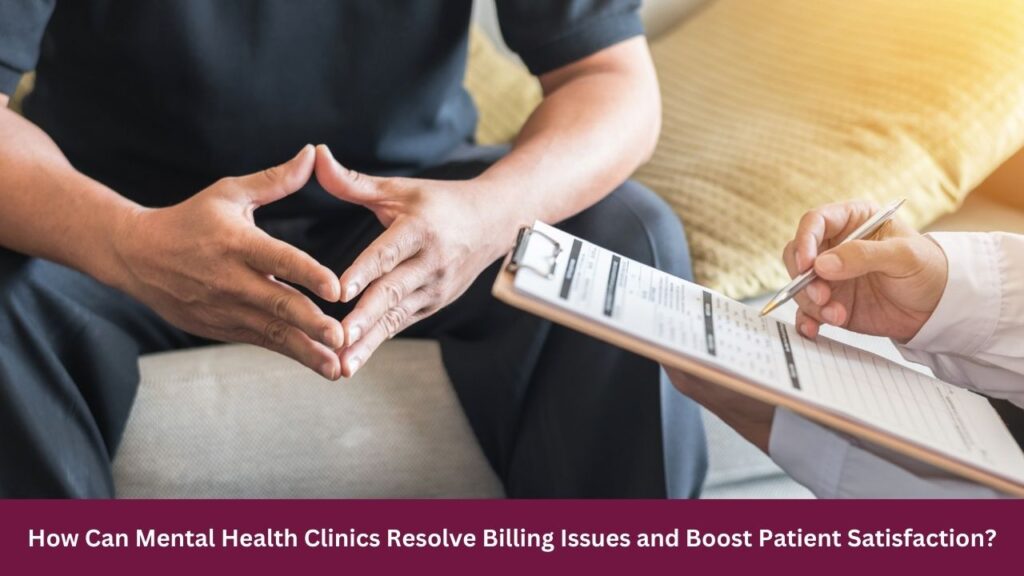
Mental health clinics play a crucial role in helping people manage their emotional and psychological well-being. However, many clinics face challenges when it comes to billing processes, which can lead to patient dissatisfaction and financial losses.
Addressing these issues is essential not only for the clinic’s success but also for ensuring patients feel supported throughout their care journey. In this article, we’ll explore practical ways mental health clinics can resolve billing problems and improve patient satisfaction.
Understanding the Billing Challenges
Billing issues in mental health clinics often stem from complex insurance processes, coding errors, and lack of transparency. Patients may receive unexpected bills, face delays in claims processing, or struggle to understand their financial responsibilities.
These problems can create stress and frustration, which is especially harmful for individuals already dealing with mental health challenges. To tackle these issues, clinics need to adopt clear, efficient, and patient-friendly billing practices.
1. Simplify Billing Processes
One of the best ways to resolve billing issues is to simplify the process. Clinics should aim to make billing as straightforward as possible for patients. This can include:
- Clear Communication: Explain costs upfront, including insurance coverage, co-pays, and out-of-pocket expenses. Provide written estimates to avoid surprises.
- Easy-to-Read Bills: Use simple language and avoid medical jargon on invoices. Break down charges so patients can easily understand what they’re paying for.
- Multiple Payment Options: Offer flexible payment methods, such as online payments, payment plans, or discounts for upfront payments.
By making billing easier to understand and manage, clinics can reduce confusion and improve patient trust.
2. Train Staff on Billing Best Practices
Billing errors often occur due to a lack of training or knowledge about insurance policies and coding requirements. Clinics should invest in regular training for their staff to ensure they are up-to-date on the latest billing regulations and best practices. This includes:
- Accurate Coding: Ensure staff use the correct codes for diagnoses and treatments to avoid claim denials.
- Insurance Verification: Verify patients’ insurance coverage before appointments to prevent billing disputes later.
- Timely Claims Submission: Submit claims promptly to avoid delays in reimbursement.
Well-trained staff can minimize errors and create a smoother billing experience for both the clinic and its patients.
3. Leverage Technology
Technology can be a game-changer for mental health clinics looking to streamline their billing processes. Here are some tools that can help:
- Electronic Health Records (EHR): EHR systems can integrate billing and clinical data, reducing the risk of errors and improving efficiency.
- Billing Software: Specialized billing software can automate tasks like claim submissions, payment tracking, and reminders for overdue bills.
- Patient Portals: Online portals allow patients to view their bills, check insurance coverage, and make payments conveniently.
By adopting these tools, clinics can save time, reduce errors, and provide a more seamless experience for patients.
4. Improve Transparency
Transparency is key to building trust with patients. Clinics should be open about their pricing and billing policies. This includes:
- Providing Cost Estimates: Give patients an estimate of costs before their appointment or treatment.
- Explaining Insurance Benefits: Help patients understand what their insurance covers and what they’ll need to pay out-of-pocket.
- Addressing Concerns Promptly: If a patient has a question or concern about their bill, address it quickly and professionally.
When patients feel informed and respected, they are more likely to have a positive experience with the clinic.
5. Focus on Patient-Centered Care
Ultimately, resolving billing issues is about putting patients first. Clinics should strive to create a supportive environment where patients feel valued and cared for. This includes:
- Empathy and Understanding: Recognize that billing issues can be stressful for patients, especially those dealing with mental health challenges. Approach conversations with empathy and patience.
- Personalized Support: Offer one-on-one assistance to patients who need help understanding their bills or navigating insurance processes.
- Feedback Mechanisms: Encourage patients to share their feedback about the billing process and use this input to make improvements.
By prioritizing patient-centered care, clinics can strengthen their relationships with patients and enhance overall satisfaction.
Looking Ahead
As we look to the future, mental health clinics must stay ahead of emerging trends to remain competitive and effective. One key trend to watch is the increasing use of telehealth and digital tools, which can simplify billing and improve access to care. Additionally, clinics that prioritize transparency, efficiency, and patient-centered practices will be better positioned to thrive in the evolving healthcare landscape. Keeping an eye on Healthcare Trends in 2025 can help clinics adapt and innovate to meet the needs of their patients.
Conclusion
Billing issues can be a significant source of stress for both mental health clinics and their patients. However, by simplifying processes, training staff, leveraging technology, improving transparency, and focusing on patient-centered care, clinics can resolve these challenges and boost patient satisfaction. In doing so, they not only improve their financial health but also create a more positive and supportive experience for those seeking mental health care. By addressing billing issues proactively, mental health clinics can continue to make a meaningful difference in the lives of their patients.