Tips for Managing Hair Loss and Finding the Right Treatment for Men
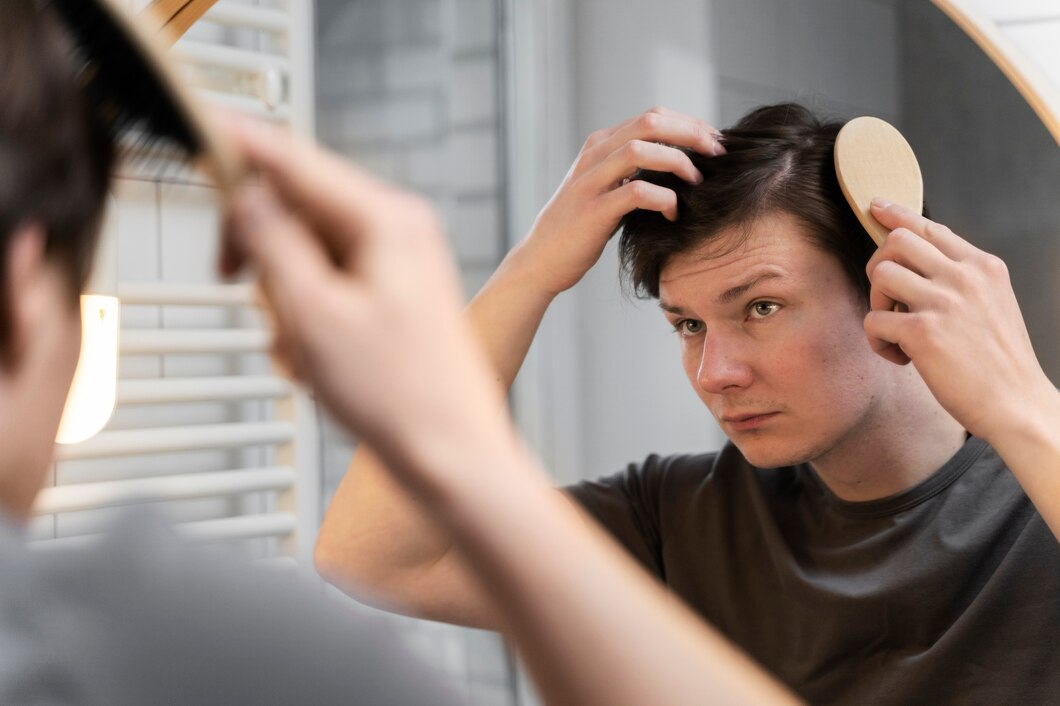
Hair loss can be a distressing experience for many men. While it’s a natural part of ageing, it can significantly impact self-esteem and overall well-being. If you’re dealing with hair loss, it’s important to understand the underlying causes and explore effective treatment options.
Understanding the Causes of Hair Loss
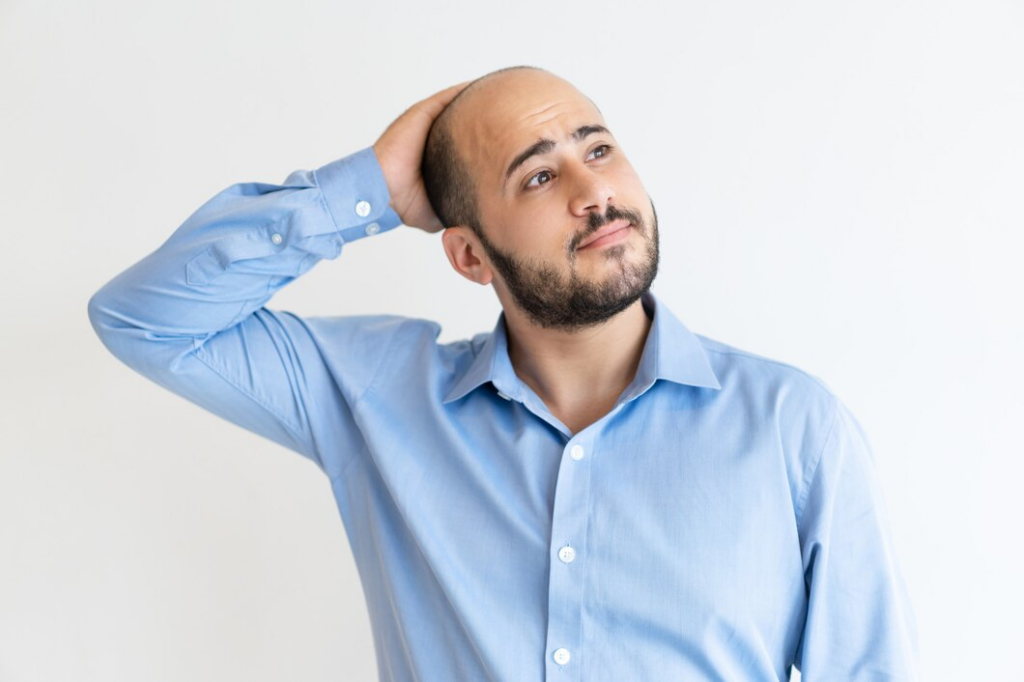
Before diving into treatment, it’s crucial to identify the root cause of your hair loss. Common causes include:
Hereditary Hair Loss (Male Pattern Baldness)
This is the most common type of hair loss, often inherited from family members. It’s characterised by a receding hairline and thinning hair on the crown of the head.
Hormonal Changes
Hormonal imbalances, such as those associated with thyroid disorders, androgenic alopecia, or certain medications, can contribute to hair loss. These imbalances can disrupt the hair growth cycle.
Medical Conditions
Certain medical conditions like alopecia areata, which causes patchy hair loss, can impact hair health. Additionally, scalp infections and skin disorders can also lead to hair loss.
Stress
Excessive stress can lead to temporary hair loss known as telogen effluvium. This condition occurs when a large number of hair follicles enter the resting phase simultaneously.
Poor Diet
Nutrient deficiencies, particularly iron, zinc, protein, and biotin, can weaken hair follicles and hinder hair growth. A well-balanced diet is essential for maintaining healthy hair.
Hair Styling Practices
Tight hairstyles, excessive heat styling, and harsh hair products can damage the hair shaft and lead to breakage and hair loss. Gentle hair care practices are crucial for preventing hair damage.
Effective Tips for Managing Hair Loss
While there’s no guaranteed cure for hair loss, several strategies can help manage the condition and potentially stimulate hair growth:
Consult a Dermatologist
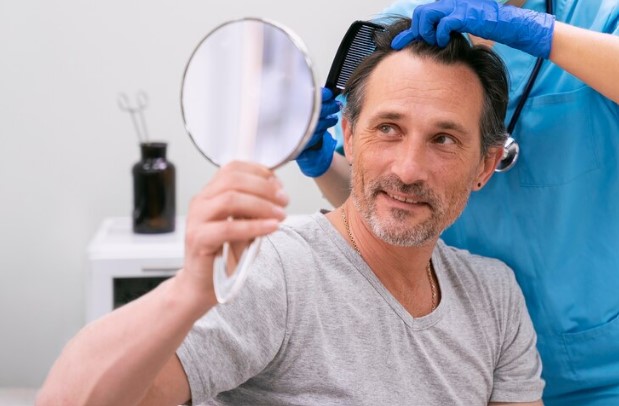
A dermatologist can accurately diagnose the cause of your hair loss and recommend appropriate hair loss treatment for men in Melbourne options. They can also rule out any underlying medical conditions that may be contributing to hair loss.
Consider Medical Treatments
Minoxidil
This over-the-counter topical solution can help slow hair loss and promote new hair growth by stimulating blood flow to the hair follicles and prolonging the hair growth phase.
Finasteride
A prescription medication that can effectively reduce hair loss by inhibiting DHT, a hormone that contributes to hair thinning. It’s important to discuss the potential side effects of finasteride with your doctor.
Hair Transplant Surgery
For more significant hair loss, a hair transplant can be a viable option. This surgical procedure involves transplanting hair follicles from a donor area to the balding areas, providing a permanent solution for hair restoration.
Lifestyle Modifications
Healthy Diet
A balanced diet rich in vitamins, minerals, and protein can support hair health. Incorporating foods like leafy green vegetables, lean proteins, and whole grains into your diet can nourish your hair follicles.
Stress Management
Practise stress-reducing techniques like meditation, yoga, or deep breathing exercises to minimise stress-related hair loss. Regular physical activity can also help alleviate stress and promote overall well-being.
Gentle Hair Care
Avoid harsh hair products, excessive heat styling, and tight hairstyles that can damage the hair shaft. Use a gentle shampoo and conditioner, and opt for air-drying your hair whenever possible.
Alternative Therapies
Low-Level Laser Therapy (LLLT)
This non-invasive treatment involves using low-level lasers to stimulate hair growth by increasing blood flow to the scalp and promoting cellular energy production.
Platelet-Rich Plasma (PRP) Therapy)
This involves injecting platelet-rich plasma into the scalp to promote hair growth by stimulating the growth factors that promote hair follicle growth.
Finding the Right Treatment for You
The best treatment for hair loss depends on various factors, including the underlying cause, severity, and your individual preferences. It’s essential to consult with a healthcare professional to determine the most suitable approach.
Key Considerations When Choosing a Treatment
Effectiveness
Consider the proven efficacy of the treatment in clinical studies.
Side Effects
Evaluate the potential side effects and risks associated with the treatment. Discuss these with your doctor to weigh the benefits and drawbacks.
Cost
Factor in the cost of the treatment, including any ongoing expenses, such as medication or follow-up appointments.
Time Commitment
Assess the time required for the treatment, such as daily application of topical solutions or regular visits to a clinic for procedures like PRP therapy or LLLT.
Expectations
Set realistic expectations about the potential outcomes of the treatment. Hair loss treatments often require patience and consistency to achieve noticeable results.
By understanding the causes of hair loss and exploring various treatment options, you can take control of your hair health and regain your confidence.
Conclusion
While hair loss can be a frustrating experience, it’s important to remember that there are effective treatments and strategies to manage it. For women experiencing significant hair loss,transplant in Melbourne offers a promising solution. By understanding the causes of hair loss, exploring various treatment options, including female hair transplant in Melbourne, and adopting healthy hair care practices, you can regain confidence and maintain a healthy head of hair.