5 Reasons to Choose an Affordable 120 Litre Bin for Home or Business
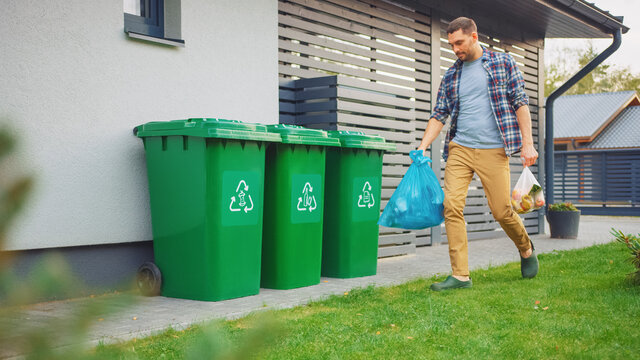
Small businesses and households often overlook 120-litre bins thinking they’re too small to be useful. That’s a mistake that costs money and creates unnecessary hassle. The sweet spot for waste management isn’t always the biggest container you can fit – it’s matching capacity to your actual generation patterns. An affordable 120 litre bin can handle the waste output of a 2-3 person household or a small office with 5-8 employees, and the economics work better than you’d expect when you factor in collection frequency and storage space.
Perfect Size for Consistent Weekly Collection
Most waste management companies optimize their routes around weekly collections, and 120-litre bins fit this schedule perfectly for smaller waste generators. Research from waste management studies shows that households with 2-3 people generate approximately 80-110 litres of general waste per week.
This means you’re using most of the bin capacity without overfilling, which is the ideal scenario. Overfilled bins create problems – lids won’t close properly, waste spills during collection, and you might get charged extra fees. Underfilled larger bins just waste money on capacity you don’t need.
The weight distribution works out well too. A full 120-litre bin typically weighs between 15-25 kg, which is manageable for most people to wheel to the curb. Compare this to 240-litre bins that can hit 40-50 kg when full, making them difficult to maneuver on uneven surfaces.
Cost Efficiency That Actually Adds Up
The pricing structure for bin rentals isn’t linear with size. You don’t pay twice as much for a 240-litre bin compared to a 120-litre one. Usually, it’s about 1.4-1.6 times more expensive. But here’s what matters – if you’re only generating 100 litres of waste per week, that extra capacity is just wasted money multiplied by 52 weeks per year.
Small businesses particularly benefit from this sizing. A dental office or accounting firm typically generates mostly paper waste and general office refuse. They don’t need the capacity for bulky items that residential properties sometimes require.
Easier Storage and Placement Options
Smaller bins give you more flexibility in placement, which matters more than you’d think. Urban properties often have limited space for bin storage, and a 120-litre bin takes up about 40% less floor space than a 240-litre model.
This extra space isn’t just about aesthetics. Better placement means easier access for collection crews, which reduces the chance of missed collections. Bins that are hard to access or poorly positioned get skipped more often, creating backup problems.
Reduced Pest Attraction
Smaller bins get emptied more frequently relative to their capacity, which means less time for waste to decompose and attract pests. Food waste in particular becomes problematic after 3-4 days in warm weather.
With a 120-litre bin, you’re more likely to have relatively fresh waste at collection time, especially if you’re not completely filling it each week. This makes a real difference in urban areas where rats and flies can become serious problems.
Environmental Benefits Through Better Waste Habits
Having a smaller bin actually encourages better waste separation and recycling habits. When space is limited, people naturally become more conscious about what they’re throwing away. Studies from behavioral economics show that artificial constraints often lead to more efficient resource use.
You’ll find yourself composting more organic waste, separating recyclables more carefully, and questioning purchases that generate excessive packaging. This isn’t just environmental feel-good talk – it translates to real cost savings on your overall waste management.






